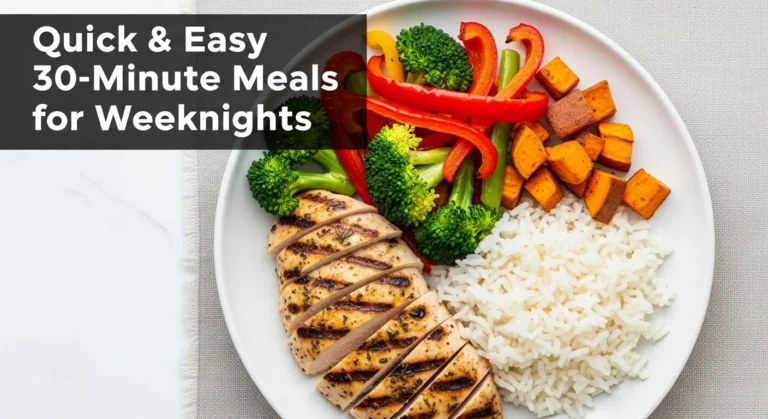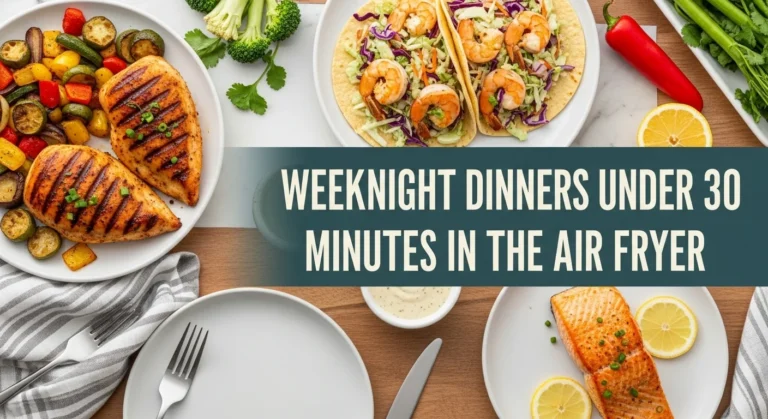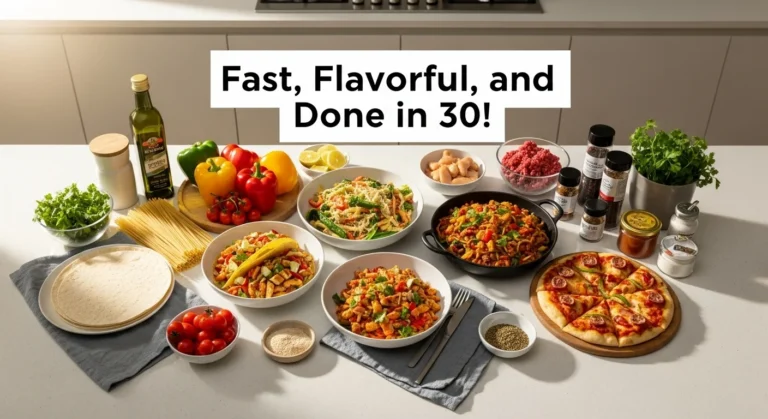
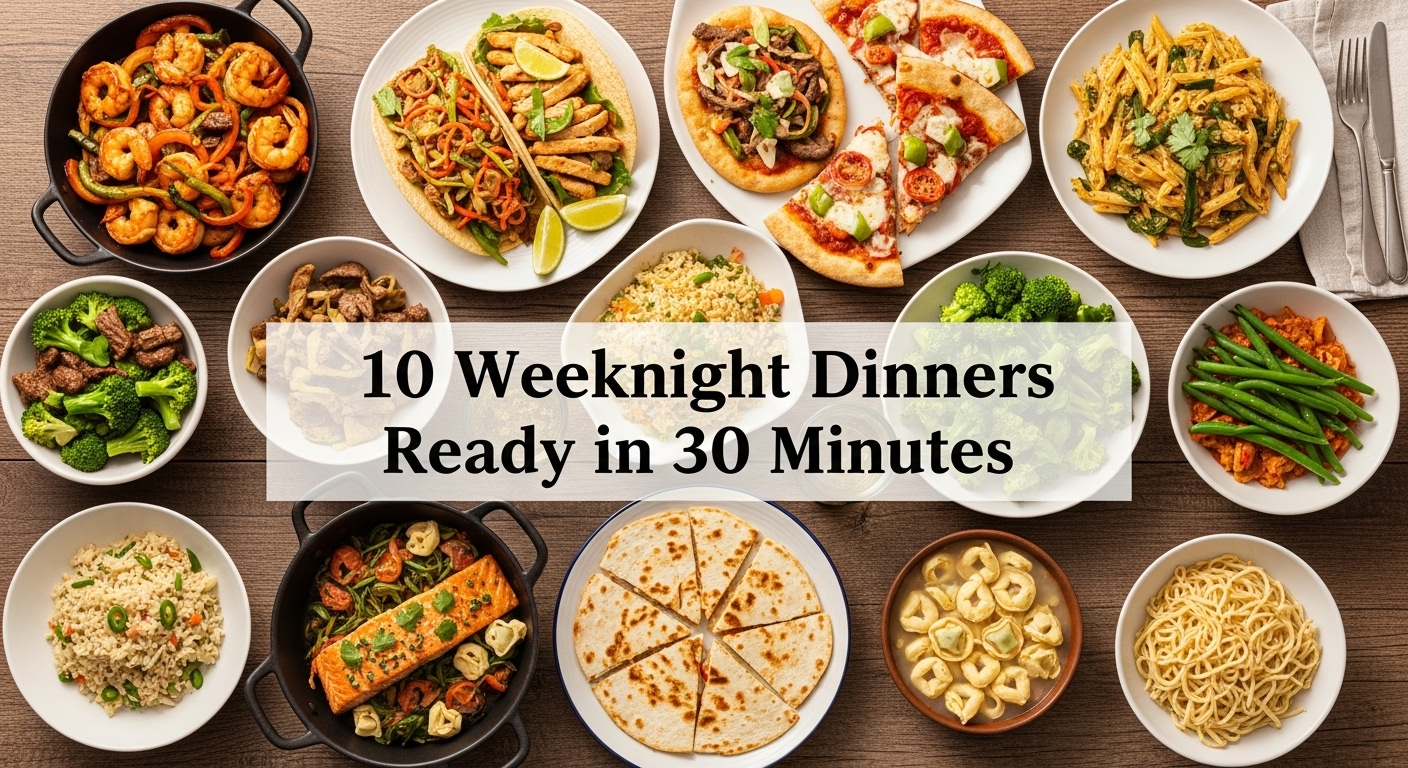
10 Weeknight Dinners Ready in 30 Minutes

Some evenings you have the time to cook, but not the energy to decide what to make. You open the fridge, look at a few ingredients, and wonder which dinner will actually be on the table in half an hour—not just in the pan in half an hour.
These 10 weeknight dinners ready in 30 minutes give you a way to choose. Start with what is already thawed or cooked, then pick a meal that fits your pan, your time, and the sides you can make alongside it. You’ll find simple methods, realistic shortcuts, and a quick decision card for nights when the original plan doesn’t work.
A useful rule: The times below are planning ranges for a modest household batch with ingredients ready to cook. They include simple preparation and serving, but they aren’t guaranteed test results. Thick meat, frozen proteins, several batches, or cooking dried rice from scratch can push dinner past 30 minutes. Check safe doneness rather than stopping because the clock ran out.
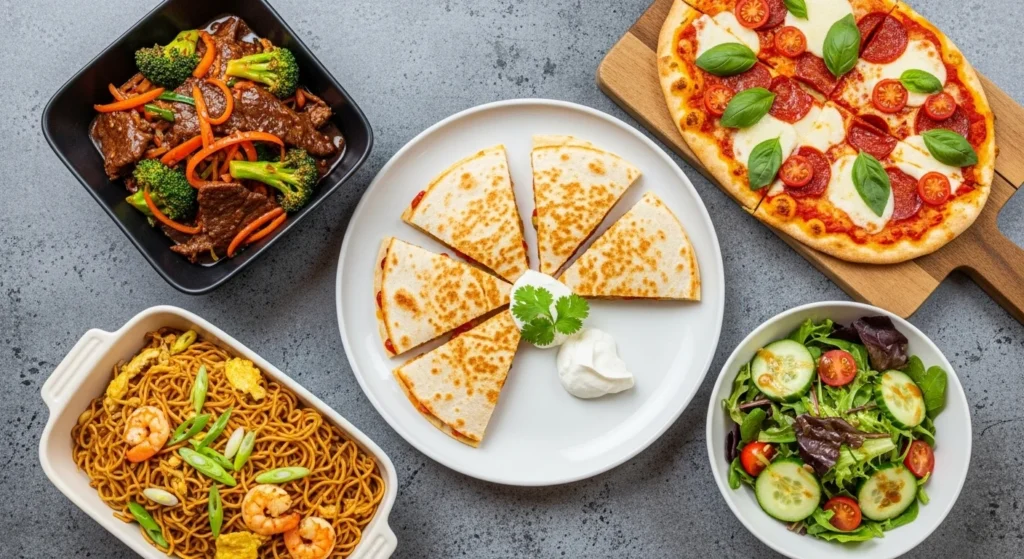
Which 30-Minute Dinner Should You Make Tonight?
Don’t choose by the shortest cook time. Choose by the ingredient that needs the most work. If the chicken is frozen and the shrimp is thawed, shrimp is usually the faster dinner. If you have canned beans and tortillas, quesadillas may win even when the fridge looks nearly empty.
| What you have ready | Choose tonight | Method and timing check |
|---|---|---|
| Peeled, thawed shrimp + vegetables | Shrimp stir-fry | Large skillet; around 15–25 min. Watch for: thawing shrimp; cooking rice from dry |
| Cooked chicken + tortillas | Chicken tacos | Skillet or microwave for filling; around 10–20 min. Watch for: starting with large raw chicken breasts |
| Quick-cook pasta + vegetables | Pasta primavera | Pot + skillet; around 20–30 min. Watch for: slow pasta or lots of chopping |
| Ready-made naan + cheese | Flatbread pizza | Oven or air fryer; around 15–25 min. Watch for: preheating and multiple batches |
| Thinly sliced beef + broccoli | Beef and broccoli | Large skillet; around 20–30 min. Watch for: thick beef or overcrowded pan |
| Cold, safely stored cooked rice + eggs | Vegetable fried rice | Large skillet or wok; around 15–20 min. Watch for: cooking fresh rice first |
| Average-size salmon fillets + quick vegetables | Salmon with vegetables | Sheet pan or air fryer; around 20–30 min. Watch for: thick fish or slower-roasting vegetables |
| Refrigerated tortellini + broth | Tortellini soup | Soup pot; around 15–25 min. Watch for: frozen tortellini with longer package time |
| Tortillas + cheese + canned beans | Quesadillas | Skillet or air fryer; around 10–15 min. Watch for: too many tortillas for one pan |
| Quick-cook noodles + eggs + vegetables | Egg fried noodles | Pot + skillet; around 15–20 min. Watch for: raw vegetables that need long cooking |
These are estimated kitchen planning windows, not measured results from a specific recipe test. The fastest choice is the meal that needs the fewest extra steps in your kitchen. For a five-day shopping plan instead of a tonight-only choice, use our five-day weeknight dinner plan.
10 Weeknight Dinners You Can Make in 30 Minutes or Less
You don’t need ten separate shopping lists or complicated cooking instructions. Each dinner below has a simple cooking path, the condition that makes the timing realistic, and a useful way to adapt it.
1. Shrimp Stir-Fry
Best when: You have peeled, thawed shrimp, a bag of stir-fry vegetables, and ready-to-heat rice or noodles.
Heat a large skillet with a little oil. Cook the vegetables until they are hot and any excess moisture has cooked away, then move them aside or transfer them to a plate. Add shrimp in a single layer and cook briefly, turning as needed. Return the vegetables and coat everything with soy sauce, garlic, or a prepared stir-fry sauce. Heat your ready rice while the skillet is working.
Time-saving choice: Buy peeled shrimp and pre-cut vegetables. If you need to thaw shrimp or cook dried rice from scratch, allow more time or choose quick noodles instead. Check: Shrimp should be pearly or white and opaque, not translucent. A crowded skillet will steam instead of sear.
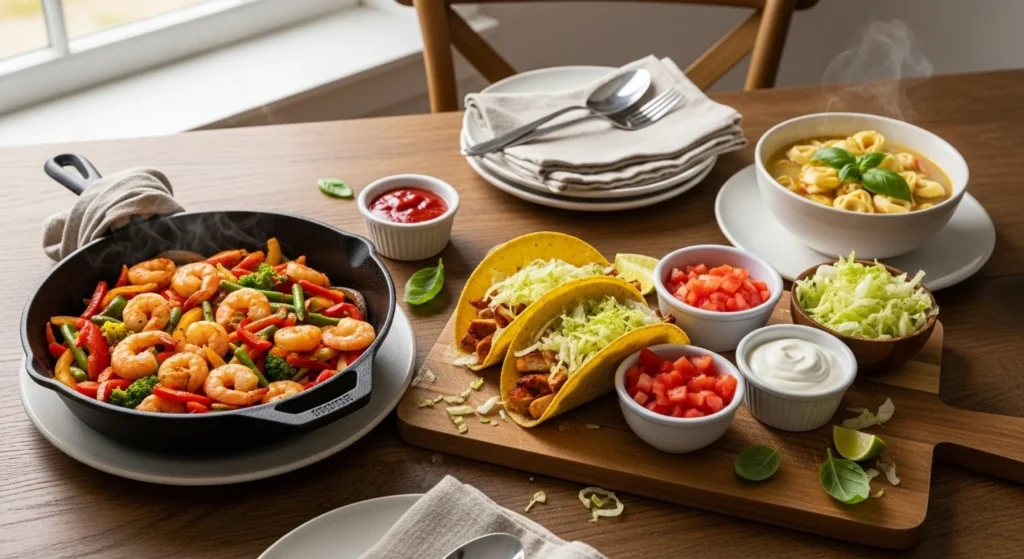
2. Chicken Tacos
Best when: You have cooked chicken already, or thin chicken strips that are thawed and ready for a skillet.
Warm cooked, shredded chicken with taco seasoning and a spoonful of water or salsa. Meanwhile, lay out tortillas, bagged slaw or shredded lettuce, cheese, and your favorite toppings. Let everyone build their own tacos. With raw chicken, slice it into evenly sized strips, cook until the thickest pieces reach 165°F, then assemble.
Time-saving choice: Cooked rotisserie chicken makes this an assembly-forward dinner. If you only have a large frozen chicken breast, switch to canned black beans instead of pretending it will be ready in ten minutes. Keep a separate board for raw chicken, and wash equipment before preparing ready-to-eat toppings.
3. Pasta Primavera
Best when: You have pasta, a quick vegetable mix, and Parmesan or another simple finishing ingredient.
Get salted water boiling first. While the pasta cooks, sauté thin zucchini pieces, sliced peppers, or halved cherry tomatoes with olive oil and garlic. Reserve a little pasta water, drain the pasta, and toss everything together until coated. Add Parmesan and lemon if you like. For a more filling vegetarian dinner, stir in drained canned white beans or chickpeas.
Time-saving choice: Pick pasta with a short package cooking time and use vegetables that soften quickly. A single pot of pasta and one skillet can finish together; chopping five different vegetables before starting the water usually cannot. A bag of washed spinach is an easy last-minute addition.
4. Flatbread Pizza
Best when: You have ready-made naan or flatbreads, pizza sauce, shredded cheese, and toppings that are already cooked or ready to eat.
Set the oven or air fryer to the temperature recommended for your flatbread or appliance. Spread a thin layer of sauce, add cheese and vegetables, and bake or air fry until the crust is crisp and the cheese is melted. Serve with bagged salad or sliced fruit rather than starting a second hot side.
Time-saving choice: Pre-made crust removes dough mixing and rising. If you want chicken on the pizza, use already cooked chicken; the short melting time will not safely cook raw poultry. In a small air fryer, several pizzas may require batches, so an oven tray can be faster for a family.
5. Beef and Broccoli
Best when: The beef is already cut into thin strips and the broccoli is ready to cook.
Mix soy sauce, a little water, garlic, and a small amount of cornstarch for a quick sauce. Sear thin strips of beef in a hot, roomy skillet in small batches if needed. Remove them, cook broccoli until crisp-tender, then bring everything together with the sauce and heat until it thickens. Serve over ready rice or quick noodles.
Time-saving choice: Thin cuts and prepared broccoli make the difference. If the pan is packed, the beef releases moisture rather than browning. Whole cuts of beef have different safe-doneness requirements from ground beef; refer to the safe internal-temperature chart and check the thickest portion as appropriate.
6. Vegetable Fried Rice
Best when: You have rice that was cooked earlier, cooled quickly, and refrigerated safely, plus eggs and frozen peas or carrots.
Heat a wide skillet, add the vegetables and cook until hot, then push them to one side. Scramble eggs until fully set. Add the cold rice, break up clumps, and stir-fry until everything is steaming hot. Season with soy sauce, a little sesame oil, or a favorite mild sauce.
Time-saving choice: Use safely stored cooked rice or a shelf-stable ready-rice packet made according to its directions. This is not the night to start dried rice if you only have 15 minutes. Never leave cooked rice sitting on the counter for hours to make it into tomorrow’s fried rice; cool and refrigerate promptly. Reheat leftovers thoroughly.
7. Salmon With Vegetables
Best when: You have thawed, average-thickness salmon fillets and vegetables that cook quickly, such as slender green beans or asparagus.
Pat the salmon dry, season it, and arrange it on a lined or lightly oiled tray with the vegetables, allowing room around the food. Roast according to fillet thickness or use the air fryer if the basket can hold everything without crowding. Start checking the fish before the vegetables get too soft; thin asparagus may need a later start.
Time-saving choice: Avoid pairing a quick salmon fillet with thick raw potato wedges that take much longer. Serve with bread, a prepared grain, or a simple salad. Fish should reach 145°F, or be opaque and separate easily with a fork. For an air-fryer-specific cooking plan, see our under-30-minute air fryer dinners.
8. Tortellini Soup
Best when: You have refrigerated cheese tortellini, broth, spinach, and a pantry seasoning.
Bring broth to a simmer with garlic, dried herbs, and optional canned tomatoes. Add refrigerated tortellini and cook for the time shown on the package. Stir in spinach near the end so it wilts instead of overcooking. Finish with black pepper, Parmesan, or a spoonful of pesto if you like.
Time-saving choice: Refrigerated tortellini is the shortcut; homemade pasta or dried beans change the schedule. If you use frozen tortellini, follow the package’s longer cooking guidance. Serve with store-bought bread rather than baking a side from scratch. If adding leftover chicken, heat it through thoroughly before serving.
9. Quesadillas
Best when: You have tortillas, cheese, canned beans, and a few chopped vegetables—or leftover cooked chicken.
Spread cheese and beans on half a tortilla, add a modest amount of vegetables, fold, and cook in a lightly oiled skillet until both sides are golden and the cheese melts. Make the next one while the first rests briefly, then serve with salsa and ready-to-eat salad greens.
Time-saving choice: Canned beans are already cooked, so there is no raw-protein timing problem. Avoid overfilling, which can leave the middle cold while the tortilla browns. Our air fryer quesadilla guide offers an alternative method when your skillet is busy.
10. Egg Fried Noodles
Best when: You have quick-cooking noodles, eggs, and vegetables that are already sliced or frozen.
Cook noodles according to the package and drain. While they cook, heat a skillet and soften thinly sliced vegetables. Scramble the eggs in the pan until set, then add noodles and a little soy sauce. Toss until everything is hot and evenly coated, and finish with sesame oil or a squeeze of lime.
Time-saving choice: Thin noodles and pre-cut vegetables keep the meal moving. If you want a protein other than eggs, add fully cooked chicken or tofu instead of dropping raw chicken pieces into an almost-finished noodle dish. If the pan is small, cook the eggs separately so everything heats evenly.
What Do You Need Ready Before Starting a 30-Minute Dinner?
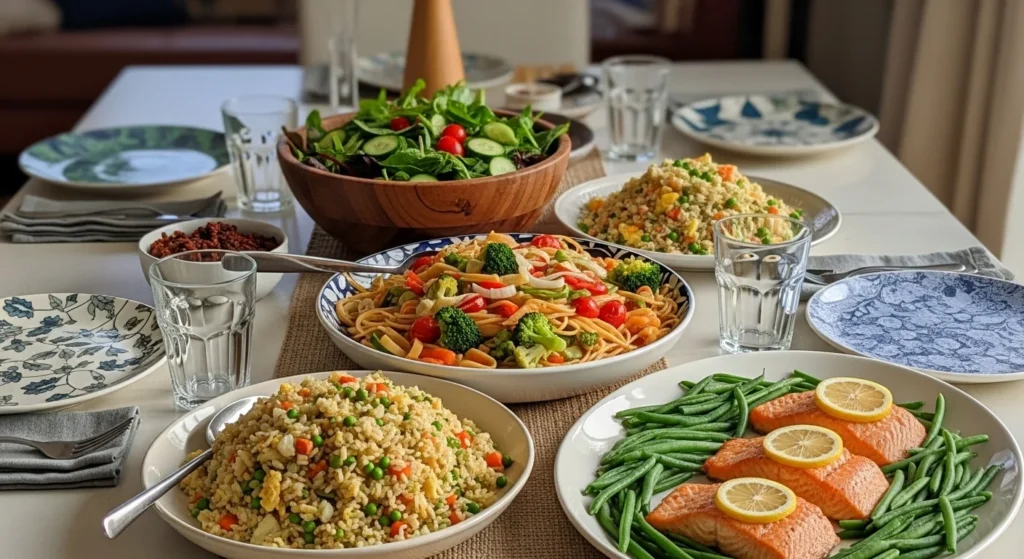
You need one ready-to-cook main ingredient, one fast side, and enough space to cook the food without several extra rounds. Before turning on a burner, check these details:
- Protein status: Is the meat or seafood thawed? Is the chicken already cooked? A frozen solid protein can change your choice of dinner.
- Vegetables: Are they washed, chopped, frozen in usable pieces, or still whole and untrimmed? The knife work counts toward the thirty minutes.
- The side: Is rice already safely cooked, in a ready-rice package, or still dry? Are you also planning to roast potatoes?
- Pan size: Can your skillet hold the meal in a workable layer? A small skillet may need two batches for four people.
- Equipment: Turn on an oven that needs preheating before assembling flatbreads. For an air fryer, follow the model’s preheat directions rather than assuming every machine works alike.
A quick dinner doesn’t require everything to be prepped days ahead. It requires picking the right dinner for what is ready tonight. For a more detailed start-to-finish timing workflow, use our realistic 30-minute dinner plan.
What If You Only Have 15 or 20 Minutes?
Choose an assembly-forward meal instead of rushing raw food. When the clock is especially tight, shorten the number of steps, not the safety checks.
| Time you actually have | Better starting choices | Skip for tonight unless already prepped |
|---|---|---|
| About 10–15 minutes | Bean-and-cheese quesadillas; cooked-chicken tacos; ready-rice vegetable bowl | Thick raw chicken; a whole tray of roasted vegetables |
| About 15–20 minutes | Egg fried noodles; fried rice from safely stored cooked rice; tortellini soup | Dried rice from scratch; frozen solid proteins |
| About 20–30 minutes | Shrimp stir-fry; quick pasta; beef and broccoli; salmon with a fast side | Large sheet-pan meals that need long preheating or more than one tray |
These are choices, not promises. If you hit minute 20 and the raw chicken is not yet 165°F, keep cooking it. Use a no-cook side, or switch to a different safely prepared main dish.
How Can You Adapt These Dinners for Two or Four People?
The same meal may take longer for four people even if the ingredient quantities are simply doubled. Pan surface area matters more than the number printed on a recipe.
For two people, a medium skillet often has room for shrimp, noodles, or vegetables without much crowding. For four people, choose a broad skillet, use two burners for separate tasks, or switch to oven cooking when several flatbreads need to fit at once. If doubling the protein forces multiple batches, the total time may grow even when each batch has the same cooking time.
Use the following quick rules:
- Double ingredients only when your pan can hold them: A crowded skillet steams beef and vegetables rather than browning them.
- Keep the seasoning flexible: Start with a moderate amount of sauce and adjust after mixing. Some ready sauces are salty.
- Choose easy sides for bigger groups: Bagged salad or ready rice can prevent an extra cooking stage.
- Consider picky eaters without cooking two dinners: Set aside a portion of plain chicken, pasta, or vegetables before adding a strong sauce, provided all food is fully cooked.
What Can You Substitute When You’re Missing an Ingredient?
One missing ingredient should not force you to start over. Match the substitute to the same cooking job—a ready protein for a ready protein, a fast-cooking vegetable for another fast vegetable, or a pantry starch for another pantry starch.
| Missing ingredient | Practical swap | What changes |
|---|---|---|
| Shrimp for stir-fry | Already cooked chicken, drained canned chickpeas, or tofu | Reheat cooked chicken fully; let tofu brown before sauce |
| Raw chicken for tacos | Drained canned black beans | No poultry prep or raw-meat handling |
| Fresh vegetables for pasta | Frozen peas or spinach | Add near the end; drain extra moisture if needed |
| Flatbread for pizza | English muffins or pita bread | Smaller portions; watch browning earlier |
| Beef for beef and broccoli | Tofu or fully cooked chicken | Different texture and heating needs |
| Cooked rice for fried rice | Ready-rice packet or fast noodles | Use packet instructions; don’t assume dried rice is ready |
| Tortellini for soup | Small quick-cook pasta plus canned beans | Follow pasta cooking time and adjust broth |
| Cheese for quesadillas | Seasoned mashed beans | Won’t melt the same way; avoid overstuffing |
Keep a food thermometer handy when swapping raw proteins. A substitution can change the safe internal temperature, not just the cooking time.
Why Does Your 30-Minute Dinner Sometimes Take Longer?
The usual reason is a hidden task—not that you cooked badly. Here’s what to check before trying the same meal again.
Prep took longer than expected. A recipe may call for diced onion, sliced meat, and washed vegetables without counting the full chopping time. Next time, choose pre-cut vegetables or prepare only the ingredients the dish really needs.
The side was actually a second recipe. A quick stir-fry isn’t a 20-minute dinner if the rice needs another 25 minutes. Start with ready rice, quick noodles, or bread.
The pan was too small. Overcrowding causes water to collect instead of evaporate. Cook in batches when necessary, and count the extra batch time honestly.
The food started frozen. A solid piece of raw meat cannot safely be handled like a thawed thin cut. Follow a tested frozen-food method, allow the time it needs, or use canned beans, eggs, or prepared protein instead.
The food browned before it cooked through. Lower the heat if needed and continue cooking to the safe target. Surface color alone doesn’t tell you whether poultry is ready. A thermometer is especially useful for chicken, beef, and fish.
Bonus Value — The Tonight’s Dinner Decision Card
This is the section to save or print for the next night when nobody wants to decide. It turns the ten dinner ideas into a short choice instead of another long list.
Step 1 — Check what’s ready: Mark one of these: cooked protein, thawed raw protein, eggs or canned beans, or no protein ready.
Step 2 — Check the clock: Choose 10–15 minutes, 15–20 minutes, or 20–30 minutes. Count preparation and the side, not just the burner time.
Step 3 — Match one dinner:
| Dinner | What you need and how to cook | Fastest reasonable backup |
|---|---|---|
| Shrimp stir-fry | Thawed shrimp, quick vegetables, sauce; skillet | Tofu or cooked-chicken stir-fry |
| Chicken tacos | Cooked chicken, tortillas, salsa; skillet + assembly | Black-bean tacos |
| Pasta primavera | Quick pasta, vegetables, olive oil; pot + skillet | Pasta with spinach and canned beans |
| Flatbread pizza | Flatbread, sauce, cheese; oven or air fryer | Pita pizzas |
| Beef and broccoli | Thin beef, broccoli, sauce; skillet | Tofu and broccoli |
| Vegetable fried rice | Cold safely stored rice, eggs, vegetables; skillet | Ready-rice vegetable bowl |
| Salmon with vegetables | Thawed salmon, green beans, seasoning; sheet pan or air fryer | Tortellini soup if fish isn’t thawed |
| Tortellini soup | Refrigerated tortellini, broth, spinach; pot | Quick pasta-and-bean soup |
| Quesadillas | Tortillas, beans, cheese; skillet | Bean-and-cheese wraps |
| Egg fried noodles | Quick noodles, eggs, vegetables; pot + skillet | Noodles with tofu and frozen vegetables |
Step 4 — Run the two-minute reality check: Do I have to thaw anything? Is the side already ready? Will the food fit in my pan? If the answer to any of those is no, use the backup in the last column. Dinner can still be a success without forcing the original plan.
One extra trick: If you want variety, switch the sauce or finishing flavor rather than shopping for a completely different meal: lemon and herbs for pasta, salsa for tacos, or ginger-soy for a stir-fry. Keep it mild until everyone has their portion if your household prefers different spice levels.
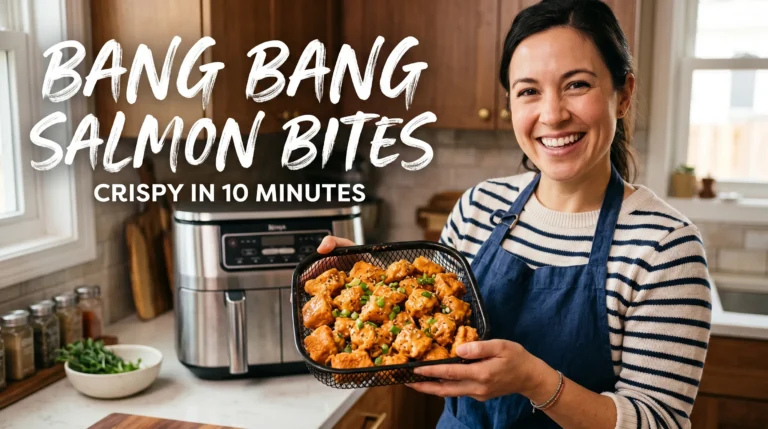
Bonus Full Recipe — Air Fryer Garlic Butter Chicken Bites
If you’d rather make one specific air fryer recipe than choose from the ten ideas, here’s a separate chicken-bites recipe card. It is an additional recipe, not one of the ten dinners above. The native card provides the measured ingredients and steps, so you don’t need a duplicate ingredient list here.
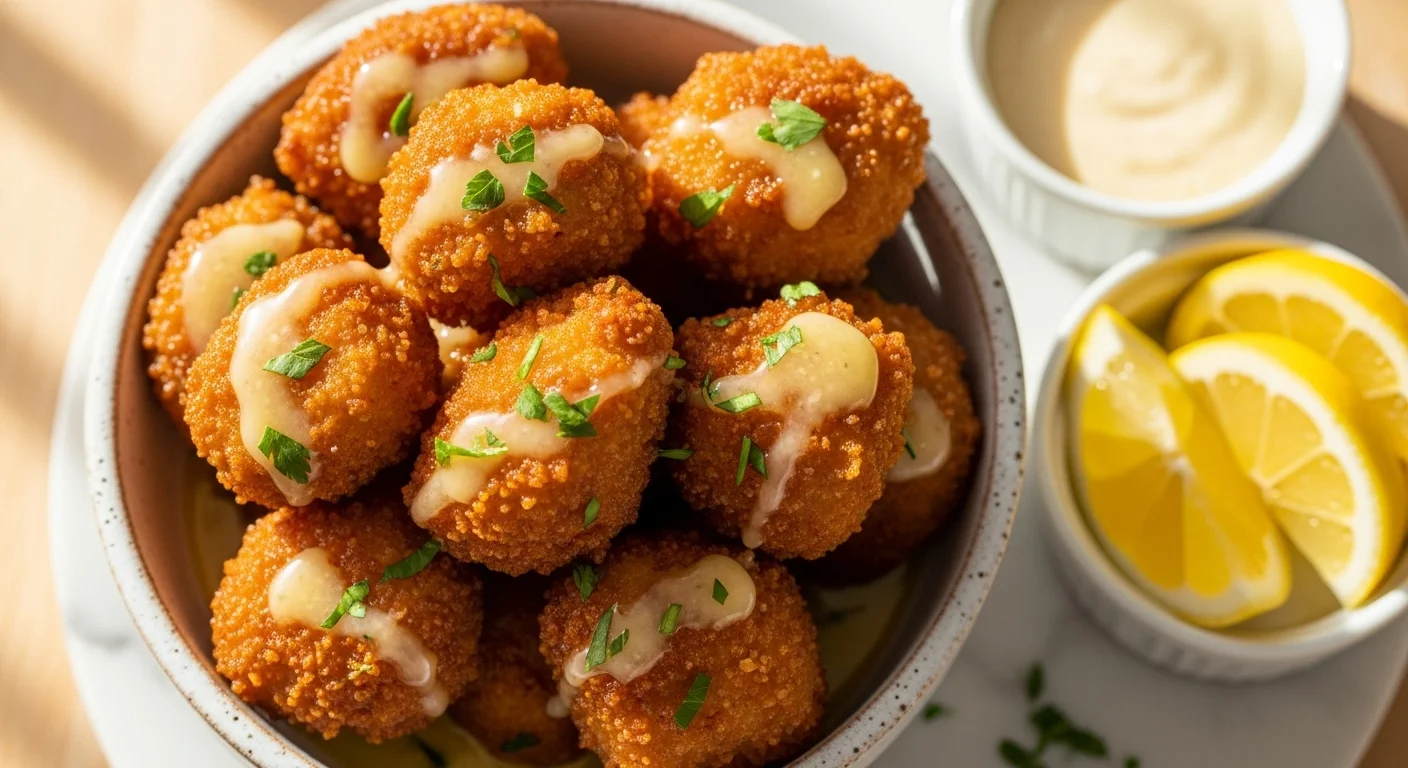
Air Fryer Garlic Butter Chicken Bites
Ingredients
Equipment
Method
- Preheat the air fryer to 400°F (200°C) for 3–4 minutes.
- Season the chicken. In a mixing bowl, toss the chicken pieces with olive oil, garlic powder, paprika, salt, and black pepper until evenly coated.
- Cook the chicken. Arrange chicken pieces in a single layer in the air fryer basket, leaving room for air to circulate; cook in batches if necessary. Air fry at 400°F (200°C) for about 8–10 minutes per batch to start, shaking halfway through. Check the thickest pieces with a food thermometer and continue cooking until they reach 165°F (74°C). Allow extra time for additional batches.
- Make the garlic butter. While the chicken cooks, melt butter in a small saucepan over medium heat. Add minced garlic and cook for 30 seconds until fragrant (don’t let it burn).
- Toss and serve. Transfer cooked chicken to a bowl, pour the warm garlic butter over top, and toss to coat. Garnish with parsley and a squeeze of lemon if you like.
- Enjoy! Serve hot with rice, veggies, or a side of fries.
Notes
- You can swap chicken breast for boneless thighs if you prefer juicier bites.
- Adjust cook time slightly based on your air fryer model—smaller pieces cook faster.
- Leftovers keep well in the fridge for up to 3 days. Reheat in the air fryer for 3 minutes to bring back the crisp.
Protein: 32g
Carbohydrates: 1g
Fat: 16g
Saturated Fat: 7g
Cholesterol: 110mg
Sodium: 420mg
Sugar: 0g
For the most reliable result, cut the chicken into similarly sized pieces, arrange them with space for airflow, and check the thickest pieces with a thermometer. All poultry must reach 165°F. If your basket cannot fit the chicken in one layer, plan for more than one batch. Pair it with bagged salad, ready-to-heat vegetables, or another simple side rather than assuming the card’s cooking time also includes a full dinner.
Frequently Asked Questions About 30-Minute Dinners
Does a 30-minute dinner include chopping and preheating?
It should when you’re deciding what to cook tonight. Some recipes report only oven or pan cooking time. For a realistic dinner, count ingredient preparation, preheating if needed, cooking, checking doneness, and serving.
Which of these meals are easiest to make vegetarian?
Bean-and-cheese quesadillas, pasta primavera with beans, tortellini soup made with suitable vegetarian broth, and egg fried noodles are straightforward options. Check packaged products and sauces if you follow a specific vegetarian diet.
Can a 30-minute dinner feed four people?
Yes, provided the pan or cooking surface is large enough and ingredients are ready. Four salmon portions or several flatbreads may require a larger tray or more than one air fryer batch. If you’re scaling up, budget for that extra cooking time.
Is using frozen vegetables cheating on a quick dinner?
Not at all. Frozen peas, broccoli, and stir-fry vegetables can save chopping time. Cook off excess moisture when stir-frying, and follow the package instructions when needed. Frozen raw meat, however, needs a different plan from frozen vegetables.
Can I use leftover cooked rice or chicken?
Yes, when it was handled safely. Refrigerate perishable foods promptly—within two hours, or one hour in temperatures above 90°F—and use refrigerated leftovers within about four days. Reheat leftovers to 165°F. If you’re unsure how the food was stored, choose a fresh option. See the food-storage guidance for safety reminders.
A good fast dinner isn’t the one with the shortest recipe headline. It’s the one that fits the ingredients you have, cooks safely in the space available, and gets everyone fed without an elaborate second meal. Choose one of the ten options, use the decision card when plans change, and leave the five-day planning to another evening.