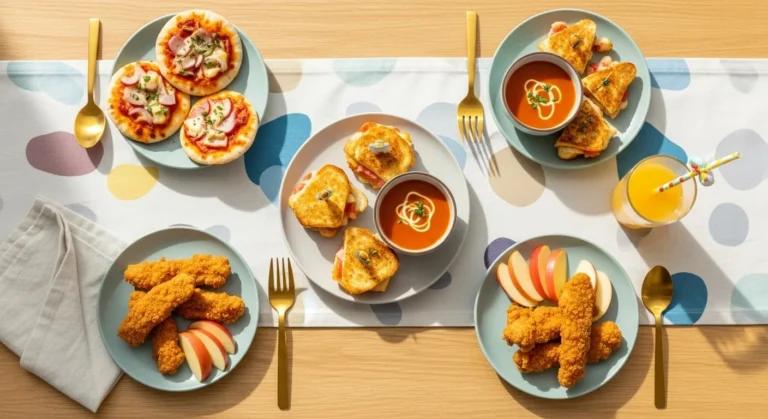
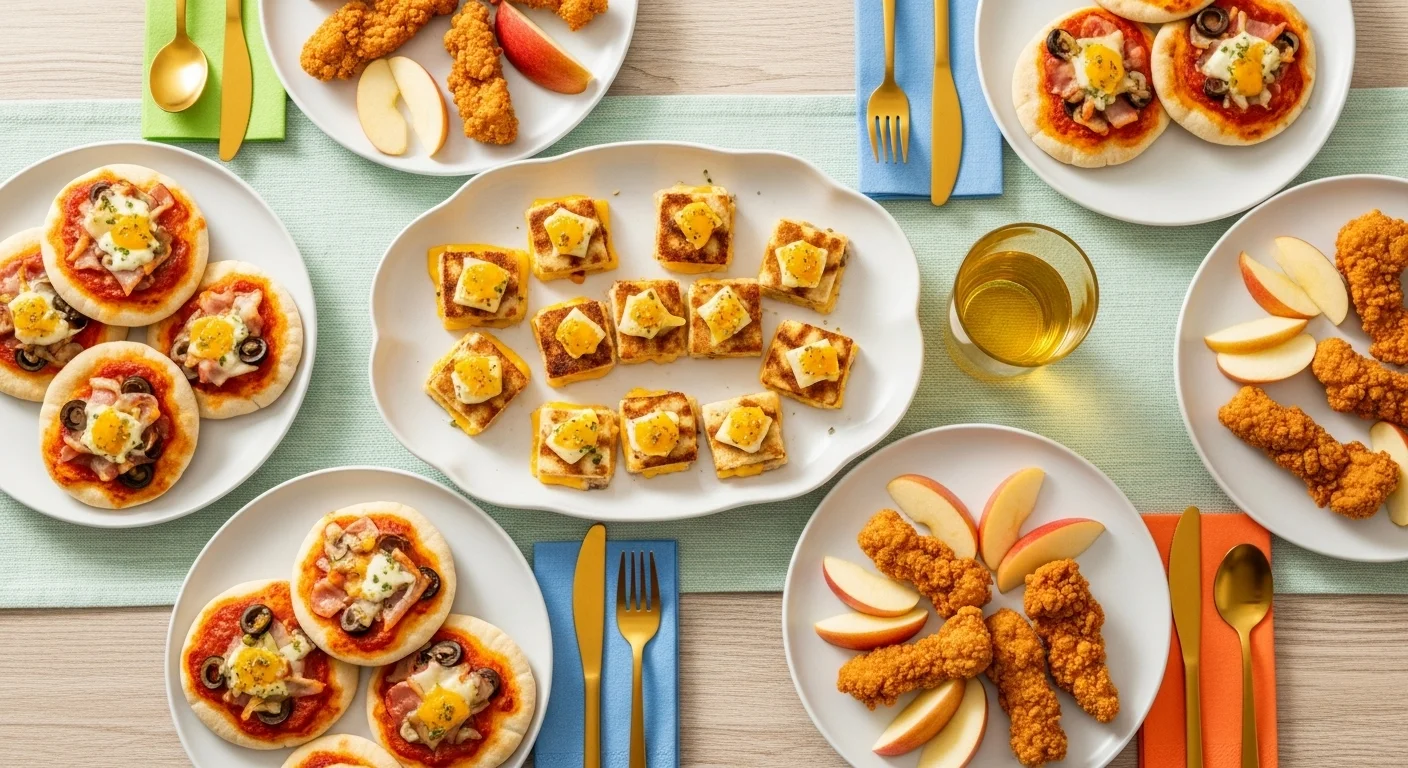
Easy Kid-Friendly Dinner Ideas for Busy Parents: 6 Quick Meals

You have twenty minutes before the evening routine starts, someone needs help with homework, and the chicken is still in the freezer. What can you put on the table without starting a complicated recipe? These easy kid-friendly dinner ideas for busy parents use familiar ingredients, short cooking sequences, and practical shortcuts for nights that don’t go to plan.
Start with the meal that matches what you already have: mini pizzas for ready-to-use bread, taco bowls for cooked rice and beans, or eggs and toast when the fridge looks nearly empty. Below are six dinners, a realistic time-and-attention comparison, and a Busy Parent Dinner Rescue Card you can use the next time the evening gets away from you.
A note about timing: The ranges are planning estimates for modest batches, not measured recipe-test results. Oven preheating, thawing, chopping, larger families, and cooking raw meat can extend the total. Safety and supervision matter more than finishing within 30 minutes.
How Do You Choose a Kid-Friendly Dinner When You’re Short on Time?
Choose the dinner with the fewest steps left to do, not necessarily the one with the shortest advertised cook time. A five-minute air fryer cycle isn’t a five-minute dinner if the chicken needs trimming, coating, and two batches. A bowl made with safely stored cooked rice and canned beans may be the faster choice tonight.
| Dinner | Planning window* | Active work | What needs to be ready | Main time risk |
|---|---|---|---|---|
| Mini pita pizzas | About 15–25 min | 5–10 min assembly | Pita, sauce, shredded cheese | Preheating; baking in batches |
| Air fryer chicken tenders | About 20–35 min | 10–15 min prep | Thawed thin tenders or a clearly labeled fully cooked product | Raw-chicken doneness; basket crowding |
| Eggs, toast, and fruit | About 10–20 min | 10–15 min | Eggs, bread, washed fruit | Cooking several servings; safely preparing fruit |
| Taco bowls | About 10–20 min with cooked ingredients | 5–10 min | Cooked rice, canned beans or precooked protein | Starting raw meat or dry rice |
| Butter-Parmesan pasta | About 15–25 min | 5–10 min | Quick-cooking pasta, butter, cheese | Boiling a large pot of water |
| Grilled cheese and tomato soup | About 15–25 min | 10–15 min | Bread, cheese, ready-to-heat soup | Multiple skillet batches |
*Planning windows assume ingredients are ready to use and enough appliance space for the household. Your actual times may differ. For raw chicken, cook to 165°F (74°C) using a food thermometer; for raw ground beef, cook to 160°F (71°C). See the safe-temperature chart.
Decision shortcut: If a meal needs thawing, cooking dried grains, or several batches, either plan for extra time or choose another row. You can also use our quick meals kids may enjoy when you want more menu ideas; this guide focuses on getting one dinner made during a busy evening.
Which Six Kid-Friendly Dinners Are Easiest on Busy Weeknights?
The six options below are flexible dinner methods rather than tested, measured recipes. Use age-appropriate portions and serve foods according to your child’s chewing skills, allergies, and preferences. If your household needs a medically restricted diet, check ingredient labels rather than treating optional swaps as allergy-safe.
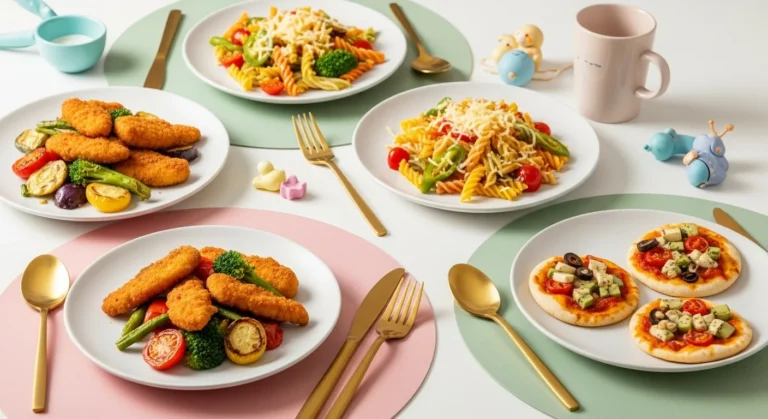
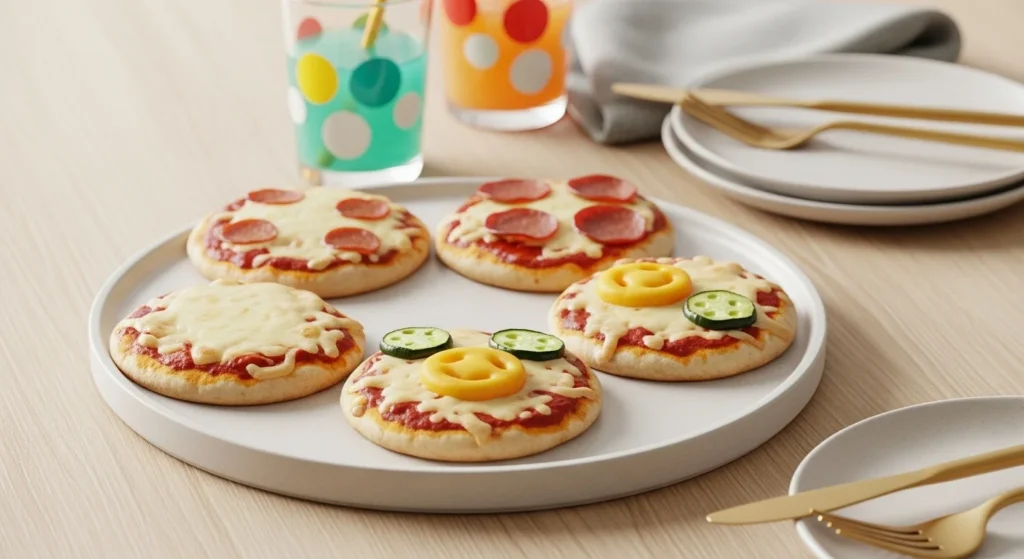
1. Mini Pita Pizzas With Simple Toppings
Choose this when: You have pita bread or small flatbreads, sauce, and shredded cheese, and you need a meal that can be assembled quickly.
What you need: Mini pitas, pizza or tomato sauce, shredded mozzarella, and optional pre-cooked toppings such as diced cooked chicken, soft cooked vegetables, or beans. Keep raw meat off the pizzas unless you have cooked it fully first.
How to make dinner:
- Heat the oven according to your pita-pizza method (around 400°F is a practical starting point for many flatbreads). Line a tray if that helps with cleanup.
- Put the pitas on the tray. Add a thin layer of sauce and cheese; let children choose from a small bowl of ready-to-eat toppings away from the hot oven.
- Bake until the cheese has melted and the pita is hot and lightly crisp, often about 6–10 minutes after the oven is heated. Use appearance and the bread package directions rather than relying on time alone.
- Let the pizzas cool enough to eat. Add cut fruit or an easy cooked vegetable on the side.
The useful shortcut: Assemble the pizzas before turning on the oven, then put toppings away while the tray bakes. This is low active work, not a reason to leave a hot oven unattended. A crowded tray or several batches can make the total longer than 25 minutes.
If a child wants something plain: Make one cheese-only pizza while the rest of the family adds toppings. You are still cooking from the same ingredient setup.
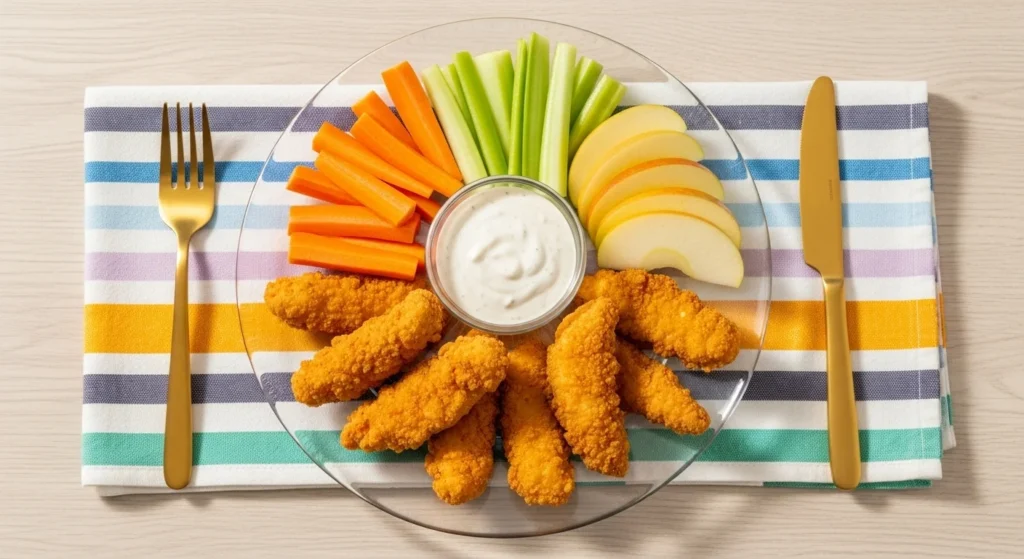
2. Air Fryer Chicken Tenders With Easy Sides
Choose this when: Chicken tenders are thawed, your air fryer can hold a single layer, and a ready-to-serve side is available. If the chicken is frozen solid and the clock is tight, a different dinner may be a better choice.
What you need: Thin raw chicken tenderloins, a little oil and familiar seasonings, or a clearly labeled fully cooked frozen chicken-tender product. Add a quick side such as microwaved frozen vegetables, soft fruit, or a warmed tortilla. Check packaged products to see whether they are raw or fully cooked; they are not interchangeable.
How to make dinner:
- For raw tenders, pat dry, lightly oil, and season. If you want a coating, use a thin layer of breadcrumbs and allow extra preparation time.
- Arrange the tenders without stacking. Use the air fryer temperature and cooking guidance appropriate for your cut and appliance; start checking before the estimated finish time.
- Measure the thickest part of each batch with a food thermometer. Raw poultry must reach 165°F (74°C), even if the coating already looks golden. Cook more batches if necessary.
- While the tenders cook, prepare a quick, age-appropriate side. Serve sauces separately if your child prefers a predictable texture.
Time reality: A small single layer may fit a roughly 20–30-minute dinner, but breading, preheating, and batches can push it past that window. For a more detailed raw-chicken technique, see our air fryer chicken tenderloin guide. If you use packaged frozen tenders, follow their own label and check whether they require thorough cooking rather than simple reheating.
Busy-parent adjustment: Do not work with raw poultry on the counter while helping a child handle ready-to-eat fruit. Clean hands, knives, cutting boards, and surfaces after raw chicken; avoid cross-contamination. Review the clean, separate, cook, and chill steps.
3. Breakfast-for-Dinner With Eggs, Toast, and Fruit
Choose this when: You need dinner now, with almost no advance preparation. Eggs and toast are a workable fallback without requiring a second entrée.
What you need: Eggs, sandwich bread, a little oil or butter, and fruit appropriate for your child’s age and chewing ability. Add yogurt or cheese if it suits your household and dietary requirements.
How to make dinner:
- Wash and prepare the fruit first so it won’t be rushed while the pan is hot. Cut or soften fruit in a developmentally appropriate way.
- Beat eggs in a bowl, then cook them in a lightly greased skillet over moderate heat, stirring until fully set, not runny.
- Toast bread in a toaster or dry skillet. Spread or cut it in a way that is manageable for the child eating it.
- Plate the eggs, toast, and fruit. Offer a small second serving if someone is still hungry.
Practical timing: A modest batch often fits a 10–20-minute planning window. Cooking a large number of eggs or preparing fruit carefully for very young children takes longer. For food safety, cook raw eggs until the whites and yolks are firm; an egg dish such as a casserole has a different temperature rule. See official temperature guidance.
For younger children: Avoid hard, raw apple chunks or whole grapes. Serve appropriately softened or cut foods and supervise eating; the choking-prevention guidance explains why shape and texture matter.
4. Easy Taco Bowls With Ready-to-Use Ingredients
Choose this when: You have cooked rice and a ready-to-use protein. This is the fastest way to get taco flavors without stopping to brown raw meat from scratch.
What you need: Safely stored cooked rice or a microwaveable rice pouch, canned beans, a little shredded cheese, and optional mild salsa, avocado, or soft cooked vegetables. You can use already cooked, refrigerated chicken if it was handled and stored safely. Avoid assuming last week’s leftovers are still good.
How to make dinner:
- Reheat the cooked rice according to its package or safe leftover-reheating instructions. Heat canned beans separately and drain if you prefer a less saucy bowl.
- If using refrigerated cooked chicken, reheat leftovers thoroughly to 165°F (74°C). If using raw meat, stop treating this as a ten-minute dinner; cook raw ground beef to 160°F (71°C) or raw ground poultry to 165°F (74°C).
- Set out bowls and add rice, beans, and the ready-to-eat additions. Keep salsa or stronger seasonings off the child’s portion unless wanted.
- Let family members choose their own toppings. For young children, modify whole beans and any firm or round pieces based on their eating skills.
The shortcut that makes it work: Using already cooked rice and beans can keep assembly near 10–20 minutes. Starting with dry rice, raw meat, or a sink full of ingredients changes the plan. For other mix-and-match family formats, see our one-meal, flexible-plates dinner guide.
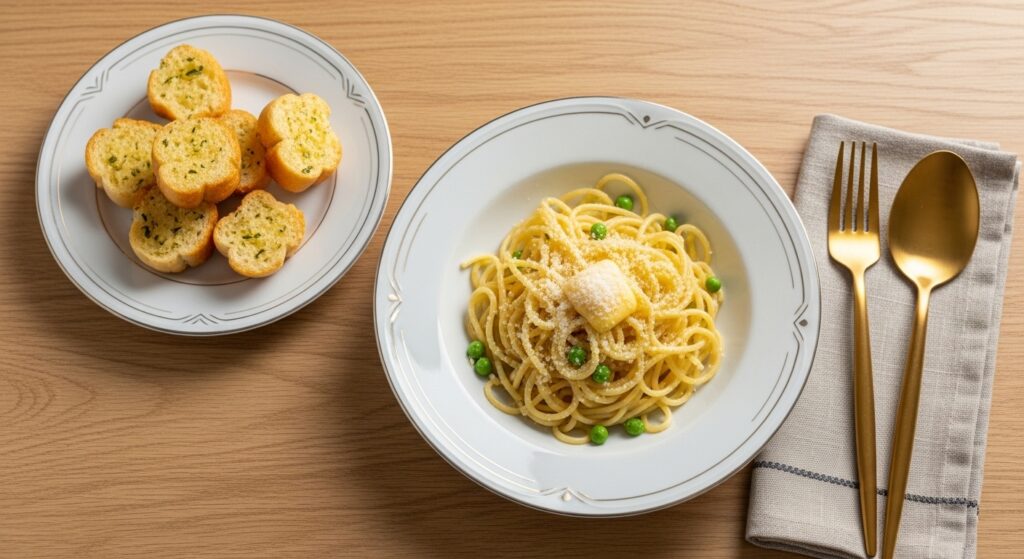
5. Pasta With Butter, Parmesan, and Optional Add-Ins
Choose this when: You have a short-cooking pasta and want a predictable meal with little hands-on work after the water boils.
What you need: A pasta shape your family enjoys, butter or olive oil, Parmesan, and an optional ready-to-eat protein or vegetable. Use soft cooked peas, broccoli, or shredded cooked chicken on the side rather than mixing everything into the pot.
How to make dinner:
- Start the water heating right away, then get the other ingredients and serving plates ready.
- Cook the pasta according to its package time. Reserve a little cooking water before draining, and keep young children away from boiling water and steam.
- Toss with a little butter or oil; loosen with reserved cooking water if needed. Add Parmesan only where wanted.
- Serve a vegetable, fruit, or safely reheated cooked protein as a simple side if available. Don’t add extra cooking projects just to make the plate look complete.
What may slow you down: A very large pot, long-cooking pasta, or several separate sauces. With quick-cooking pasta and an uncomplicated side, this is usually a 15–25-minute planning choice, not a guarantee.
The no-extra-meal adjustment: Keep a plain portion before adding sauces or seasonings for the family. If repeated food refusal is the main challenge, our familiar-food strategies for selective eaters cover that topic in more detail.
6. Grilled Cheese With Tomato Soup
Choose this when: You need a familiar warm dinner from bread, cheese, and a ready-to-heat soup. It’s especially useful when you don’t have a cooked protein ready.
What you need: Bread, sliced or shredded cheese, a small amount of butter or oil, and canned or prepared tomato soup. Check soup ingredients for allergens and sodium needs appropriate to your household.
How to make dinner:
- Start warming the soup according to its package instructions on a separate burner or in the microwave.
- Fill bread with cheese and lightly coat the outside with butter or oil.
- Cook in a skillet over medium-low heat, turning when golden, until the bread is toasted and the cheese is fully melted. Turn the heat down if the outside browns before the middle is warm.
- Serve soup in a small bowl or cup on the side. Allow both foods to cool to a safe eating temperature, especially for younger children.
Plan for 15–25 minutes if you’re making a few sandwiches. More sandwiches may mean multiple skillet rounds. If you cannot safely watch two burners, finish the soup first and then make the sandwiches; saving five minutes is not worth an unattended pan.
If the meal feels too heavy: Serve a smaller sandwich portion alongside soft fruit or cooked vegetables. You do not need to create a second main dish.
How Can You Cook Dinner When Your Kids Need Your Attention?
Choose a cooking method with fewer hands-on steps, then set up the kitchen so you can respond to interruptions safely. A hot pan, an open oven, and raw chicken do not become safe to leave unattended just because a recipe is called quick.
Before applying heat: Put all ingredients on the counter, measure what you need, move sharp knives away from the edge, and make sure younger children have a safe place outside the cooking area. Set out plates and easy sides before turning on the stove. Keeping a short, visible list of the next two actions can help if you are interrupted.
During cooking: If you need to leave the kitchen for an urgent interruption, turn off or safely pause the burner rather than leaving food on active heat. Keep pot handles turned inward, and keep children clear of hot appliances and steam. Use a timer as a reminder to check food, not as a substitute for supervision.
Which dinner tolerates a pause? Cold assembly is easier to pause than an open skillet. Pizza toppings can wait on the counter briefly while you handle a routine interruption, provided perishable ingredients are promptly returned to safe storage. Pasta can be drained after cooking; raw chicken needs your attention and a thermometer. Eggs and grilled cheese should be watched while in the pan.
If evenings are consistently interrupted, move the non-heating work earlier: wash fruit, portion cheese, set out dry ingredients, and identify your fallback meal. That saves cognitive effort as much as preparation time.
What Can You Prepare Earlier to Make Dinner Faster?
The easiest advance preparation is work you can complete without committing to a specific dinner. A washed produce container or a labeled cooked protein is useful for several meals; a tray of fully assembled pizzas isn’t always useful if plans change.
- Earlier in the day: Check whether proteins are thawed. If not, plan a pantry-based dinner rather than rushing unsafe thawing. Move frozen ingredients to the refrigerator for a future meal when appropriate.
- When unpacking groceries: Wash produce, portion snackable items, and put cheese, tortillas, and bread where they are easy to find. Keep allergen-containing ingredients separated when necessary.
- If cooking in advance: Cool and refrigerate cooked ingredients promptly in shallow containers. Keep the refrigerator at 40°F (4°C) or below and use properly stored cooked meat or poultry leftovers within 3–4 days. Check the cold-storage chart.
- Before the busiest hour: Decide which appliance you need, make sure the basket or pan is clean, and set out the serving dishes. You can also portion dry pasta or put unopened canned beans together with a rice pouch.
Don’t prep raw poultry next to cut fruit or salad ingredients. Keep separate utensils and sanitize food-contact surfaces after handling raw meat. If you don’t know how long a prepared food has been unrefrigerated, don’t count on reheating to make every handling mistake safe.
If you want a broader menu built around the same ingredients, our family dinner guide offers more ideas. A short prep routine is more repeatable than an elaborate weekend session. Try making tomorrow’s dinner easier with one task that takes five minutes, such as washing fruit or checking whether the chicken is thawed.
How Do You Make One Quick Dinner Work for Children of Different Ages?
You can serve the same general dinner to family members of different ages, but the food’s texture, shape, temperature, and portion size may need to change. This matters more than making every plate look identical.
For a younger child, prepare food to match their chewing and swallowing development: offer appropriate soft textures, cut or mash round foods, avoid hard raw carrot or apple chunks, and remove bones. Whole grapes, cherry tomatoes, large pieces of meat or cheese, and similar foods can pose choking risks. Supervise children while they are seated and eating. See CDC choking-hazard guidance.
For an older child, the same meal can have a larger serving or more toppings, depending on appetite and needs. Letting a child assemble a cool rice bowl is different from asking them to handle a sharp knife or hot tray. Assign only kitchen tasks that fit their age and skills, with adult supervision.
Examples using the six dinners: A small child might receive a softened, appropriately cut portion of pizza without tough edges, while an older child has a slice. Taco components can be plated separately rather than handed over as a large, overloaded wrap. Allow hot soup and melted cheese to cool before serving.
For babies who are just starting solids or children with known swallowing difficulties, use individualized guidance from their clinician. These are general family meal ideas, not a feeding plan for infants or children with medical needs. Check allergies carefully and avoid cross-contact when required.
What Should You Cook When You Forgot to Plan Dinner?
Don’t start by searching for an entirely new recipe. Check the ready-to-eat or quick-cook foods already available, then choose the combination that needs the least chopping and no lengthy thawing.
| If you have… | Make… | Check before starting |
|---|---|---|
| Eggs + bread + fruit | Eggs, toast, and fruit | Fruit must be prepared safely for your child’s age |
| Pita + cheese + tomato sauce | Mini pita pizzas | Time for preheating and a safe way to handle the hot tray |
| Rice pouch + canned beans | Taco bowls | Check pouch directions and whether toppings are ready |
| Quick pasta + butter + cheese | Simple Parmesan pasta | Time needed to bring water to a boil |
| Bread + cheese + soup | Grilled cheese and soup | Enough skillet capacity; safe soup temperature |
| Already cooked, safely stored chicken + tortillas | Chicken quesadillas | Proper storage and reheating of leftovers |
If chicken is frozen and you don’t have a safe plan to thaw and cook it, use beans or eggs tonight and save the chicken for another day. If a rice pouch is missing, put the taco ingredients in tortillas instead. The goal is dinner with fewer decisions, not the perfect version of the original menu. If a simpler air-fryer ingredient list would help on another night, browse our five-ingredient air fryer dinners.
For an air fryer variation using cooked ingredients, our air fryer quesadilla instructions can be a useful starting point; check the specific ingredient and appliance guidance before cooking.
How Can You Add Variety Without Making Extra Meals?
Variety can be a small choice within a shared dinner, not six new ingredients or a second pan. Make a familiar base first, then put optional toppings or sides on the table so each person can take what suits them.
For instance, use the same pita pizzas with cheese on some and cooked vegetables on others. Set out beans, soft vegetables, and mild salsa beside the taco bowls. Serve Parmesan and sauce separately from plain pasta. These changes don’t guarantee that a child will accept a new food, and they shouldn’t become a negotiation about bites.
A useful rule is one familiar base + one optional extra. If a child prefers plain food, keep some plain. If several family members have different preferences, plan around a common base rather than making separate entrees. For a fuller approach to that problem, see our family dinner ideas for different tastes.
Bonus Value: The Busy Parent Dinner Rescue Card
Save this card or copy it into your notes for evenings when the dinner plan falls apart. It is a decision tool, not a claim that every meal can be cooked in the same amount of time.
| Your situation right now | Pick this dinner | Do this first | Watch for |
|---|---|---|---|
| Fifteen minutes, no meat thawed | Eggs, toast, and fruit | Wash and prepare fruit safely | Eggs need to be fully cooked |
| Kids need your attention | Mini pita pizzas | Assemble before preheating | Never leave a hot oven unattended |
| Cooked rice and canned beans available | Taco bowls | Start safe reheating | Confirm leftovers are still safe |
| Few groceries, but pasta in the pantry | Butter-Parmesan pasta | Put water on to boil | Large pots can take longer |
| Bread, cheese, and soup available | Grilled cheese and soup | Warm soup while setting up sandwiches | Don’t juggle unattended burners |
| Raw chicken needs several batches | Pick a fallback tonight | Check cooked ingredients instead | Safe doneness matters more than speed |
| Different ages or eating abilities | One base, adjusted servings | Check shapes and textures | Choking and allergy precautions |
The 60-second dinner check:
- What’s already ready? Check cooked grains, canned beans, bread, eggs, and safely stored proteins. Don’t treat raw or frozen food as ready to eat.
- What needs active attention? Count pans, chopping, baskets, and hot appliances. If childcare may interrupt you, choose fewer active steps.
- What is the safety check? For raw meat or leftovers, plan to verify safe doneness or reheating; for small children, prepare safe shapes and textures.
- What’s the backup? If the planned dinner needs more than 30 minutes, switch to eggs and toast, pantry pasta, or ready-ingredient taco bowls.
A small ready-to-use kitchen checklist:
- ☐ Eggs or another easy protein
- ☐ Bread, pitas, tortillas, rice pouches, or quick pasta
- ☐ Canned beans or another shelf-stable option
- ☐ A frozen or fresh vegetable your family uses
- ☐ Washed fruit suitable for your child’s age
- ☐ Working food thermometer for meat and reheated leftovers
- ☐ A clean pan or air fryer basket
You don’t need to stock all these items. Pick two fallback meal combinations that match your family’s actual preferences and keep those ingredients on hand.
Frequently Asked Questions About Quick Kid-Friendly Dinners
What can I make for kids when I only have 15 minutes?
Choose eggs and toast, quick pasta, or a taco bowl made with ready-to-use rice and beans. Fifteen minutes is realistic only when ingredients are available and you don’t need to thaw meat or run several cooking batches.
Which kid-friendly dinners need the least preparation?
Eggs and toast, mini pita pizzas with ready toppings, and rice-and-bean bowls require relatively little chopping. Choose by active prep work, not by the cooking time printed on a recipe.
Can I make a quick dinner without an air fryer?
Yes. Use a skillet for eggs and grilled cheese, a pot for pasta or soup, and an oven for pita pizzas. An air fryer is one option, not a requirement for these six dinner ideas.
How can I prepare dinner while looking after younger children?
Do cold assembly and chopping before turning on the heat, keep children away from hot equipment, and choose meals with fewer active steps. Never leave a lit stove or hot appliance unattended to respond to an interruption.
What should I keep in the kitchen for last-minute dinners?
Choose a few staples you reliably use, such as eggs, pasta, tortillas, canned beans, cheese, and ready-to-heat rice. Pair those with age-appropriate fruit or vegetables and check storage dates before using leftovers.
A quick family dinner doesn’t need a separate menu for every person. Use one of these six familiar formats, choose the amount of active work you can safely manage, and keep a backup meal for the evenings when your original plan doesn’t fit. That’s how easy kid-friendly dinner ideas for busy parents become useful on an ordinary Tuesday, not just on a perfectly planned night.