Kid-Friendly Meals Made Easy: 5 Cooking Methods That Work

It’s almost dinnertime. You have chicken in the fridge, a bag of frozen vegetables, and a little rice, but you’re tired of choosing between a complicated recipe and another round of plain sandwiches. Kid-friendly meals made easy start with a simpler question: Which cooking method works with the ingredients, time, and equipment you have tonight?
There are five reliable dinner formats to choose from: a sheet pan, a pot of pasta, a build-your-own meal, a make-ahead soup, or an air fryer. You don’t need five separate shopping trips or a new set of recipes every week. We’ll use those methods to turn familiar ingredients into practical family dinners, with clear tradeoffs so you know when to pick something else.
How Do You Choose the Easiest Kid-Friendly Dinner for Tonight?
Choose the method before you choose the recipe. First check whether your protein is raw or already cooked. Then look at the equipment you can use, how many people you’re feeding, and how much attention the stove or oven will require.
| What your evening looks like | Best starting method | Why it helps | Watch out for |
|---|---|---|---|
| You have raw chicken and quick-cooking vegetables | Sheet-pan dinner | One oven tray handles a main and vegetables | Preheating, cutting, and safe chicken doneness take time |
| You have pasta, sauce, and frozen peas | Pasta dinner | The pasta water does most of the work | Some sauces and add-ins need separate heating |
| Everyone wants different toppings | Build-your-own meal | Shared base, flexible plates | Start with cooked rice, beans, and proteins |
| You cooked extra beans or vegetables earlier | Soup or one-pot dinner | Reuses refrigerated ingredients in a different format | Dry beans and raw stew meat aren’t quick shortcuts |
| You’re cooking for one or two, or have a compact main | Air fryer dinner | Useful for smaller portions and crisp finishes | A crowded basket means extra batches |
If you want a menu of individual dishes rather than cooking methods, our ten quick meals for kids offers ingredient-led choices. Here, the goal is to pick a repeatable way to cook so you can swap ingredients without learning a completely new dinner every night.
The timing examples below are planning ranges, not tested guarantees. Your oven or air fryer may preheat differently, and thick pieces or multiple batches can add time. Check safe doneness instead of relying on a clock alone.
Which Five Cooking Methods Make Kid-Friendly Dinners Easier?
Sheet-Pan Dinners for Cooking Everything Together
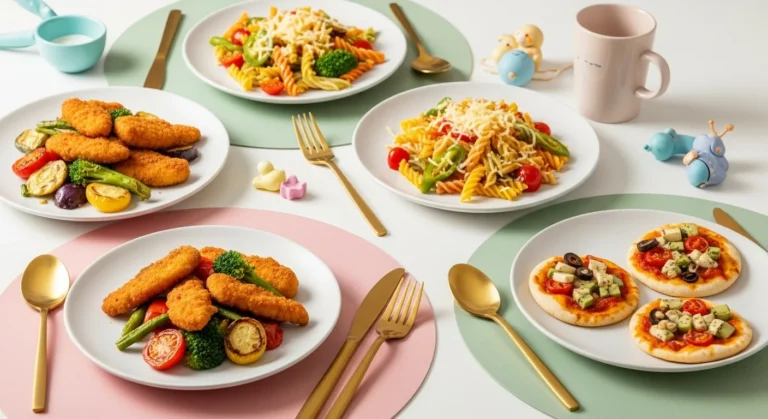
Example: chicken tenderloins with zucchini and bell peppers. This method is useful when the oven is free and you want chicken and vegetables cooking side by side. It is less useful if the chicken is still frozen solid or you’re relying on dense potatoes that need a longer roasting time.
What you’ll need: Raw, thawed chicken tenderloins, zucchini, bell pepper, a little oil, and seasonings your family uses. Add ready-to-serve bread or already-cooked grains if you want a starch without another cooking task.
- Heat your oven to 425°F. While it preheats, slice the zucchini and peppers into pieces that will roast reasonably quickly. Keep raw chicken and ready-to-eat foods separated on clean cutting boards.
- Toss the vegetables with a little oil. Season the chicken separately, then spread the pieces on a tray in a single layer with room between them. Use separate utensils for raw chicken.
- Roast, checking the vegetables and the thickest chicken pieces as they cook. About 18–25 minutes in the oven is an illustration, not a guaranteed cooking time. Size, oven, and tray crowding affect the result.
- Remove vegetables when tender. Use a food thermometer to confirm that all chicken has reached 165°F (74°C) before serving, using the official safe-temperature chart as the reference. If it needs longer, let the chicken continue cooking rather than waiting for the vegetables to become overdone.
Why it works: One oven session can prepare the protein and vegetables without constant stirring. What usually goes wrong: The tray is too crowded, the chicken pieces are very different sizes, or hard vegetables take longer than the protein. Cut ingredients deliberately and remove finished components separately.
Make it flexible: Keep the chicken and vegetables separate on the plate if that makes serving easier. Change the seasoning or add a dip at the table rather than preparing a second entrée.
Pasta Dinners With Simple Add-Ins
Example: tomato pasta with peas and Parmesan. Use this when you have dry pasta and a jar or can of tomato sauce. It is also a dependable option when nobody wants to wait for an oven to preheat.
What you’ll need: Your usual pasta, tomato sauce, frozen peas, grated Parmesan if desired, and optional fully cooked chicken or canned beans for additional protein. This is a flexible method, not a measured recipe card.
- Start a pot of water, following the pasta package’s timing and directions.
- During the last few minutes of cooking, heat the tomato sauce in a separate small pan, or follow the sauce’s heating instructions. Stir peas into the hot sauce and cook until heated through.
- Drain the pasta, saving a splash of pasta water. Toss with the hot sauce, adding a little reserved water if it is too thick.
- Finish with cheese if appropriate for your family. Offer sauce on the side for anyone who prefers plain pasta. Reheat previously cooked chicken or other leftovers to 165°F (74°C) before adding them.
Why it works: You can use one familiar base with several different add-ins. What usually goes wrong: Pasta sits in the strainer while everyone chooses toppings, or frozen vegetables cool the dish because they weren’t fully heated. Decide on toppings while the water is boiling, not after the pasta is ready.
Switch it next week: Replace tomato sauce with a simple cheese sauce, or use a different pasta shape and vegetable. Keep the cooking method the same so shopping remains simple. If a child prefers sauces served separately, that’s a serving decision, not another recipe.
Build-Your-Own Taco, Rice Bowl, and Pizza Meals
Example: rice bowls with beans, chicken, and optional toppings. This is the easiest method when family members want different combinations but you don’t want to cook different main dishes. It works best when rice and any meat toppings are already cooked.
What you’ll need: Cooked rice, canned beans (drained), already-cooked chicken or another ready-to-use protein, mild vegetables, grated cheese if desired, and a sauce or salsa on the side.
- Check that the cooked rice and protein were refrigerated promptly and are still within their safe storage window. Don’t use leftovers of uncertain age.
- Heat cooked rice, beans, and cooked chicken separately until hot throughout. Reheat leftovers to 165°F (74°C); use a thermometer where practical.
- Place the hot components in bowls and set out age-appropriate toppings. Let everyone assemble a bowl with the ingredients they want.
- Pack any unused perishable ingredients away promptly instead of leaving the topping station out all evening.
Why it works: One cooked base can become several plates without several pans. What usually goes wrong: The cook starts raw ground meat, uncooked rice, and six toppings and calls the meal “15 minutes.” That isn’t a quick assembly meal anymore. If the rice is uncooked, follow its package directions and allow the added time.
You can use the same assembly idea with mini pita pizzas on a baking tray or small tortilla quesadillas. For an air fryer variation, see our crispy air fryer quesadilla guide. When household preferences differ, the one-meal, flexible-plates approach offers a fuller strategy.

Make-Ahead Soups and One-Pot Meals
Example: quick lentil and vegetable soup using canned lentils. This is a smart use of vegetables, cooked legumes, and broth already on hand. It is not a 20-minute dinner if you start with dried beans that need soaking or raw stew meat that requires slow cooking.
What you’ll need: Canned lentils or beans, broth, frozen or pre-chopped vegetables, a little olive oil, and mild seasoning. Optional pre-cooked rice or pasta can turn the soup into a more substantial meal.
- Warm a little oil in a saucepan and soften any fresh chopped vegetables you want to use. If you’re using only frozen quick-cooking vegetables, you can often skip lengthy sautéing.
- Add broth and drained canned lentils. Simmer until the vegetables are tender and the soup is thoroughly hot. Adjust the consistency with more broth as needed.
- Stir in already-cooked rice or pasta if desired. If using refrigerated cooked leftovers, reheat the soup and additions to 165°F (74°C).
- Cool any extra soup promptly in shallow containers and refrigerate it within the safe time window.
Why it works: A small set of vegetables and beans can become soup even when it doesn’t look like enough for a tray dinner. What usually goes wrong: The plan depends on a slow-cooker stew that won’t be ready until tomorrow. Save those longer-cooking soups for a prep-ahead day and use canned beans for the quick version.
Serve with toast, a small sandwich, or a side of fruit if appropriate. For children who dislike mixed foods, offer the cooked components separately while keeping the same ingredients in the household meal.
Air Fryer Dinners With Quick-Cooking Proteins
Example: frozen fish sticks or other packaged fish portions, plus a ready-to-eat side. Choose this method when your air fryer basket can hold the amount you need without stacking pieces. It is a less efficient choice when feeding a large family in a tiny basket.
What you’ll need: Fish sticks or similar frozen seafood product, plus a side such as prepared rice, bread, or vegetables. Check the packaging: not all frozen breaded products are fully cooked.
- Check the product label for raw versus fully cooked and follow its specific time, temperature, and preheating directions. Do not assume “frozen” means ready to eat.
- Arrange the pieces in a single layer, with air able to circulate. Cook in batches if needed; calculate those extra batches when deciding whether this is really the fastest dinner.
- For raw fish, use a food thermometer to confirm 145°F (63°C) or follow the official cooked-fish guidance. Reheated leftovers require 165°F (74°C); follow label directions when they specify a different safe preparation procedure for a commercially prepared item.
- Serve with a quick side rather than starting another raw protein while the fish cooks.
Why it works: The air fryer is convenient for smaller crisp foods that might become soft in a crowded pan. What usually goes wrong: Pieces overlap and cook unevenly, or the family needs three basket loads. In that case, a sheet-pan oven dinner might be easier.
If you’re preparing raw chicken instead, follow the relevant air fryer chicken tenderloins instructions and verify 165°F (74°C) in the thickest piece. You can also use thawed tofu cubes or another suitable protein, adjusting the method to the food rather than copying a fish or chicken temperature.
How Can You Use One Ingredient in Several Different Meals?
You don’t need a new ingredient list for every night. Choose two or three items that overlap across methods, then change what you do with them. The payoff is a short grocery list that can support several different cooking methods.
| Ingredient you already bought | First use | Second use | Important distinction |
|---|---|---|---|
| Bell peppers and zucchini | Sheet-pan vegetables | Soup or rice bowl topping | Cook or cut to the texture appropriate for the eater |
| Cooked chicken | Sheet-pan main | Build-your-own rice bowls | Refrigerate promptly and reheat safely; don’t keep indefinitely |
| Canned beans or lentils | Rice bowls | Quick lentil soup | Drain and heat; don’t assume dry beans cook as quickly |
| Pasta | Tomato pasta | Small addition to soup | Add cooked pasta close to serving so it doesn’t turn mushy |
| Frozen vegetables | Pasta add-in | Soup or air fryer side | Package directions and different cooking methods still matter |
A sensible sequence is to cook enough chicken for dinner and perhaps one extra meal, refrigerate it safely, then use that cooked portion in bowls before the storage window ends. Don’t build a weeklong plan that assumes cooked chicken will still be safe on day seven.
For a smaller shopping list, our five-ingredient air fryer dinners gives other ways to limit ingredients without turning every night into the same meal.
Which Cooking Method Works Best When You Have Only 30 Minutes?
Think in total elapsed time, including ingredient preparation, preheating, cooking, any second batches, and serving. “Hands-off” and “fast” don’t always mean the same thing.
- 10–15 minutes available: Choose a build-your-own bowl with already-cooked rice and proteins, or a simple pasta variation only if your water and sauce heat quickly. Do not start raw chicken and assume it will fit.
- 15–25 minutes available: Pasta and a quick canned-bean soup can work when ingredients are ready. Frozen fish sticks may also work if the label’s cook time, preheating, and basket capacity fit.
- 25–40 minutes available: Sheet-pan chicken and vegetables are more realistic once you include chopping, oven preheating, and safe doneness checks. Thick chicken, dense vegetables, or two trays can take longer.
If you’re juggling children, start by asking which parts need your attention. A pot at a rolling boil or food actively frying still needs an adult’s supervision. Preheating and oven time are not an opportunity to leave cooking unattended.
When an evening keeps getting interrupted, the busy-parent dinner rescue card helps match dinner to the attention you can actually spare.
How Can You Prepare Ingredients Ahead Without Compromising Food Safety?
Small preparation tasks make a bigger difference than elaborate Sunday meal prep. Wash and dry vegetables, portion shelf-stable ingredients, and decide what will become tomorrow’s meal before the refrigerator is full of mystery containers.
- Wash and chop produce safely. Refrigerate cut produce promptly. Keep it separate from raw poultry or raw meat and use clean utensils.
- Prepare proteins deliberately. Cook extra chicken only if you have a specific near-term plan for it. Refrigerate cooked food promptly in shallow containers; label the date.
- Use realistic refrigerator limits. As a general guide, cooked meat or poultry leftovers and soups or stews last 3–4 days in a refrigerator at 40°F (4°C) or below. Check the relevant cold-storage guidance and product instructions.
- Reheat completely. Leftovers should reach 165°F (74°C). Keep raw and cooked items separate to prevent cross-contamination, as explained in these food-safety steps.
- Freeze meals you won’t use soon. If Friday is too late for Monday’s cooked chicken, freeze it promptly instead of stretching the fridge timetable.
A separate reminder: perishable food should generally be refrigerated within two hours of preparation, or one hour when temperatures are above 90°F (32°C). Don’t leave cooked rice, chicken, or soup sitting out for an evening-long assembly bar.
How Can Children Help Prepare Dinner Safely?
A small job can make dinner feel like a shared task without creating extra work. Give children choices that suit their development and keep an adult in charge of hot food, sharp tools, and raw meat.
- Before cooking: Younger children can help choose between two sides, carry napkins, or place washed ingredients into a bowl with supervision. Older children who can follow instructions may measure dry pasta or sort toppings at a clean counter.
- During assembly: Let children select safe toppings for a pizza or rice bowl. Provide age-appropriate pieces rather than handing them whole hard vegetables or slippery round foods.
- After cooking: A child can help set out serving spoons or choose how their food is arranged, but adults should handle hot pans and appliances.
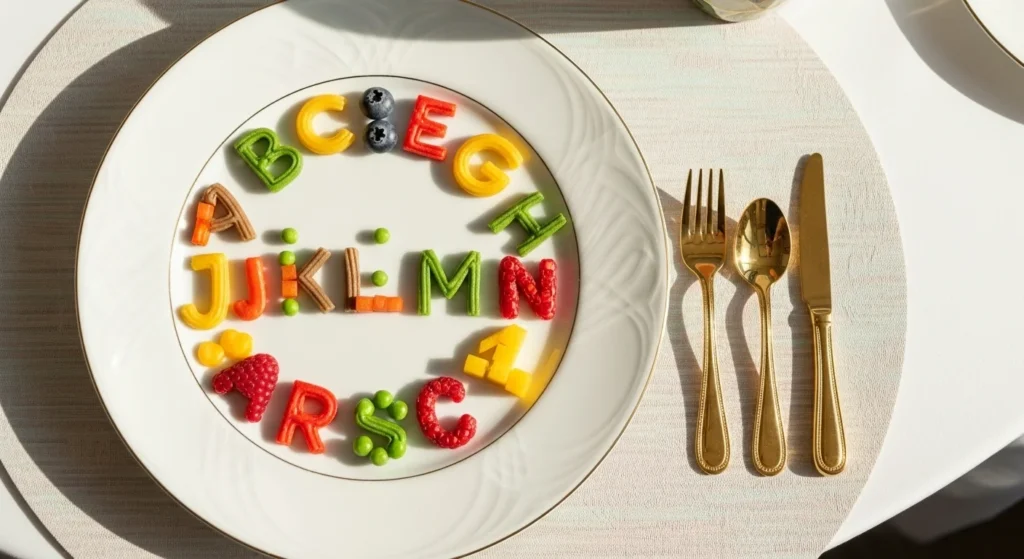
For babies and younger children, shape and texture matter more than presentation. Whole grapes, raw carrot chunks, round pieces of sausage, and some hard or sticky foods can be choking hazards. Follow the child’s developmental abilities and these choking-prevention guidelines; supervise children while they sit upright to eat. If a child has swallowing concerns or medical feeding needs, ask their clinician for individualized advice.
If the difficulty is selective eating rather than kitchen logistics, our familiar-food, small-change guide focuses on offering choices without pressure.
How Do You Build a Balanced Meal Without Cooking Extra Dishes?
Instead of adding an elaborate second recipe, look at the main dish and supply one useful missing component. A pasta bowl might need a protein option. An air fryer main might need fruit or vegetables. A rice bowl often already contains several components, depending on what’s in it.
Try this simple mental check: protein + grain or starch + produce, with water or another suitable drink. It doesn’t need to be perfectly arranged, and families can build variety across meals rather than making every plate look identical.
- Sheet-pan chicken and peppers: add already-cooked rice or bread.
- Pasta with tomato sauce: add peas, beans, or another convenient protein option.
- Rice bowls with beans: offer fruit or cooked vegetables on the side.
- Lentil soup: pair with toast and an appropriate fresh produce option.
- Air fryer fish sticks: serve with a vegetable side and a ready-to-eat starch.
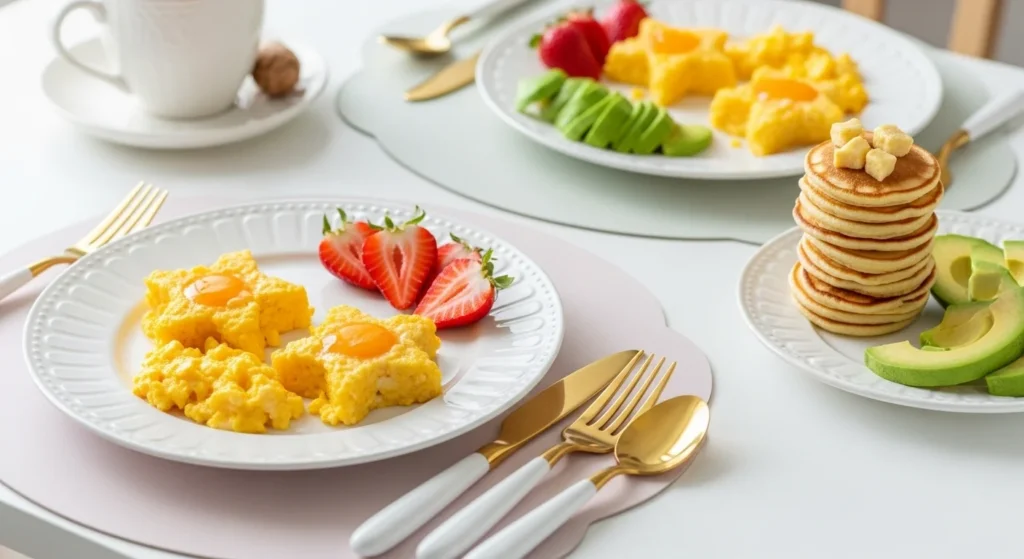
Keep serving arrangements practical. For a younger child, prepare food at an appropriate texture and size, not merely a smaller adult portion. For a child who dislikes foods touching, serve components side by side. For allergies, avoid cross-contact with restricted ingredients; preference-based mixing and allergen safety aren’t the same issue.
Bonus Value: The Kid-Friendly Dinner Method Selector
The Dinner Method Selector turns “What should we eat?” into a short decision. Don’t start by searching ten recipes. Check what’s ready to use, choose one cooking method, and make only the additions that fit the time you have.
| Your situation | Choose this method | First action | Stop and rethink if… |
|---|---|---|---|
| You have thawed chicken and zucchini | Sheet pan | Preheat oven, then chop quick-roasting vegetables | Chicken is frozen or dense potatoes need much longer |
| Pasta, sauce, and peas are ready | Pasta | Put water on first | You also plan a second raw meat recipe |
| Cooked rice and beans are in the fridge | Build-your-own bowls | Verify leftover age, then reheat safely | Leftovers were stored improperly |
| Canned lentils and broth are available | Soup or one pot | Start heating broth and vegetables | The plan depends on dried beans or raw stew meat |
| Frozen fish sticks and a small basket are ready | Air fryer | Check package instructions and basket space | You would need many consecutive batches |
The Five-Method Family Dinner Rotation
Use the same methods each week and change one ingredient or seasoning. This is a flexible planner, not a claim that every dish takes exactly 20 or 30 minutes.
| Day | Method | Example dinner | Advance check |
|---|---|---|---|
| Monday | Sheet pan | Chicken with peppers and zucchini | Thaw chicken safely; preheat and check thermometer |
| Tuesday | Pasta | Tomato pasta with peas | Pantry sauce and frozen vegetables ready |
| Wednesday | Build-your-own | Rice bowls with beans and cooked chicken | Use safely stored chicken from Monday or a freshly cooked alternative |
| Thursday | Soup or one pot | Canned lentil and vegetable soup | Check fridge contents and broth |
| Friday | Air fryer | Fish sticks with prepared sides | Check product label and basket capacity |
| Weekend | Choose the easiest repeat | Another bowl, pasta, or soup | Use safe leftovers or shop for next week’s staples |
Fill-in version: Sheet pan: ______ / Pasta: ______ / Build-your-own: ______ / Soup: ______ / Air fryer: ______. Keep one backup option such as eggs and toast for evenings when the ingredient plan falls apart.
A quick five-item grocery check is enough to begin: one protein, one grain or starch, one frozen or fresh vegetable, one canned bean or sauce, and one flexible flavor addition such as cheese or seasoning. You may already own several of these. The point is to make meals from what you have, not buy every item on a new list.
Frequently Asked Questions About Easy Kid-Friendly Meals
Are air fryers better than ovens for family dinners?
Not automatically. An air fryer can be convenient for small, crisp portions, but a sheet pan may be easier when you’re feeding several people. Compare the amount of food, number of batches, and total preparation time before choosing.
Which meals can you prepare the day before?
You can prepare some washed vegetables, safely store cooked chicken for a near-term meal, or make soup ahead. Refrigerate perishable foods promptly and use recommended storage limits. Keep crisp toppings or bread separate until serving when texture matters.
Can one cooking method feed children with different preferences?
Yes, when the components are flexible. Pasta sauce can be served separately, rice bowls can be assembled differently, and pizza toppings can vary. These are serving choices rather than entirely separate main dishes. Respect medical or allergy restrictions separately.
How can you avoid cooking separate meals?
Start with a shared base such as rice, pasta, a sheet-pan protein, or soup. Offer optional toppings or sides and let family members take suitable components. If the challenge is a child’s food refusal rather than preferences, handle it calmly rather than promising that one format will work for everyone.
What should you make when ingredients are limited?
Check for a grain or starch, a protein option, and any fresh, frozen, or canned produce. Pasta with peas, bean rice bowls, and lentil soup often use pantry staples. If nothing is ready to cook safely in the available time, choose a simple backup instead of rushing raw food.
The easiest family dinner is the method that fits the ingredients you really have, the time you actually have, and the number of people you’re feeding. Keep the five methods in rotation, adapt the ingredients, and use the selector when tonight’s plan changes. For planning beyond one week, our broader family dinner guide covers more ways to stretch ingredients and organize meals.