Air Fryer Beignets: Easy Beginner Recipe (No Frying)

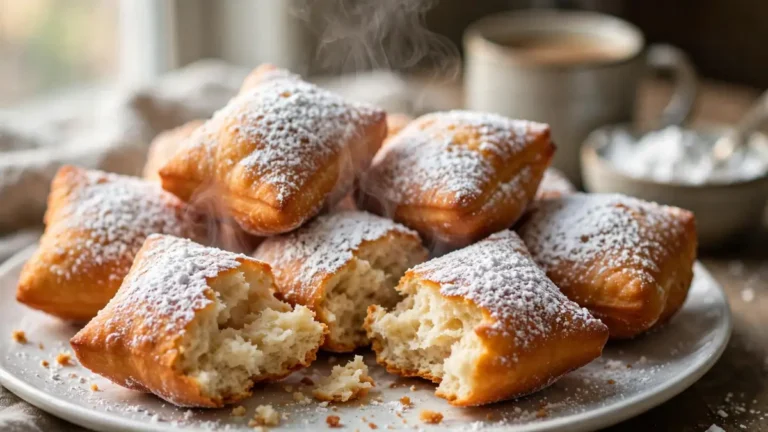
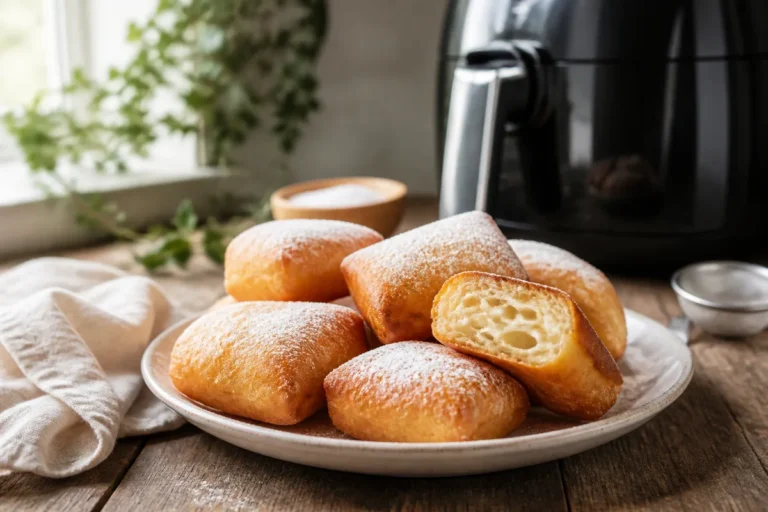
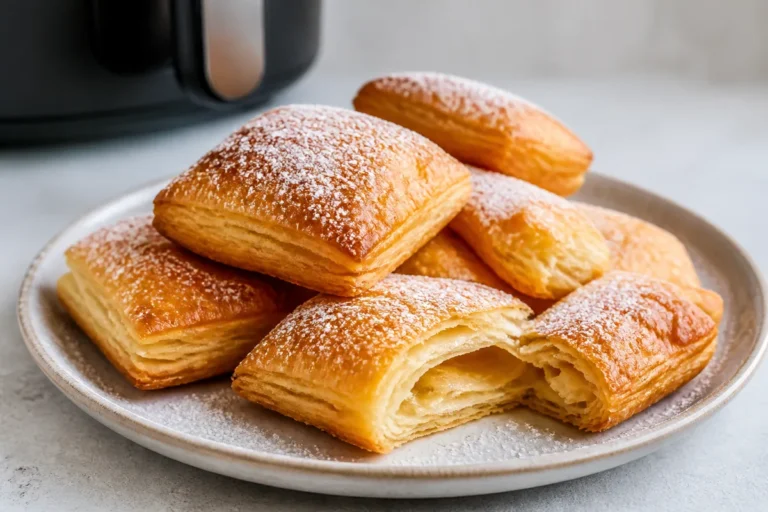
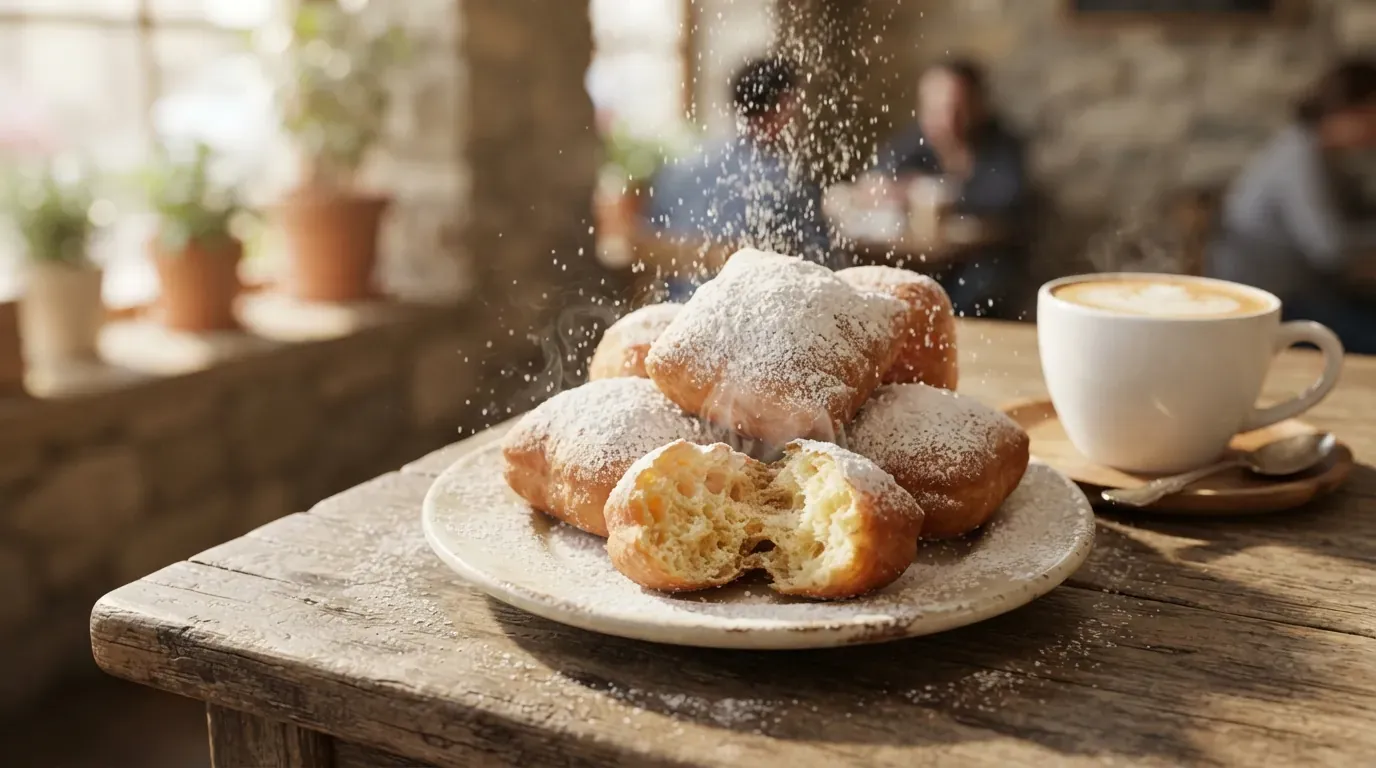
If you love the idea of warm, pillowy beignets but don’t want to deal with a pot of hot oil, air fryer beignets solve that problem. You get the same soft, airy center and a lightly golden crust, with far less mess and no oil splatter to clean up.
This guide walks through the full process, from mixing the dough to getting the timing right in the air fryer basket.
You’ll also learn why beignets sometimes turn out dense or pale, and how to fix it before your next batch.
If you enjoy making homemade treats, browse our recipe collection for more simple recipes the whole family will love.
Air Fryer Beignets: Easy Beginner Recipe (No Frying)
Enjoy these fluffy, air-fried beignets that are simple to make and a delightful treat for the whole family without the mess of frying. Perfect for a weekend brunch or any sweet snack craving!
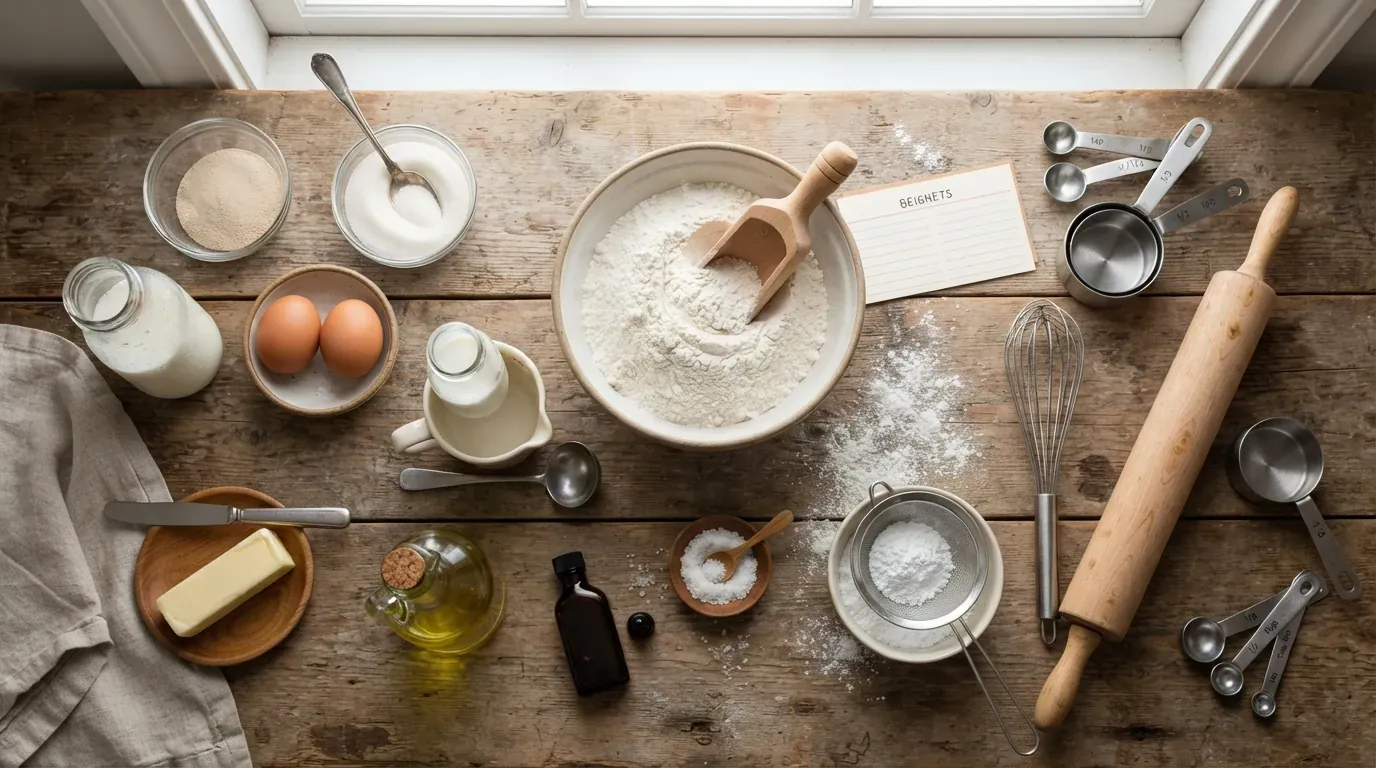
Ingredients
- 2 1/4 cups all-purpose flour
- 2 1/4 tsp active dry yeast
- 3/4 cup warm milk (105–110°F)
- 1/4 cup granulated sugar
- 1 large egg
- 2 tbsp unsalted butter, softened
- 1/2 tsp salt
- Neutral oil spray, such as canola or avocado oil
- Powdered sugar, for dusting
Instructions
- Warm the milk to 105–110°F, stir in sugar, sprinkle yeast on top, and let sit for 5–10 minutes until foamy.
- In a large bowl, mix flour and salt, then add the yeast mixture, egg, and butter; stir until a shaggy dough forms.
- Knead the dough on a floured surface for about 8 minutes until smooth and elastic.
- Place the dough in a greased bowl, cover, and let it rise in a warm place for 1–2 hours until doubled in size.
- Once risen, punch down the dough, roll out to 1/4-inch thickness, and cut into 2-inch squares. Let rest for 10 minutes.
- Preheat the air fryer to 350°F for 3–5 minutes, line the basket with parchment, and lightly spray with oil.
- Arrange the dough squares in a single layer in the basket, spray with oil, and air fry at 350°F for 5 minutes. Flip, spray again, and cook for another 4–5 minutes until puffed and golden.
Nutrition (per 1 beignet)
| Calories | 130 |
| Fat | 3g |
| Saturated Fat | 1g |
| Carbohydrates | 24g |
| Fiber | 1g |
| Sugar | 5g |
| Protein | 3g |
| Sodium | 90mg |
Dust and Serve
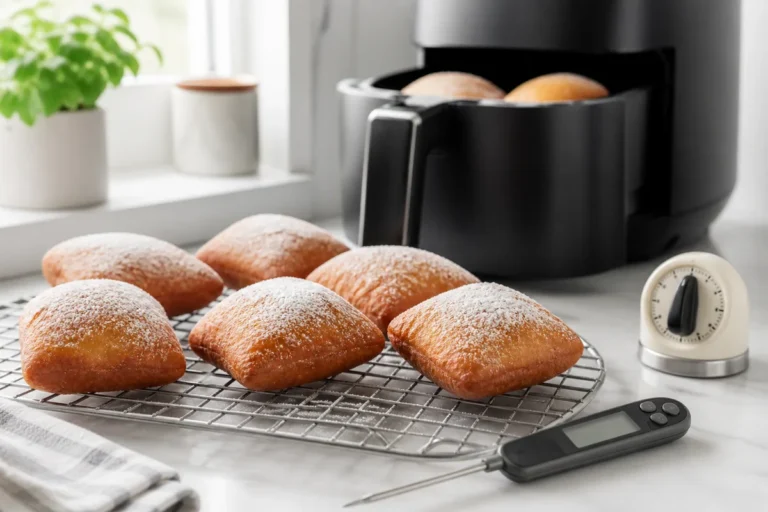
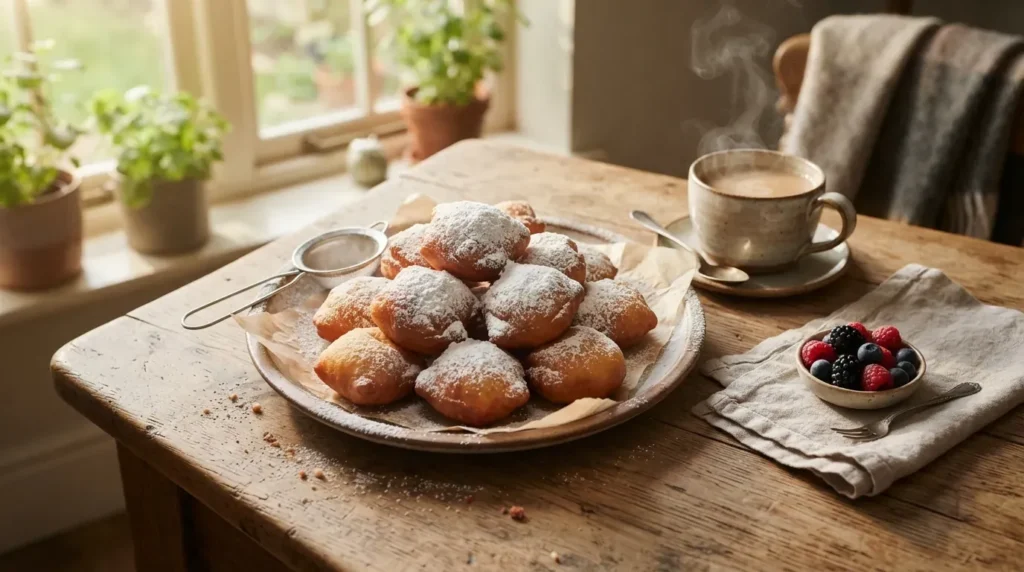
Transfer the beignets to a wire rack. While they’re still warm, dust generously with powdered sugar and serve right away for the best texture.
What Are Beignets?
Beignets are square-shaped pastries made from yeast dough and fried until golden. They’re served warm with a generous dusting of powdered sugar.
Although they originated in France, beignets became famous in New Orleans and are now enjoyed across the United States. Their light, fluffy center and crisp exterior make them different from most fried pastries.
Many people compare beignets to donuts, but they’re not the same. Beignets are usually lighter, less sweet inside, and don’t have a hole in the middle.
Fresh beignets taste best right after frying, when the outside is lightly crisp and the inside is soft and airy.
If you’re still building confidence in the kitchen, our 5 Easy Air Fryer Recipes are another great way to practice simple cooking techniques.
Expert Tips
- Spoon the flour into your measuring cup and level it off. Scooping straight from the bag packs in too much flour and leads to dense beignets.
- Don’t skip the oil spray on both sides. It’s what gives the crust its color and light crispness since there’s no oil bath doing that work for you.
- Resist opening the basket too early. Letting the beignets set for the first few minutes helps them hold their shape as they puff.
- Work in small batches. Crowding the basket blocks airflow, and that’s usually why some pieces turn out pale on one side.
Common Mistakes to Avoid
- Skipping the rise: Rushing this step is the top reason beignets come out flat and dense instead of light and airy.
- Rolling the dough too thin: Anything thinner than 1/4 inch won’t have enough height to puff properly.
- Not preheating the air fryer: Starting with a cold basket leads to uneven cooking and a soft, pale exterior.
- Forgetting the oil spray: Without it, the beignets bake instead of developing that light golden crust.
- Overcrowding the basket: This blocks air circulation, which is the entire mechanism the air fryer relies on to cook food evenly. For more on why this matters across recipes, see our tips for crispy results in the air fryer.
Storage Instructions
Let beignets cool completely before storing, since trapped steam will make them soggy. Keep them in an airtight container at room temperature for up to 2 days, or in the refrigerator for up to 4 days. For longer storage, freeze them in a freezer-safe bag for up to 2 months.
Reheating Instructions
Reheat beignets in the air fryer at 300°F for 2–3 minutes to bring back a lightly crisp exterior without drying them out. Avoid the microwave, since it tends to leave them chewy instead of tender. If you want more detail on this method for other foods, our guide on how to reheat leftovers in the air fryer covers the general approach.
Variations and Substitutions
Once you’re comfortable with the base recipe, there’s room to customize it.
- Lighter version: If you’re watching calories, our healthy air fryer beignets (lower calorie/oil-free) recipe swaps a few ingredients to cut back further.
- Filled beignets: Pipe a small amount of jam, cream, or chocolate hazelnut spread into the center after cooking. See our filled beignets (cream, jam & Nutella) easy filling ideas for specific combinations.
- Savory twist: Skip the powdered sugar and mix shredded cheese or diced jalapeño into the dough. Full instructions are in our savory beignets (cheese, jalapeño & more) post.
- Make-ahead dough: Prep the dough the night before so all that’s left in the morning is rolling and air frying. Our overnight air fryer beignet dough recipe walks through the timing.
Nutrition Disclaimer
Nutrition values for homemade beignets vary depending on exact ingredients and portion size. Any figures you see for this recipe are estimates only and shouldn’t be treated as medical or dietary advice. If you have specific health or dietary concerns, check with a nutritionist or your doctor.
Frequently Asked Questions
Can I make beignets in the air fryer without deep frying them first?
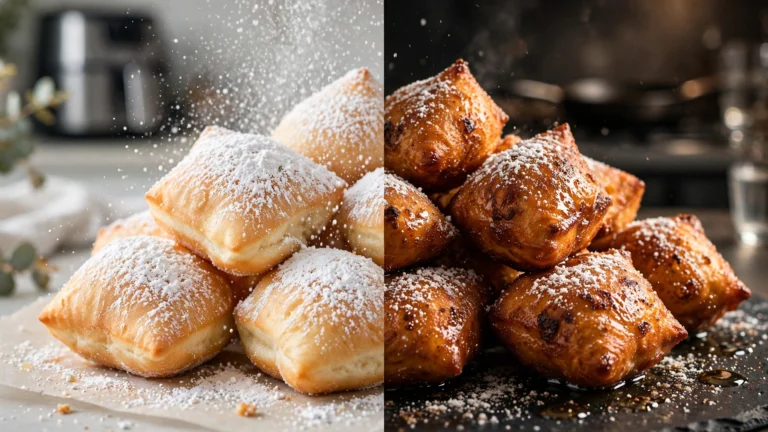
Yes. Air frying is a complete alternative to deep frying for this recipe, not a reheating step. The dough goes straight from resting into the preheated basket, and the hot air circulation is what creates the golden crust.
Why didn’t my air fryer beignets puff up?
This is almost always tied to the dough’s rise. If it didn’t double in size before shaping, or if the squares were rolled thinner than 1/4 inch, there isn’t enough trapped air to create that light, puffy texture during cooking.
Do I need to flip beignets halfway through cooking?
Yes. Flipping around the halfway point, and spraying the second side with oil, helps both sides brown evenly since the air fryer only circulates heat from certain directions.
Can I use a baking powder dough instead of yeast?
You can, and it saves time since there’s no rise involved. The texture will be denser and less airy than a traditional yeast dough, but it’s a reasonable option when you’re short on time.
Why are my air fryer beignets pale instead of golden?
Pale beignets usually mean the oil spray was skipped or too light, or the air fryer wasn’t fully preheated before cooking started. Both steps directly affect browning since there’s no oil bath doing that work for you.
Recipe Card Summary
Air Fryer Beignets: Prep: 20 minutes plus 1–2 hours rising · Cook: 12 minutes · Total: about 2 hours · Yield: 16 beignets. Soft, pillowy yeast dough squares air fried until golden and dusted with powdered sugar while warm.