
Air Fryer Desserts for Weight Loss: How to Choose

Air fryer desserts can fit into a weight-management eating pattern, but the air fryer itself does not make a dessert low in calories or cause weight loss. The full ingredients, toppings, serving amount and your overall eating pattern matter more than the cooking appliance.
When you want dessert but are unsure what to make, begin with the flavor and texture you are craving. We will compare meaningful ingredient differences, then point you toward complete cooking methods and a portion calculator. No dessert here is presented as proven to cause weight loss.
Can Air Fryer Desserts Fit a Weight-Management Eating Pattern?
Yes. Dessert is one part of a broader pattern of eating. The NIDDK’s weight-management guidance emphasizes a sustainable eating plan and overall food and drink intake. It does not suggest that switching to an air fryer, or choosing any particular dessert, automatically changes your weight.
An air fryer can make a small batch more convenient. That is helpful if you want one baked apple or two small cakes rather than a full-size pan. But a small basket cannot remove the calories in sugar, butter, chocolate, oil, nuts, honey or other ingredients you put into the dessert.
Instead of looking for a ‘magic’ weight-loss dessert, choose something you will actually enjoy, consider the whole batch and decide what portion suits your needs. Individual medical or dietary advice belongs with a qualified health professional, particularly when you have a diagnosed condition or a prescribed eating plan.
Which Dessert Fits Your Craving and Eating Goals?
Start with what you want to eat. A fruit dessert is not satisfying to everyone who wants chocolate, and a brownie will not give you the same crisp bite as a fruit chip. Choose the category that fits the moment, then pay attention to its ingredients and the portion you serve.
| What sounds good? | Dessert direction | What to check before choosing |
|---|---|---|
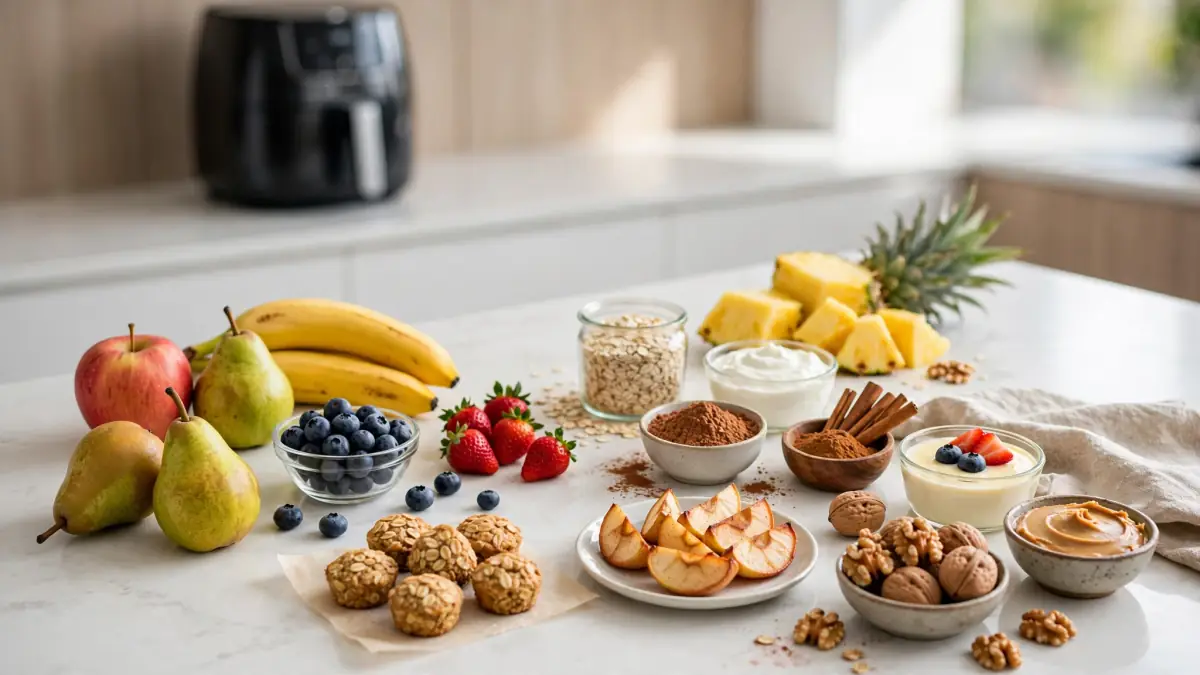
| Something crisp | Apple chips or banana chips | Thin slices need airflow. Note any added oil, sweetener, or dip. For actual steps, use our apple chips recipe. |
| Warm and comforting | Baked fruit or a fruit crumble | Fruit is only part of the dish. Oats, butter, nuts, syrup and serving toppings can make two versions quite different. |
| Cool and creamy | Yogurt with fruit or a yogurt dessert cup | Check plain versus sweetened yogurt labels. Egg-based cups also need appropriate cooking and refrigeration. |
| Rich and chocolatey | A small brownie or chocolate-dipped fruit | Count the complete chocolate, butter, nut butter or frosting amounts. Our brownies guide covers preparation. |
| A few soft bites | Banana-oat cookies or coconut macaroons | Check how many pieces the entire batch makes, and whether chips, syrup or nuts were added. |
| Something to share | A small fruit crisp or a few muffins | Decide how many people the dish will serve before dividing it; a ramekin is a container, not a nutrition serving. |
Quick decision rule: Choose crunchy fruit when you want crunch; warm fruit when you want a spoon dessert; yogurt when you want something creamy; and chocolate when chocolate is what you actually want. These options are not ranked by calories because the amounts and ingredients can differ.
For ingredient quantities, cooking temperatures and doneness instructions, use our complete healthy air fryer dessert guide. It includes sourced recipe variations and makes clear that Fryer Bites has not independently tested every version.
What Changes a Dessert’s Nutrition Profile Most?
The dessert’s name is a poor substitute for its ingredient list. A warm apple served with cinnamon and the same apple served with extra buttery oat crumble, ice cream and syrup are different desserts from a nutrition standpoint. Rather than labeling whole categories as ‘good’ or ‘bad,’ look at the amounts you use.
| Ingredient | Why it matters | A practical choice |
|---|---|---|
| Fruit | Portion size and added toppings affect what ends up on your plate. | Start with the fruit you want, then consider how you will serve it. |
| Oats and flour | Different recipes use different quantities. | Use the measured amount in a complete recipe, not a vague handful. |
| Yogurt | Plain and flavored products may differ in added sugars and other nutrients. | Compare the specific products you buy and the quantity used. |
| Honey, syrup and sugar | These sweeteners contribute added sugars and energy. | Measure your actual additions, including any drizzle after cooking. |
| Nut or seed butter | The amount in stuffed dates or brownies can vary. | A measured spoonful is easier to account for than an oversized scoop. |
| Chocolate, butter and oil | Batters, coatings and toppings may use different quantities. | Include every addition in the recipe total instead of counting only the main ingredient. |
The FDA classifies sugars from honey and syrups as added sugars when used as sweeteners. Naturally occurring sugars in fruit and milk are distinguished from added sugars. ‘No added sugar’ is not the same as ‘no calories,’ and an ingredient does not become calorie-free because it sounds natural.
The FDA Nutrition Facts label guide also explains that values on a package apply to the stated serving size. Your chosen portion may differ from that amount. If you change brands, substitute ingredients or add toppings, the original recipe’s nutrition estimate may no longer match what you eat.
How Can You Make a Satisfying Dessert Without Guessing?
You can make a deliberate choice without turning dessert into a complicated calculation. Use this short four-step check when choosing a homemade treat:
- Choose the flavor and texture you want. A chocolate craving and a craving for fresh fruit are not the same. A dessert you actually enjoy is more useful than an unwanted substitute.
- Use a complete recipe when you cook. A dessert idea is not enough to verify ingredient ratios, cooking time, or whether the center is fully done.
- Consider the whole batch. Note the oil, butter, sweeteners, chocolate, nut butter and toppings along with the main ingredients.
- Decide the amount you will serve. A single small baking cup could contain one or several intended portions. Decide based on the recipe, not just the container.
Example: Baked Apple With Your Favorite Topping
Suppose you choose a baked apple because you want something warm. A little cinnamon changes the flavor without making it the same preparation as an apple filled with oats, butter, chopped nuts and syrup. Choose the filling you like, but include its ingredients if you estimate the meal. A whole baked apple or half an apple is a choice of portion, not a universal recommendation.
Example: Chocolate Brownie in a Ramekin
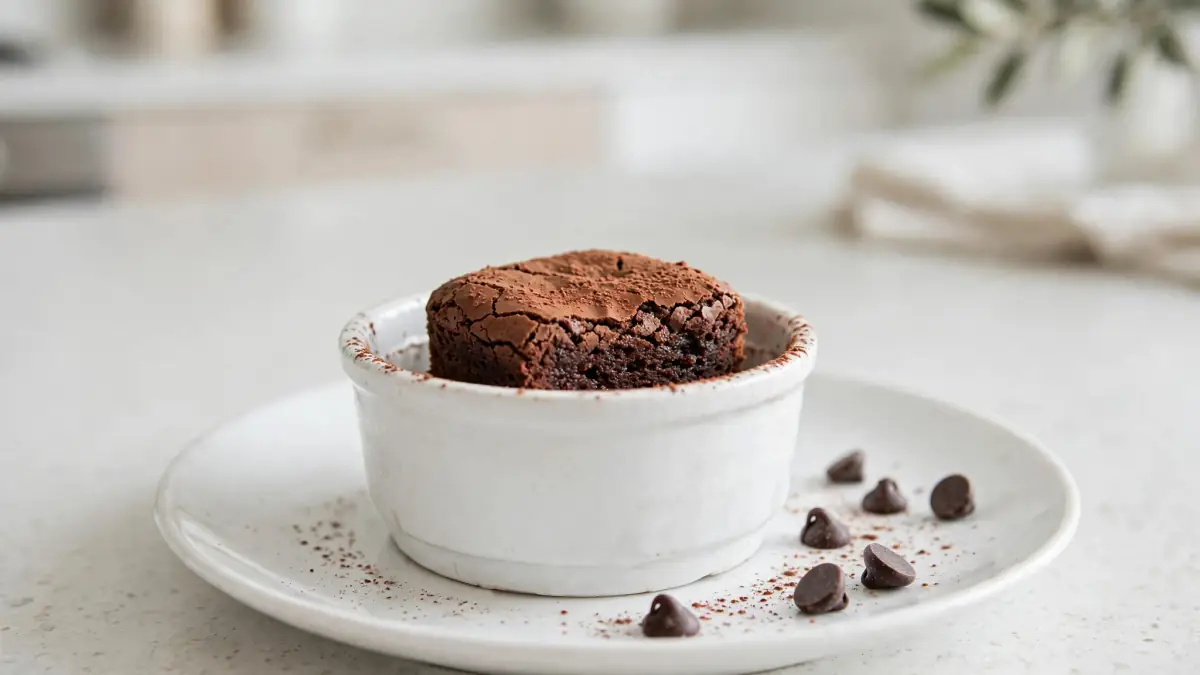
A ramekin brownie may look like one serving, but it still contains whatever ingredients went into its batter. If a verified recipe produces two equal portions and you share the brownie evenly, each portion represents half the batch. If you eat the whole ramekin, count the entire batch. Never judge egg- or flour-based dessert doneness by its browned surface alone.
If you want numbers from the ingredients you actually use, try our dessert calorie calculator and worksheet. You enter ingredient calories, portion count and toppings; the result is an estimate, not a laboratory-tested nutrition label.
Which Common Dessert Assumptions Should You Avoid?
- ‘Air fried’ automatically means low calorie. Cooking method alone cannot tell you the calories in a dessert. Look at the ingredient quantities and the portion.
- Fruit desserts are always lighter than brownies. Plain warm fruit and a buttery fruit crisp are not interchangeable. Neither are two brownie recipes made with different ingredients.
- Honey or maple syrup does not count as sugar. These sweeteners contribute added sugars and energy to desserts.
- A small ramekin equals one serving. A serving on a package label is a standardized reference; the portion you choose may not match it. NIDDK explains the difference between portions and labeled servings.
- A browned top proves the cake is cooked inside. A deep cake, brownie or egg-based cup can color before the center cooks. Use a complete cooking method and its doneness guidance.
- Making dessert without added sugar guarantees a low-calorie result. Foods can contain naturally occurring sugars and energy from other ingredients.
Another common comparison mistake is relying on two recipe calorie estimates without checking whether they include different toppings, use different ingredient brands, or count different serving yields. An unverified number is not a dependable basis for a food choice.
Where Can You Find Full Recipes and Portion Tools?
This article helps you choose. Use the related pages for the next practical step, without repeating the same cooking instructions and nutrition claims across three posts.
- For measured ingredients and preparation, use the air fryer dessert recipe collection.
- For estimating calories in the actual amount you serve, use the ingredient-based calorie calculator.
- For making only enough dessert for one or two people, use the small-batch dessert planning guide.
If you’re still deciding, start with the comparison table above. Once you’ve picked a dessert, use its complete cooking method and check ingredient quantities before estimating the serving you plan to enjoy.
Frequently Asked Questions
Does cooking a dessert in an air fryer reduce calories?
Not automatically. An air fryer may let you prepare some foods with less added fat than a different method, but that depends on the specific recipes being compared. The ingredients and amount you eat still determine the dessert’s energy.
Are fruit desserts always lower in calories than chocolate desserts?
No. Preparation and serving size matter. Fruit with cinnamon is different from a fruit crumble with butter and syrup, and chocolate desserts also vary widely. Compare the actual ingredients rather than the dessert’s general category.
Does honey make a dessert free of added sugar?
No. Honey and maple syrup are sources of added sugars when you use them as sweeteners in a recipe. They also contribute calories, so include the amount you add.
How do I estimate the calories in the serving I actually eat?
Find the calorie contribution from each ingredient for the amount used, add up the full batch, and divide by reasonably equal portions. Then include any topping you add to the portion on your plate. Check product labels or reputable food-composition data rather than assuming all brands are identical.
Do I need to give up dessert entirely for weight management?
There is no single dessert rule that fits everyone. Eating patterns, health circumstances and preferences differ. Consider guidance that is sustainable for you, and seek individualized help if you follow a medical or dietary treatment plan.
Bottom line: Start with a dessert you will enjoy. Compare the ingredients and toppings, choose an appropriate portion, and follow a complete recipe for preparation. An air fryer is convenient, but no single dessert promises weight loss.