
Budget-Friendly Family Dinners: 7 Affordable Ideas and a Meal Cost Calculator

You pick a dinner that looks affordable, buy everything on the ingredient list, and somehow spend more than you expected. The problem is not always the recipe. The cost of the food you use and the amount you pay for whole grocery packages are two different numbers.
These seven budget-friendly family dinners give you specific quantities for four people, practical ways to swap ingredients, and one shared grocery list. You can use the accompanying meal cost calculator to enter prices at your store instead of relying on a promise that a dinner will cost the same everywhere.
Quick answer: Start with lentils, eggs, beans, rice, pasta, potatoes, and whatever vegetables you can buy at a good price. Plan several dinners around the same purchases, then compare both ingredient value per serving and the amount of cash you need at checkout. A meal can have a low per-serving cost but still require an expensive grocery trip if you must buy several full packages.
What makes a family dinner budget-friendly?

A useful low-cost dinner feeds your household without creating another problem later. It uses enough food for the intended portions, fits your available cooking time, and makes sensible use of ingredients you already have or can use again. A long list of tiny quantities may look inexpensive in a recipe calculator but turn into a costly checkout basket.
Three measurements help you choose:
| Number | What it measures | Why it matters |
|---|---|---|
| Ingredient cost used | Value of the quantities that go into the meal | Helps compare dinner ideas fairly |
| Cost per serving | Ingredient cost used divided by four | Makes meals of different sizes easier to compare |
| Checkout cost | Total price of the whole packages you must buy, after accounting for usable pantry stock | Tells you the cash needed for this shopping trip |
For example, if a four-cup package costs a hypothetical $2, using one cup represents $0.50 of ingredient value. But if you own none of that ingredient, you still pay $2 at checkout for the package. The remaining three cups are food available for another meal, not cash you have already saved.
The same principle applies to cheese, tortillas, broth, onions, and spices. The calculator below pools ingredients across all seven meals before rounding up to whole packages. That is more realistic than pricing each recipe as a separate shopping trip.
How to price dinner for four without guessing
- Choose a meal and check quantities. The seven guides below are written for approximately four portions. Adjust quantities for your own appetites and any side dishes.
- Check your usable pantry stock. Count only what you can safely use, in the same units as the worksheet. An opened jar with an unknown amount is not automatically a full jar.
- Enter the package size and the price on your receipt or store shelf. For example, if rice is sold in a 32-ounce bag, either price and measure the whole worksheet in ounces or convert both the bag and recipe quantities to cups using the package information. Do not mix ounces, pounds, cups, and cans within one ingredient row.
- Compare used value with checkout cost. The first tells you what the meal consumed. The second tells you whether you can cover the shopping trip today.
- Account for leftovers honestly. Record what remains in the pantry or packages for future meals. Do not call the difference between checkout and used value a cash saving.
The spreadsheet is most helpful after you fill in real prices. Until then, its summary deliberately says “Needs prices” rather than showing a misleading zero-dollar dinner. Seasonings and cooking oil are included because leaving pantry staples out can make cheap recipes seem cheaper than they are.
Download the family dinner true-cost calculator
Enter actual package sizes, local grocery prices and the ingredients you already have. The spreadsheet helps you compare the value of ingredients used with your whole-package checkout spending across seven meals. It does not promise the same prices in every store, and you can use the manual cost method above if you prefer not to download the file.
Which dinner fits your night and your pantry?
| Dinner | Estimated total time | Shop first for | Best reason to choose it |
|---|---|---|---|
| Lentil and tomato pasta | 35–45 min | Lentils, pasta, tomatoes | No meat needed; mostly pantry items |
| Egg fried rice | 15–20 min with cooked rice | Eggs, frozen vegetables | Fast if rice was prepared and chilled safely |
| Chickpea and potato curry | 30–40 min | Chickpeas, potatoes, rice | Filling meatless option |
| Chicken thighs and roasted vegetables | 40–50 min | Chicken, potatoes, carrots | Familiar oven dinner |
| Bean and cheese quesadillas | 20–25 min | Tortillas, beans, cheese | Easy to customize |
| White bean vegetable soup | 30–40 min | White beans, broth, vegetables | Good use for partial vegetable packages |
| Loaded baked potatoes | 45–65 min in oven | Potatoes, beans, toppings | Flexible DIY plates |
These are planning ranges, not stopwatch-tested times. Check the instructions and the safe doneness guidance for the food you choose.
Seven budget-friendly family dinners with quantities for four
These are straightforward dinner frameworks, not claims of personally tested recipes. The times are planning estimates: burner strength, pan size, ingredient size, air fryer capacity, and the brand of pasta or rice can change the result. Check tenderness and safe temperatures rather than trusting a clock alone.
1. One-Pot Lentil and Tomato Pasta
Serves: 4
Plan on: roughly 35–45 minutes
Good for: a filling pantry dinner when you have dried lentils and pasta
You need: 1 cup dry brown or green lentils; 12 oz dry pasta; 14 oz canned crushed tomatoes; 1 small onion; 3 garlic cloves; 1 tablespoon cooking oil; 1 teaspoon Italian seasoning; ½ teaspoon salt; ¼ teaspoon black pepper; and about 5–7 cups water, added as needed. Water is not priced in the worksheet.
- Rinse the lentils and check for small stones. Dice the onion and mince the garlic.
- Warm the oil in a large pot. Soften the onion for about 4 minutes, then add garlic and Italian seasoning for 30 seconds.
- Add the lentils and 4 cups water. Simmer until they are nearly tender, often 18–25 minutes depending on the variety. Stir and add water if needed.
- Add tomatoes, pasta, salt, and pepper with enough additional hot water to submerge most of the pasta. Simmer uncovered, stirring frequently, until the pasta and lentils are tender. Adjust water gradually so the pot stays saucy rather than watery.
- Taste and adjust seasoning. Divide into four bowls.
Lower-cost swap: Use a lower-cost pasta shape or the canned tomato format already in your pantry. Red lentils soften faster and can turn the sauce creamy; if using them, shorten the initial simmer and watch the texture.
Cost check: The important cost levers are pasta price per ounce, lentils per dry cup, and whether you already own oil and seasoning. A bag of lentils may cover several recipes, so the first grocery receipt can be larger than the cost of lentils used tonight.
Watch for: Lentils that are still firm when the pasta is done. Give brown or green lentils a head start before adding pasta and tomato, and do not assume all lentil varieties cook alike.
2. Egg Fried Rice With Frozen Vegetables
Serves: 4
Plan on: 15–20 minutes with safely chilled cooked rice; longer if starting with dry rice
Good for: using frozen vegetables, eggs, and previously cooked rice
You need: 1½ cups dry rice (cook and chill safely ahead of time); 4 eggs; 3 cups frozen mixed vegetables; 3 tablespoons soy sauce; 1 tablespoon cooking oil; 2 green onions; 2 garlic cloves; and ¼ teaspoon black pepper. The dry-rice amount is what the worksheet costs, not the larger cooked volume.
- Cook the rice according to the package directions if it is not already prepared. Cool it quickly in shallow containers and refrigerate promptly; do not leave cooked rice sitting on the counter for extended periods.
- Beat the eggs. Heat half the oil in a large skillet, scramble the eggs until fully cooked, then transfer them to a plate.
- Add the remaining oil and the frozen vegetables to the hot skillet. Cook until heated through and excess water has evaporated.
- Stir in minced garlic, chilled rice, soy sauce, and pepper. Break up rice clumps and stir until everything is steaming hot. Return the eggs to the pan and add sliced green onion.
- Divide into four portions. Add extra vegetables if your household needs more volume.
Lower-cost swap: Buy whichever plain frozen vegetable mix is less expensive per cup, or use leftover cooked vegetables that have been stored safely. If soy sauce is expensive, compare the portion cost of the smallest bottle with a store brand.
Cost check: Rice is often bought in a large bag. Enter the actual bag size and price, then use 1½ dry cups in the meal column. Four eggs belong in the egg row even if the store sells them by the dozen.
Watch for: Watery frozen vegetables and rice that has been stored unsafely. Cook off moisture before adding the rice, refrigerate cooked rice promptly, and reheat leftovers to 165°F.
3. Chickpea and Potato Curry With Rice
Serves: 4
Plan on: roughly 30–40 minutes
Good for: a meatless dinner with satisfying potatoes and beans
You need: 2 cans (15 oz each) chickpeas, drained and rinsed; 1 lb potatoes; 1 cup dry rice; 14 oz canned crushed tomatoes; 1 onion; 3 garlic cloves; 2 teaspoons curry powder; 1 tablespoon cooking oil; ½ teaspoon salt; and about 1 cup water.
- Start the rice according to the package instructions. Keep the cooked rice warm only for immediate serving; refrigerate leftovers promptly.
- Dice the potatoes into roughly ½-inch pieces so they soften in a reasonable time. Chop the onion and garlic.
- Soften the onion in oil in a deep skillet or pot. Add garlic and curry powder, stirring briefly so the spices do not burn.
- Stir in potatoes, tomatoes, and water. Cover and simmer about 12–18 minutes, stirring occasionally, until the potatoes are nearly tender. Add water if the sauce thickens too much.
- Stir in the drained chickpeas and heat thoroughly. Season with salt and serve over rice.
Lower-cost swap: Compare a 15-ounce can of chickpeas with the cost and cooking time of dry chickpeas. If using dried beans, soak and fully cook them using appropriate instructions before adding to this quick curry; they cannot simply replace canned chickpeas in the same short cook time.
Cost check: This meal shares rice, onion, garlic, tomatoes, oil, and seasonings with other dinners, reducing the need to buy separate packages for every recipe.
Watch for: Potatoes cut too large, which can leave firm centers while the sauce looks done. Check a piece with a fork before serving.
4. Chicken Thighs With Roasted Potatoes and Carrots
Serves: 4
Plan on: roughly 40–50 minutes
Good for: a simple meat-and-vegetable dinner without a special sauce
You need: 2 lb boneless, skinless chicken thighs; 1½ lb potatoes; 1 lb carrots; 2 tablespoons cooking oil; 3 garlic cloves; 2 teaspoons paprika; ¾ teaspoon salt; and ½ teaspoon black pepper.
- Heat the oven to 425°F. Cut potatoes into small, similar-size pieces and carrots into thin rounds. Pat the chicken dry with paper towels.
- Toss the potatoes and carrots with half the oil and some of the seasoning. Spread them on a large baking sheet with space between pieces; use two pans if crowded.
- Roast the vegetables for about 10 minutes. Meanwhile, coat the chicken with the remaining oil, chopped garlic, and seasonings. Use a separate clean surface for raw chicken.
- Add the chicken to the pan with adequate space, or use a second tray. Continue roasting until the vegetables are tender and a food thermometer inserted in the thickest part of the chicken reads 165°F. This may take approximately 20–30 more minutes depending on chicken thickness and pan loading.
- Rest briefly, divide into four portions, and serve.
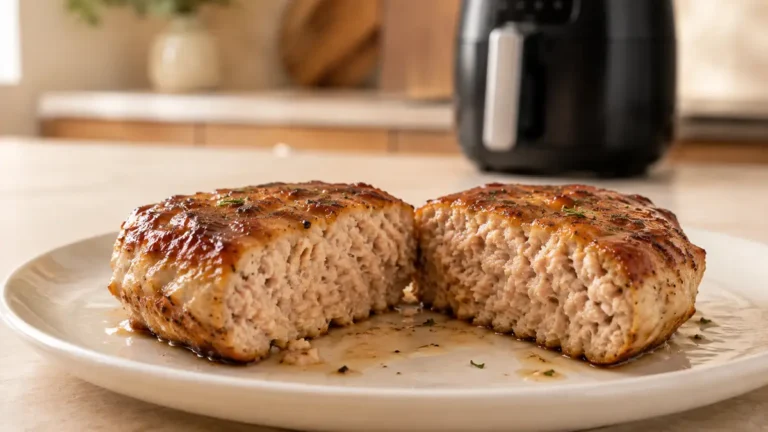
Air fryer option: Cook the chicken in a single layer according to your model’s instructions, starting to check boneless pieces around 16–22 minutes at 380°F. Cook potatoes and carrots separately or in batches if the basket is small; the complete meal may take longer than the oven version. The thermometer, not the suggested time, determines safe chicken doneness.
Lower-cost swap: Compare the total edible yield and local price of boneless thighs with bone-in thighs, then adjust quantities and cooking time. Bone-in portions are not a direct ounce-for-ounce substitution.
Cost check: Chicken is the largest price variable here. Look at cost per usable portion, not only the package sticker. Potatoes and carrots are shared with other dinners.
Watch for: Overcrowding or using a single fixed timer for differently sized thighs. Cook in batches if necessary and verify 165°F. See our air fryer chicken cooking-time guide for cut-specific starting points.
5. Bean and Cheese Quesadillas
Serves: 4 (two folded quesadillas each)
Plan on: roughly 20–25 minutes
Good for: a quick, customizable dinner when the pantry has beans and tortillas
You need: 8 medium flour tortillas; 2 cans (15 oz each) black beans, drained and rinsed; 8 oz shredded cheese; ½ onion; 1 teaspoon cooking oil; 4 oz plain yogurt for serving; and ½ teaspoon paprika.
- Mash about one-third of the beans so the filling holds together. Mix the beans with finely chopped onion and paprika.
- Spread the bean mixture across half of each tortilla, sprinkle with cheese, and fold closed. Avoid overfilling.
- Lightly oil a skillet over medium heat. Cook quesadillas in batches for about 2–4 minutes per side until the tortillas brown and the cheese melts. Adjust the heat so the outside does not burn before the center warms.
- Let cool briefly, cut into manageable wedges, and serve with a spoonful of plain yogurt. Add a raw vegetable or fruit side if desired, and include it in your budget if you buy it.
Air fryer option: An air fryer can crisp filled tortillas, but airflow may lift loose edges. Follow your appliance’s guidance, keep fillings enclosed, and cook in a single layer, turning carefully; start checking around 6 minutes at 350°F.
Lower-cost swap: Buy block cheese and shred it yourself if its price per ounce is lower; or reduce the cheese slightly while keeping enough beans to fill the tortillas. Compare prices per tortilla rather than per package.
Cost check: The worksheet counts eight tortillas, two cans of beans, and eight ounces of cheese. A family that already owns half a bag of shredded cheese should enter the remaining usable amount as pantry stock.
Watch for: Large, overfilled tortillas that tear or leak cheese. Smaller portions crisp more reliably. For more technique help, see our air fryer quesadilla guide.
6. Vegetable and White Bean Soup With Bread
Serves: 4 generous bowls with bread
Plan on: roughly 30–40 minutes
Good for: using carrots, onions, and canned beans before they sit unused
You need: 2 cans (15 oz each) white beans, drained and rinsed; 4 cups broth; ¾ lb carrots; 1 onion; 3 celery stalks; 3 garlic cloves; 14 oz canned crushed tomatoes; 1 tablespoon cooking oil; 1 teaspoon Italian seasoning; ½ teaspoon salt; ¼ teaspoon black pepper; and 8 bread slices.
- Dice the carrots and celery small enough to cook evenly. Soften the onion, carrot, and celery in oil in a soup pot for about 6–8 minutes.
- Add garlic and Italian seasoning, stirring for about 30 seconds.
- Add tomatoes, broth, and beans. Simmer uncovered or partly covered for roughly 15–20 minutes until the vegetables are soft. Add a little water if it becomes too thick.
- Taste before adding extra salt, especially if the broth is salted. Gently mash a small portion of the beans to thicken the soup if you like.
- Serve with two slices of bread per person. If the bread is frozen, toast only what you need.
Lower-cost swap: Check whether broth made from an ingredient you already use costs less than boxed broth. If using bouillon or a concentrate, convert its actual package yield to four cups before entering a worksheet price.
Cost check: This meal uses onions, garlic, tomatoes, carrots, oil, and seasoning already listed elsewhere. It also demonstrates why a small item such as celery needs a checkout calculation: you might buy a whole bunch but use only three stalks.
Watch for: Assuming soup is automatically filling enough for four hungry adults. Serve sufficient bread or another substantial side, count it in the budget, and adjust portions. Refrigerate remaining soup promptly.
7. Loaded Baked Potatoes With Beans and Simple Toppings
Serves: 4
Plan on: 45–65 minutes in the oven, or less with appropriately sized microwaved potatoes
Good for: a build-your-own dinner with inexpensive, flexible toppings
You need: approximately 3 lb potatoes (four large or several smaller potatoes); 2 cans (15 oz each) black beans, drained and rinsed; 6 oz shredded cheese; 8 oz plain yogurt; 3 green onions; ½ teaspoon paprika; and ¼ teaspoon salt.
- Scrub the potatoes, dry them, and pierce each several times. Bake at 425°F until a knife slides easily through the center, often 45–65 minutes depending on size. Alternatively, microwave using your appliance’s potato instructions, turning as needed and checking the center for tenderness.
- While the potatoes cook, warm the drained beans in a small saucepan with paprika and a splash of water until heated through.
- Split the cooked potatoes, fluff the centers, and distribute beans and shredded cheese evenly over all four portions.
- Add yogurt and sliced green onions at the table so family members can choose their toppings.
Air fryer option: Potatoes can also be cooked in a basket at around 400°F, but larger ones may take roughly 35–50 minutes or more. Leave space around them and confirm the center is soft; a crowded basket may lengthen the cooking time.
Lower-cost swap: Use leftover safely stored beans or cheese from the quesadilla dinner instead of opening additional packages. If the bagged potatoes are cheaper per pound than individual large potatoes, choose similar-size ones for even cooking.
Cost check: This is a useful test of shared shopping: the black-bean and cheese quantities are pooled with meal five, and yogurt is pooled with it as well. You may spend more to buy a full bag today but have usable ingredients left for another dinner.
Watch for: Potatoes that look cooked outside but remain firm in the middle. Check the thickest part. For another potato side, see our air fryer red potatoes method.
One shared grocery list for all seven dinners

The meal guides deliberately reuse purchases rather than creating seven unrelated lists. Our 28-ingredient cost plan tracks a separate quantity for each dinner, plus package sizes, prices, and usable pantry amounts. Use the worksheet method below to organize your own shopping quantities.
| Shelf or area | Main items to check before shopping | Shared across meals? |
|---|---|---|
| Dry goods | Brown or green lentils, pasta, dry rice, tortillas, bread | Rice serves two dinners; starches can carry forward |
| Canned goods | Crushed tomatoes, chickpeas, black beans, white beans, broth | Tomatoes and black beans recur |
| Refrigerated/frozen | Eggs, cheese, yogurt, frozen mixed vegetables, boneless chicken thighs | Cheese and yogurt each serve two dinners |
| Produce | Potatoes, carrots, onions, garlic, celery, green onions | Potatoes, carrots, onions and garlic recur |
| Pantry seasonings | Cooking oil, Italian seasoning, curry powder, paprika, salt, black pepper, soy sauce | Several items span multiple dinners |
This is not a claim that every family already has the pantry ingredients. Even if you need only a teaspoon, the worksheet adds the price of a full container if you have none. If your grocery store offers different package formats, choose whichever accurately reflects the pack you would actually buy.
Before you shop: Count the food you can use, check the date and condition of refrigerated items, and decide which dinner to cook first. Raw chicken is a priority to cook or freeze according to food-storage guidance. A pantry item that has spoiled is not usable stock.
How the true-cost meal calculator works
The true-cost worksheet below is a planning method, not an automatically updated grocery price feed. It does not know your store’s deals. You can follow the example directly or copy the fields into a spreadsheet and enter your own package sizes, pantry amounts, and prices.
| Field | What you enter | Example (hypothetical) |
|---|---|---|
| Ingredient | Rice | Rice |
| Units used across dinners | 2.5 dry cups | 2.5 |
| Package size | Number of dry cups in your bag, based on your package information | 4 dry cups |
| Package price | Your actual shelf price, when ready | $2.00 |
| Usable pantry stock | Amount already on hand in the same units | 0 dry cups |
| Used ingredient value | 2.5 ÷ 4 × $2 | $1.25 |
| Whole packages to buy | Round up (2.5 minus pantry stock) ÷ 4 | 1 package |
| Checkout cash | 1 × $2 | $2.00 |
| On-hand remainder | Pantry stock + purchased units − units used | 1.5 dry cups |
This example uses made-up prices only to show the math. For this single rice row, the $0.75 difference is the value of unused rice, not a 75-cent cash saving on the day you shop. Across seven meals, calculate quantities together before rounding purchases to whole packages.
As another mathematical illustration, a 28-ingredient worksheet can show $41.75 in value used but $68 in checkout cash when whole packages must be purchased. Those are deliberately invented inputs for explaining formulas, not grocery price estimates for these seven dinners.
The formulas in plain English
- Total units needed = sum of that ingredient’s quantities for all seven meals.
- Units to buy = larger of zero and (total units needed minus usable pantry stock).
- Whole packages to buy = round up (units to buy divided by package size).
- Checkout cash = whole packages to buy multiplied by package price.
- Ingredient value used = total units needed multiplied by package price divided by package size.
- Remainder on hand = usable pantry stock plus purchased units minus total units needed.
- Dinner cost per serving = sum of meal-specific ingredient values divided by four.
The final line of the worksheet should show “Needs prices” if a used ingredient is missing a valid package size or price. A blank price is not the same as a free ingredient.
How to choose substitutions without accidentally raising the bill
Start with the most expensive ingredient on your receipt, not whatever people online say is usually expensive. Chicken thighs, cheese, canned foods, and fresh vegetables can change dramatically in price depending on your region, package size, and sale.
| When this item is expensive | Try this decision | Check before swapping |
|---|---|---|
| Boneless chicken thighs | Compare bone-in price per edible portion or choose the bean dinner instead | Cooking time, bones, portion yield and 165°F for poultry |
| Shredded cheese | Compare block cheese per ounce or slightly reduce the topping | Whether the new amount still makes four satisfying portions |
| Canned chickpeas or beans | Compare home-cooked dry beans | Soaking/cooking time and the actual cooked yield |
| Fresh carrots | Compare frozen plain carrots or a different in-season vegetable | The amount needed and how quickly it cooks |
| Branded pasta or rice | Compare store-brand cost per standard unit | Package yield and whether your family likes the texture |
| Boxed broth | Compare equivalent yield from bouillon or homemade stock | Sodium, recipe flavor and actual cost per prepared cup |
Avoid a swap that saves 50 cents on paper but causes the family to reject dinner and order something else. A familiar bean filling or a simple tomato sauce can be a better budget choice than an unfamiliar ingredient bought for just one recipe.
For more ideas when you need to shorten dinner time, our quick air fryer meals are a separate speed-focused collection. This page focuses on grocery math and the real cost of a week’s dinner ingredients.
When bulk buying actually helps, and when it does not
Large packages can lower the price per ounce or cup, but only if you can afford the checkout total and safely use or store the rest. A bigger bag that goes stale or expires is not automatically a bargain.
Choose the larger package when you have a plan to use the remainder, enough freezer or pantry space, and cash available today. Choose the smaller pack when money is tight this week, the ingredient is new to your household, or the extra amount may be wasted. The worksheet’s leftover column makes the tradeoff visible instead of rewarding bulk purchases unconditionally.
For meat and cooked dishes, follow safe storage windows rather than stretching leftovers indefinitely. The FoodSafety.gov cold food storage chart lists typical refrigerated leftovers such as cooked meat, poultry, soups, and stews at 3–4 days in a refrigerator at 40°F or below. Freeze portions you will not use in that window.
How to keep the meals balanced when the budget is tight
A practical plate does not require premium foods or exact calorie claims. Look at the whole meal: include a filling starch or grain, a protein source such as beans, eggs, lentils, or chicken, and vegetables or fruit in amounts that fit your family’s needs.
Some of these dishes already include vegetables; others, especially quesadillas and loaded potatoes, may benefit from an affordable side. Include the side in your worksheet if it requires additional purchases. Also review food allergies and choose age-appropriate cuts and textures for young children. The CDC’s choking-prevention advice specifically notes that whole beans, hard raw vegetables, large pieces of cheese, and tough meat can pose choking risks for babies and toddlers. Adjust preparation and supervise eating as appropriate.
Food safety is not an optional budget shortcut. Wash hands and surfaces, keep raw poultry separate from ready-to-eat food, cook poultry to 165°F, cool cooked rice and leftovers promptly, and reheat leftovers to 165°F. See FoodSafety.gov’s safe temperature chart and four food-safety steps.
What to do if your seven-dinner plan goes over budget
Do not simply remove a meal or reduce every serving until people are hungry. Instead, update the worksheet in this order:
- Check the input units. A price per pound entered next to recipe ounces can multiply the apparent cost. Keep each row consistent.
- Review existing pantry amounts. You may own useful rice, pasta, oil, seasonings, and beans. Count only amounts you can actually use.
- Compare packages that dominate checkout cash. A full container of spice or a large cheese bag may make the first trip look costly even though little is used. Choose a cheaper size if it suits your next meals.
- Swap the major cost driver. Consider beans instead of chicken for a dinner, or store-brand pasta instead of a premium brand, then recalculate quantities.
- Keep a planned use for the remainder. Move unused bread to the freezer, plan beans for lunch, or use vegetables in another dinner before they spoil.
- Separate today’s budget from long-term ingredient value. If checkout cash exceeds what you can spend now, pick fewer meals or smaller packs for this trip. An attractive per-serving number cannot pay the cashier.
If you want more air-fryer-oriented vegetable sides once the grocery budget is settled, see our air fryer vegetables guide and add any new items to your own shopping list.
Questions about cheap family dinners
What is the cheapest meal to make for a family of four?
There is no single cheapest dinner everywhere. Compare the ingredient value and checkout cost of lentil pasta, egg fried rice, bean quesadillas, and potato-based meals using your local prices and pantry stock.
Can I count food in the pantry as free?
For cash needed today, usable pantry stock can reduce what you need to buy. For meal cost used, that food still has ingredient value, so the worksheet tracks both figures separately.
Do I need to buy all seven meals’ ingredients at once?
No. Planning the full week helps identify shared ingredients, but you can shop in smaller rounds. Recalculate whole-package checkout cash for the meals you actually plan to cook first.
Is the cost per serving the same as the grocery bill divided by four?
Not usually. Per-serving cost values only what the recipe uses, while the grocery bill includes full packages and potentially leftovers you will use later.
Can I make these budget family dinners in an air fryer?
Parts of several meals, including chicken thighs, quesadillas, potatoes, and vegetables, work in an air fryer. Rice, lentils, curry, and soup are more practical on the stovetop, and small air fryer baskets may require multiple batches.
Your next dinner should fit your actual budget
The best budget-friendly family dinners are the ones your family will eat, you can cook safely, and you can afford at checkout. Choose one or two of these seven guides, enter the prices you really see, and then build the rest of the week around reusable ingredients. That gives you a dinner plan with fewer surprises, without pretending every grocery store charges the same price.