
Beignets vs Donuts vs Zeppole vs Bomboloni: What’s the Difference?

Beignets, donuts, zeppole, and bomboloni are related fried-dough treats, but they aren’t four names for the same pastry. New Orleans-style beignets are usually square and buried in powdered sugar. Donuts can be yeast-raised or cake-style, with rings and filled rounds. Zeppole come in several Italian regional styles, from small fried-dough pieces to custard-topped pastries. Bomboloni are Italian yeast-raised doughnuts, often made as filled rounds without a hole.
Bomboloni vs donuts, in short: A bombolone is an Italian yeast-raised doughnut, usually shaped as a round without a center hole and often filled with cream or jam. American donuts include yeast-raised rings, filled rounds, and cake-style varieties, so a filled yeast donut can be very similar to a bombolone.
If you’re trying to tell all four pastries apart—or decide which one to make—look first at the dough, shape, filling, and texture. The quick comparison below gives you the main differences without assuming every bakery uses the same recipe.
Beignets vs Donuts vs Zeppole vs Bomboloni: Quick Comparison
| Feature | Pastry-by-pastry comparison |
|---|---|
| Best-known tradition | Beignets: French tradition; New Orleans-style version Donuts (doughnuts): Many traditions; familiar American yeast and cake styles Zeppole: Italian regional pastries Bomboloni: Italian doughnuts |
| Typical dough | Beignets: Yeast dough in many New Orleans-style recipes; other types exist Donuts (doughnuts): Yeast-raised dough or cake-style batter Zeppole: Fried dough, ricotta mixtures, or choux pastry, depending on style Bomboloni: Enriched yeast dough |
| Familiar shape | Beignets: Square or rectangular pillow Donuts (doughnuts): Ring, ball, or filled round Zeppole: Small irregular rounds or larger cream-topped rings Bomboloni: Round, usually without a center hole |
| Filling | Beignets: Classic New Orleans version is usually plain; filled versions exist Donuts (doughnuts): Optional: cream, jam, chocolate, and more Zeppole: May be plain, filled, or topped with custard Bomboloni: Commonly filled with cream, jam, or chocolate |
| Finish | Beignets: Generous powdered sugar Donuts (doughnuts): Glaze, sugar, frosting, or plain Zeppole: Sugar, or pastry cream and cherries for some styles Bomboloni: Sugar coating; sweet filling |
| Texture | Beignets: Tender inside with a lightly crisp fried surface Donuts (doughnuts): Airy with yeast dough; denser with cake styles Zeppole: Varies widely by dough and regional recipe Bomboloni: Soft, bread-like yeast crumb |
| Traditional cooking | Beignets: Deep-fried Donuts (doughnuts): Usually fried; baked varieties also exist Zeppole: Fried or baked, depending on type Bomboloni: Fried |
The easiest visual clue: Square powdered-sugar pastries suggest New Orleans beignets; ring donuts are easy to recognize; a soft sugar-coated filled round may be a bombolone; and zeppole can look quite different depending on which version you have.

What Do the Names Mean on a Bakery Menu?
Bombolone means one Italian doughnut; bomboloni means more than one. Likewise, zeppola is singular and zeppole is plural. Donut and doughnut are alternate English spellings, not different kinds of pastry.
When a menu says only “zeppole,” ask which style is being served. Small sugar-dusted fritters are very different from zeppole di San Giuseppe with pastry cream. If you want a soft, filled Italian yeast doughnut, look for bomboloni and check the filling; a pastry’s name alone doesn’t guarantee exactly how a bakery makes it.
What’s the Difference Between Zeppole and Bomboloni?
Zeppole is a broad name for several Italian pastries, while bomboloni (singular: bombolone) usually refers to a specific kind of soft yeast-raised Italian doughnut. A bombolone is generally shaped as a round bun and frequently filled after cooking. Zeppole may be bite-sized fritters or larger pastries made from an entirely different dough.
Zeppole: Fried Dough Bites and Custard-Topped Varieties
You may know zeppole as small, irregular fried-dough pieces rolled in or dusted with sugar. These can be eaten like sweet fritters, with a tender middle and golden exterior.
But that is only one kind of zeppola. Zeppole di San Giuseppe, associated with St. Joseph’s Day in Italy, are often piped rings of choux pastry, fried or baked, and finished with pastry cream and a cherry. They are not simply unfilled doughnut holes.
Because recipes change by region and occasion, don’t use the word zeppole alone to assume a particular shape, dough, or filling. If you’ve seen zeppole decorated with custard and want to understand how they differ from another Italian pastry, see our zeppole vs sfingi comparison.
Bomboloni: Soft Italian Filled Doughnuts
Bomboloni are closer in structure to yeast-raised filled donuts. They use a soft dough that rises before cooking, then the finished rounds are often rolled in sugar and piped with pastry cream, jam, chocolate spread, or another filling.
The key difference from many zeppole recipes is the yeast-raised doughnut structure. A cream-topped choux zeppola and a custard-filled bombolone may share a flavor, but their dough and eating texture are different.
If the filled version is what you want to make, our air fryer bomboloni recipe walks through proofing, cooking, and filling the dough.

What’s the Difference Between Bomboloni and Regular Donuts?
A bombolone is a type of doughnut, not an entirely separate category. The comparison only makes sense when you specify which kind of donut you mean.
Bomboloni vs Yeast-Raised Donuts
This is the closest match. Both start with yeast dough, rise before cooking, and can have a soft, pillowy center. Both can be coated in sugar or filled after frying.
Bomboloni are commonly sold as sugar-coated, filled rounds, while American-style yeast donuts also come as rings, glazed rounds, and filled varieties. There is plenty of overlap: a filled yeast donut can resemble a bombolone in both appearance and taste.
If someone says bomboloni are always softer or richer than donuts, that’s an oversimplification. The actual texture depends on the dough formula, proofing, frying, and freshness—not just the name.
Bomboloni vs Cake Donuts
Cake donuts are different because they rely on chemical leaveners, such as baking powder, instead of yeast. They generally have a tighter, more cake-like crumb and may develop a distinct cracked exterior.
A bombolone typically has the lighter, bread-like structure of yeast dough. If you prefer a soft filled bun, choose bomboloni; if you prefer a denser cake-style bite, choose a cake donut.
For an easy shortcut rather than traditional yeast dough, our air fryer biscuit-dough donuts are a separate option. Their flaky biscuit texture is not the same as either classic bomboloni or cake donuts.
How Are Beignets Different From Zeppole?
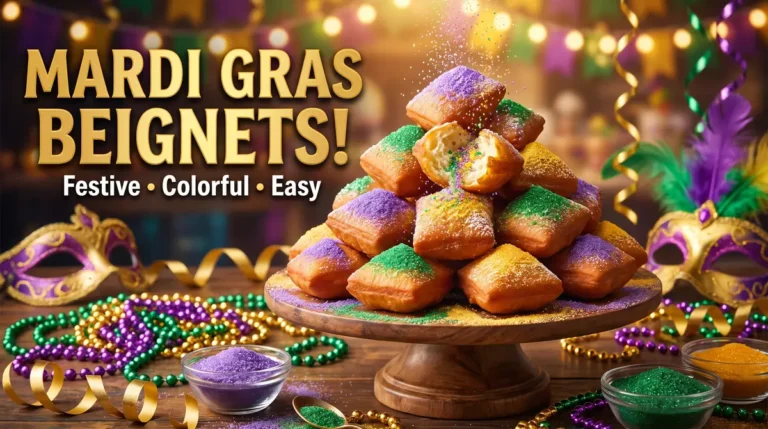
New Orleans-style beignets are most recognizable as square pieces of fried dough, served warm and heavily dusted with powdered sugar. Their shape and serving style make them feel like a café pastry made for eating right away.
Zeppole come from Italian pastry traditions, with much more variation in the dough and presentation. Small zeppole fritters can resemble round beignet bites, while zeppole di San Giuseppe may be piped choux rings topped with custard.
The practical differences are:
- Shape: New Orleans beignets are usually square; zeppole can be round bites or pastry rings.
- Dough: Many familiar New Orleans beignets use yeast dough; some zeppole styles use choux or other doughs.
- Toppings: Beignets commonly get a thick dusting of powdered sugar; zeppole may have sugar alone or custard and cherries.
- Occasion: New Orleans beignets are an everyday café staple; certain zeppole varieties are associated with St. Joseph’s Day.
Neither is a single fixed recipe across every region. You’ll find sweet and savory beignets, and more than one kind of zeppola.
Are Beignets and Donuts the Same Thing?
They’re related, not identical. Both can be fried sweet dough, and a New Orleans beignet is sometimes described as a donut without a hole. But a typical beignet is square, served hot, and coated in powdered sugar rather than glazed.
The word donut covers a wider range, including yeast-raised rings, jelly-filled rounds, and cake donuts. So a beignet may resemble one style of donut while differing considerably from another.
Don’t judge them only by size or softness. Shape, whether the dough is filled, and how the pastry is finished are usually more helpful identifying clues.
If you’d like to try a homemade version, start with our crispy air fryer beignets recipe. For beignets with fillings, we also have cream, jam, and chocolate filling ideas.
How Do Their Doughs, Fillings, and Textures Compare?
Understanding the dough clears up much of the confusion:
| Dough or method | Where it is used and what to expect |
|---|---|
| Yeast-raised dough | Where you may see it: New Orleans-style beignets, yeast donuts, bomboloni What to expect: A risen, soft interior; texture varies with formula and cooking |
| Cake-style batter or dough | Where you may see it: Cake donuts What to expect: A closer, cake-like crumb rather than the stretch of yeast dough |
| Choux pastry | Where you may see it: Zeppole di San Giuseppe and some other pastries What to expect: A light shell that can hold or support pastry cream |
| Other fried-dough mixtures | Where you may see it: Small zeppole fritters and regional specialties What to expect: Texture and shape vary by ingredients and method |
Fillings are not a foolproof identifier. Bomboloni are frequently filled, but so are some donuts and beignets. Some zeppole have custard piped on top rather than concealed inside.
There’s also no reliable universal calorie winner between these four pastries. Portion size, dough, absorbed oil, powdered sugar, glaze, and fillings all matter. An unfilled pastry isn’t automatically lighter in calories than a filled one without comparing the actual recipes.
Can You Make Beignets, Donuts, Zeppole, and Bomboloni in an Air Fryer?
You can make air-fryer adaptations of several styles, but hot air does not recreate deep-fried pastry exactly. The classic golden crust and fried flavor come from cooking in oil, so an air-fried version may be paler, less crisp, or more bread-like.
Here’s how to approach each one:
| Pastry | Air-fryer approach and cautions |
|---|---|
| Beignets | What works as an air-fryer project: A recipe specifically developed for the air fryer What to watch for: May not puff or brown like traditional deep-fried beignets |
| Yeast donuts | What works as an air-fryer project: A well-proofed yeast-dough adaptation What to watch for: Often more like glazed or sugared bread than a fried donut |
| Zeppole | What works as an air-fryer project: Depends on the variety; some choux versions are better suited to baking What to watch for: Don’t assume a fried-dough-ball recipe works for custard-topped choux zeppole |
| Bomboloni | What works as an air-fryer project: Yeast-raised rounds cooked first, then filled What to watch for: Under-proofing or overcooking can make the crumb dense |
For a closer look at the texture trade-offs, read air fryer beignets vs deep-fried beignets. This comparison article focuses on what the pastries are, while the recipe guides cover exact ingredients and cook times.
Which Pastry Should You Choose?
The best choice depends on the dessert you’re craving, not on which pastry has the fanciest name.
- Choose beignets if you want warm, powdered-sugar-covered café pastries with a simple, usually unfilled center.
- Choose bomboloni if your main goal is a soft, sugar-coated yeast doughnut with cream, jam, or chocolate filling.
- Choose small zeppole fritters if you want Italian-style sweet fried-dough bites. For custard and cherries, look specifically for zeppole di San Giuseppe.
- Choose donuts if you want the most variety—glazed rings, filled yeast rounds, or denser cake-style options.
For beginners using an air fryer, a recipe designed around ready-made biscuit dough or an air-fryer-specific beignet method may be simpler than mixing, proofing, and filling traditional bomboloni. If you want the classic bakery texture, expect deep frying to produce a different result.
Frequently Asked Questions
Are Bomboloni Always Filled?
No. Bomboloni are commonly filled with cream, jam, or chocolate, but plain sugar-coated versions also exist. Shape and yeast-raised dough are useful clues; filling alone does not define every bombolone.
Are Zeppole Always Round and Unfilled?
No. Small fried zeppole can be irregular and plain, while zeppole di San Giuseppe are often shaped as larger rings and decorated with pastry cream and cherries. Recipes vary across Italy.
Are Beignets Just Square Donuts?
That’s a helpful shorthand for New Orleans-style beignets, but it doesn’t tell the whole story. Beignets are traditionally associated with French pastry and often served very hot under powdered sugar. Donuts include yeast-raised, filled, and cake-style versions.
What Is the Difference Between Zeppole and Zeppole di San Giuseppe?
Zeppole is a broader term. Zeppole di San Giuseppe are a particular celebratory pastry, commonly made from choux dough and topped with custard and cherries for St. Joseph’s Day.
Which Pastry Is Easiest to Make in an Air Fryer?
It depends on the dough. A shortcut beignet or biscuit-dough donut recipe usually avoids the proofing and filling needed for traditional bomboloni. Choux-based zeppole involve a different process altogether, so choose a method written for that exact pastry.
The Bottom Line
Beignets are best known as square powdered-sugar pastries; bomboloni are soft Italian yeast doughnuts often filled with cream; donuts can be yeast-raised or cake-style; and zeppole cover several Italian pastry traditions. Once you compare the dough, shape, and filling—not just the name—the differences are much easier to spot.