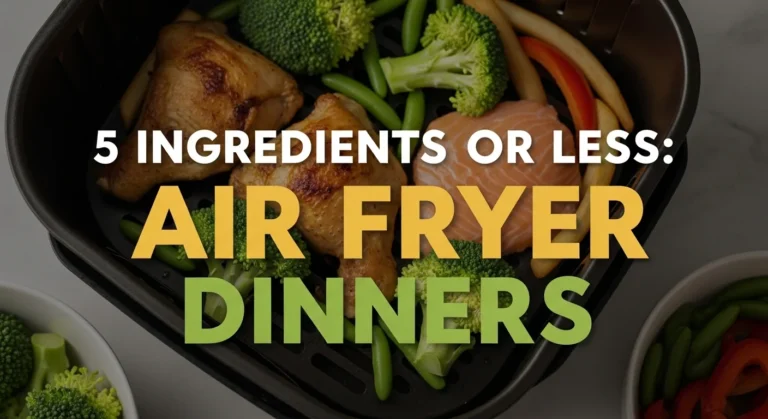
Healthy Air Fryer Recipes Made Easy

A healthy air fryer is a kitchen appliance that cooks food with little to no oil, making meals lighter than traditional frying. It uses hot air circulation to crisp foods like chicken, fries, or vegetables while reducing fat and calories. Many people choose it for quick, convenient, and healthier home cooking.
1. Introduction
Healthy air fryer cooking means enjoying the crunch and flavor of fried foods with far less oil. Instead of soaking food in grease, this appliance uses powerful air circulation to create a crispy layer while keeping the inside moist. The result is food that feels indulgent but fits better into a balanced lifestyle.
Many people choose air fryers because they solve everyday kitchen problems. They cook faster than traditional ovens, require little oil compared with deep fryers, and are simple to clean. For busy families, it’s also a way to get dinner on the table quickly without sacrificing taste or health.
This article will walk you through how an air fryer works, why it can be a healthier choice, and which recipes and techniques deliver the best results. By the end, you’ll have practical tips and meal ideas you can use right away.
2. How an Air Fryer Works
An air fryer is often compared to a mini convection oven. Instead of oil doing the work, a built-in fan pushes hot air around the basket at high speed. This rapid circulation cooks food evenly and creates a crispy outer layer with only a small drizzle of oil, sometimes just a teaspoon.
The process is simple but powerful. Moisture on the surface of food evaporates quickly in the dry heat, leaving behind that crunchy bite people expect from fried dishes. Inside, the food stays tender and juicy. For comparison, a serving of deep-fried potatoes can pack more than twice the calories and three times the fat of air-fried potatoes made with just a light spray of oil.
Key details worth noting:
- Oil use: 1–2 teaspoons for most foods
- Cooking time: usually 15–20 minutes for popular recipes
- Energy efficiency: preheats faster and uses less electricity than a full oven
Because of this setup, air fryers have become a favorite for anyone looking to cut calories without giving up the texture and flavor that makes fried food so appealing.
3. Health Benefits and Nutritional Effects
Air frying has gained attention because it delivers the taste of fried food with a lighter nutritional profile. By swapping out cups of oil for just a teaspoon or two, you can cut fat by as much as 70 to 80 percent compared with deep frying. That drop in fat also means fewer calories, which is helpful for people trying to manage weight.
Another benefit comes from reduced exposure to harmful compounds. When starchy foods like potatoes are fried in oil at high heat, they can form acrylamide, a chemical linked to health risks. Air frying uses lower temperatures and shorter cooking times, which keeps levels much lower.
Of course, not every air-fried dish is automatically healthy. Frozen breaded snacks still come with added sodium and processed ingredients. The real nutritional wins show up when you air fry fresh vegetables, lean proteins, or homemade versions of your favorite sides.
Here’s a quick snapshot:
- Calorie reduction: fries made in an air fryer average 150–200 calories per serving, compared with 300–400 for deep-fried versions
- Fat content: often less than 8 grams per serving, while deep frying can double or triple that number
- Flexibility: works with low-carb, gluten-free, and plant-based diets with the right ingredients
Healthy air fryer cooking is less about restriction and more about making smarter swaps that taste just as satisfying.

4. Choosing the Right Ingredients and Oils
The air fryer is only as healthy as what you put inside it. Whole foods like fresh vegetables, lean cuts of meat, and unprocessed proteins give you the biggest nutritional payoff. Frozen snacks can still be cooked, but they often come with extra salt, preservatives, and coatings that reduce the health benefits.
When it comes to oils, the air fryer does not need much. A light spray or brush is usually enough to boost browning and prevent sticking. Oils with higher smoke points, such as avocado, grapeseed, or canola, handle the heat well. Olive oil also works nicely for roasting vegetables but is better applied in small amounts.
A few quick pointers:
- Use whole ingredients when possible
- Keep oil between 1–2 teaspoons per batch
- Experiment with seasonings, herbs, and spices to replace heavy breading or sauces
These small choices make a noticeable difference in calories, flavor, and overall health.
5. Healthy Air Fryer Meal Ideas
Healthy Air Fryer Recipes (Main Keyword in H3)
Cooking healthy meals in an air fryer can be both simple and versatile. You are not limited to fries or nuggets. With the right approach, it can handle everything from quick sides to complete dinners.
Some family-friendly and lighter options include:
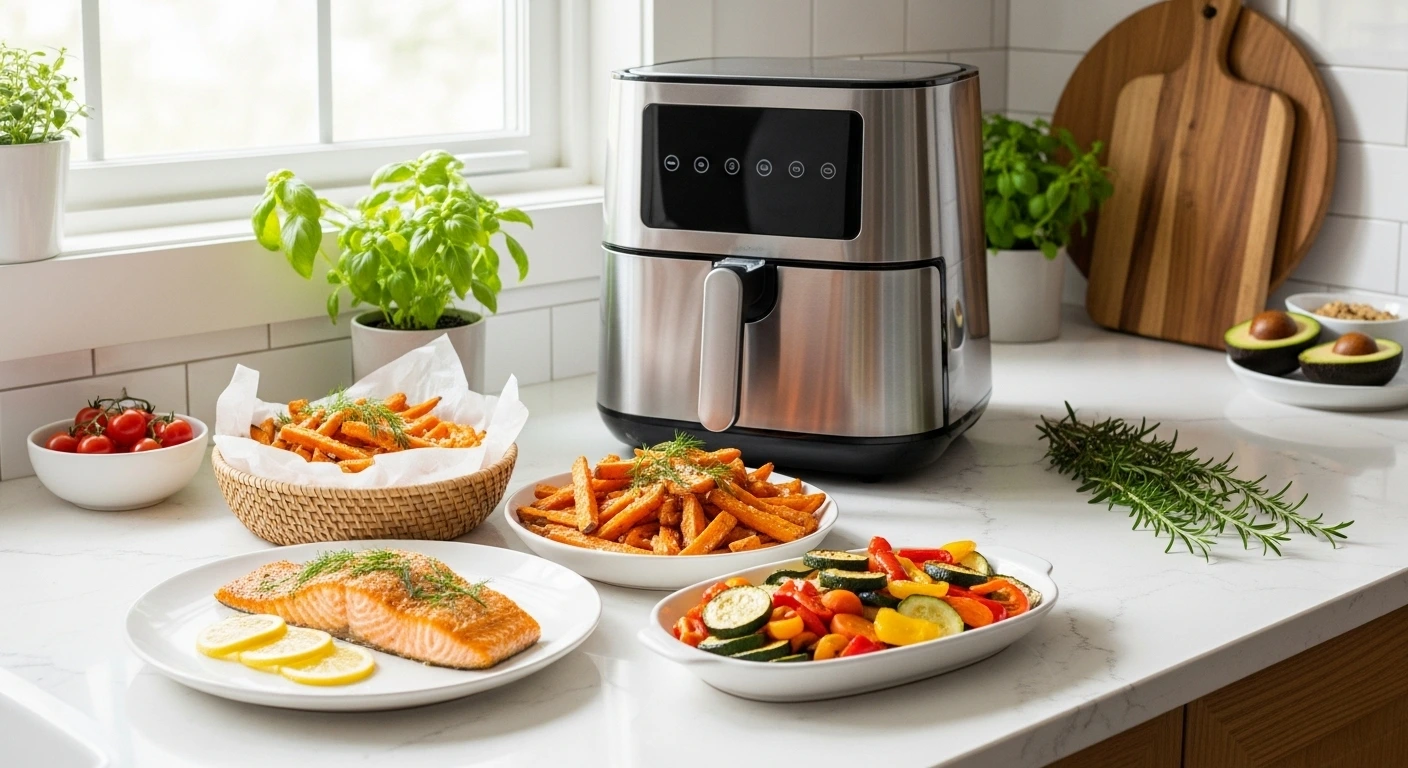
- Vegetables: Brussels sprouts, zucchini chips, sweet potato wedges
- Proteins: Chicken breast, salmon fillets, tofu cubes
- Snacks: Crispy chickpeas, apple chips, homemade tortilla crisps
- Desserts: Baked apples, banana bites with a dusting of cinnamon
Most of these recipes finish in under 20 minutes, making them perfect for busy nights. Since you only need a small amount of oil, the calorie savings add up fast. Plus, kids tend to enjoy the crispy texture, which makes healthy eating a little easier for the whole family.

6. Best Practices and Tips for Healthy Results
Getting the most out of your air fryer comes down to a few simple habits. Crowding the basket is the most common mistake. When food sits too close together, hot air cannot circulate, which leads to soggy spots instead of a crisp finish. Spacing items apart and shaking the basket halfway through solves that problem.
Temperature control also matters. Most vegetables cook well at 375°F, while proteins like chicken often need 390–400°F for proper browning. Using parchment liners or silicone mats can prevent sticking without adding extra oil, but avoid covering the entire basket since airflow is essential.
A few more tips:
- Preheat for 3–5 minutes for even results
- Flip or shake halfway through to promote browning
- Clean the basket after each use to prevent lingering flavors and smoke
When these steps become routine, you get healthier meals that look and taste like the real deal.
7. Comparisons and Trade-Offs
Air fryers are often stacked against ovens and deep fryers, each with their own pros and cons. Ovens are great for large batches but take longer to preheat and cook. Deep fryers deliver unmatched crunch but with heavy oil use and high calorie counts. The air fryer fits in the middle, balancing crispiness, speed, and reduced fat.
Quick comparison:
| Cooking Method | Time | Oil Use | Texture | Calories |
|---|---|---|---|---|
| Air Fryer | 15–20 min | 1–2 tsp | Crispy outside, tender inside | 30–70% fewer than frying |
| Oven | 25–40 min | 1–3 tbsp | Roasted, less crisp | Moderate |
| Deep Fryer | 10–15 min | 1–2 cups | Very crispy, greasy | Highest |
There are trade-offs. Air fryers have smaller capacity, which may not work well for large gatherings. Still, for everyday meals, they hit the sweet spot between convenience and health.

8. Common Mistakes and Pitfalls
Even with a handy appliance, it is easy to trip up. One frequent error is using too much oil, which cancels out the calorie savings. Another is relying only on frozen breaded foods, which may be convenient but are often loaded with sodium.
Other pitfalls to avoid:
- Cooking wet batters that drip through the basket
- Ignoring capacity limits and stacking food too high
- Overcooking delicate items like fish at high heat
- Skipping regular cleaning, which can lead to lingering odors and uneven cooking
Learning these lessons early makes a big difference. With small adjustments, your air fryer becomes more than just a trend. It turns into a reliable tool for creating lighter, tastier meals every day.
FAQs
More Relevant Fryer Bites Posts
These related recipes and meal guides may also help: