
Family Dinner Ideas for Different Tastes: One Meal, Flexible Plates

It’s dinner time, and one person wants plain pasta, another likes spicy food, and someone else doesn’t want their vegetables mixed in. You don’t need three separate dinners to make that work. Start with one shared meal, then let each person choose from a few toppings, sauces, or sides.
These family dinner ideas for different tastes use ordinary groceries and simple cooking methods. Below you’ll find five flexible meals, a worked example that turns one rice-bowl dinner into four plates, and a Food Preference Map you can fill in before shopping. The goal isn’t to guarantee everyone will eat everything. It’s to make one reasonable family meal easier to serve without turning dinner into an argument.
How Can You Make One Dinner When Everyone Likes Different Foods?
Think in three parts: shared base, optional additions, and one familiar side. The shared base might be rice, tortillas, pasta, or properly cooked chicken. Optional additions are the items people disagree about—hot sauce, cheese, onions, mixed vegetables, or a particular dressing. The familiar side could be fruit, bread, plain rice, or another food that usually works for your household.
For example, make a pot of rice, warm cooked beans, and prepare cooked chicken. Place the vegetables and sauces in small bowls. One person can have rice and chicken, another can build a bean bowl, and someone who likes stronger flavors can add salsa and peppers. You’re changing the plate, not repeating the whole cooking process.
This approach works best when the main ingredients are safe and suitable for everyone eating them. Food allergies and medical diets are different from ordinary preferences; they may require separate ingredients, tools, or preparation. We’ll cover those precautions below.

Which Family Dinner Ideas Are Easiest to Customize?
Start with a dinner you can assemble in portions. These are meal frameworks rather than tested, minute-by-minute recipes. The time needed depends on whether your protein is already cooked, the ingredients are prepared, and the portions fit your pan or oven.
| Dinner | Shared base | Keep separate | Shortcut that helps |
|---|---|---|---|
| Tacos or wraps | Tortillas, warm beans or cooked protein | Salsa, cheese, lettuce, hot sauce | Use canned beans or safely stored cooked chicken |
| Pasta | Cooked pasta | Tomato sauce, pesto, vegetables, cheese | Use a quick-cooking pasta shape |
| Sheet-pan chicken | Properly cooked chicken and vegetables | Dips, sauces, optional sides | Choose smaller, evenly sized pieces and tender vegetables |
| Flatbread pizza | Flatbread, pizza sauce, cheese if suitable | Toppings and seasonings | Use precooked toppings, not raw meat |
| Rice bowls | Ready-to-eat rice, warm beans or cooked protein | Vegetables, dressing, spice | Use freshly heated ready-rice and drained canned beans |
Build-Your-Own Taco and Wrap Night
Warm tortillas, heat a filling such as canned black beans or previously cooked chicken, and put out a few toppings. Keep chopped lettuce, tomato, mild salsa, shredded cheese, and spicy sauce separate. That way, someone can make a plain chicken wrap while another builds a taco with beans, vegetables, and extra heat.
Make it easier: Choose two or three toppings people actually use. Ten topping bowls can create more work than the dinner itself. If you’re cooking raw chicken or ground meat, allow enough time for safe cooking instead of treating a short assembly time as the full recipe time. For another method, see our air fryer chicken fajitas guide.

Pasta With Separate Sauces and Toppings
Cook the pasta in one pot, then save a small portion plain before combining the rest with sauce. Warm a simple tomato sauce separately and offer grated cheese, cooked vegetables, or pesto on the side. You can serve the same pasta three ways without making three separate pots.
Make it easier: Pick one main sauce and one optional finishing sauce. If you’re using pesto, check its ingredients if anyone has a nut or dairy allergy. When serving young children, avoid assuming that hiding vegetables in sauce will solve a preference problem; offering some vegetables visibly and separately can keep the choice more transparent.
Sheet-Pan Chicken With Mix-and-Match Sides
Arrange evenly sized chicken pieces and suitable quick-cooking vegetables on a sheet pan with enough room for heat to circulate. Keep the seasonings mild on the shared portion, then add lemon, herbs, or a stronger sauce after cooking. Serve the chicken with bread, prepared rice, or a familiar vegetable side depending on each person’s preferences.
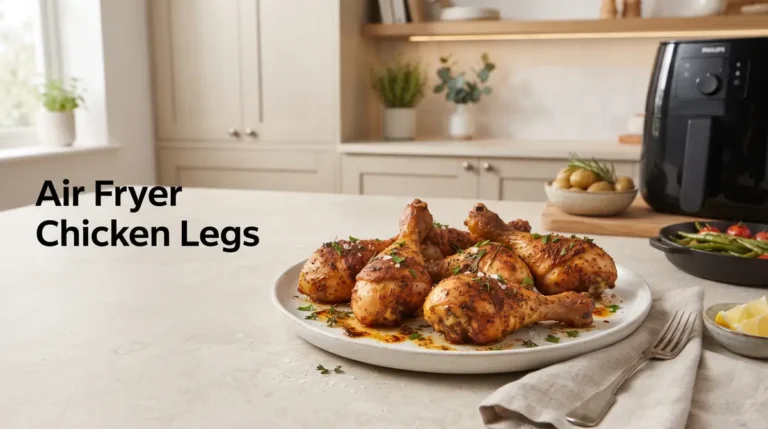
Make it easier: Use chicken tenderloins or smaller pieces rather than thick breasts, and choose vegetables that cook within a similar window. Chicken must reach 165°F (74°C) in the thickest part; a thermometer matters more than an estimated cooking time. Use the safe internal-temperature chart if you are cooking a different protein. Use the safe internal-temperature chart if you are cooking a different protein. Use the safe internal-temperature chart if you are cooking a different protein. Dense raw potatoes can take longer than the chicken, so use pre-cooked potatoes or a quick side if you’re short on time. See our air fryer chicken tenderloins method for another way to prepare a family protein.

Flatbread Pizza With Individual Toppings
Place several small flatbreads on baking trays. Spread a little tomato sauce and add cheese where wanted; leave one plain or use an appropriate alternative where needed. Let family members choose from chopped peppers, olives, cooked mushrooms, and fully cooked chicken or other precooked toppings. Bake until the bases are hot and crisp and the toppings are heated through.
Make it easier: Prepare one small bowl of each topping rather than making different doughs or sauces. If the oven can’t fit every pizza at once, remember that a second batch increases the total time. Handle any allergy-safe flatbread with clean equipment and ingredients, not on a tray that has already been exposed to the allergen.
Rice Bowls With Different Proteins and Vegetables
Heat ready-to-eat rice according to its package directions, warm drained canned beans, and use properly cooked chicken or tofu if desired. Put cooked vegetables, cucumber, shredded lettuce, salsa, and sauces in separate bowls. Each person adds what suits them. For a quick meal, don’t start uncooked dry rice and raw chicken at the same time unless you’ve allowed for their full cooking and prep time.
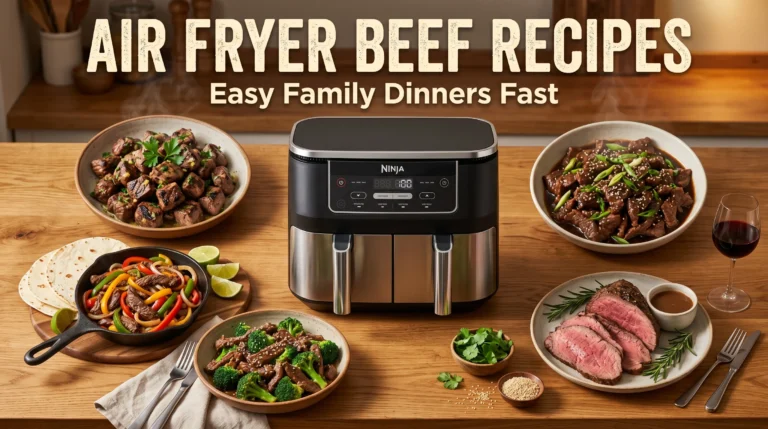
Make it easier: Choose just one cooked vegetable and one fresh topping. If you want more air fryer-specific meal ideas, our weeknight air fryer dinners guide explains how basket size and multiple batches affect dinner.
Which Ingredients Should You Keep Separate Until Serving?
Keep items separate when they change flavor or texture in a way that’s hard to reverse. A child who likes crunchy cucumber but dislikes warm cucumber may enjoy the same bowl as everyone else if the cucumber goes on at the table.
| Keep separate | Why it helps | Easy serving method |
|---|---|---|
| Hot sauce, chili flakes, strong dressings | Lets people control heat and intensity | Put a small amount in a separate bowl with its own spoon |
| Cooked and raw vegetables | Preserves different textures | Put cooked vegetables on a platter and fresh toppings in a bowl |
| Cheese or creamy sauces | Not everyone wants them; some need to avoid them | Add after the shared base is served |
| Crunchy toppings | Prevents sogginess | Sprinkle just before eating |
| Mixed sauces | Makes plain portions possible | Sauce individual servings rather than the whole pot |
Don’t keep food out indefinitely while everyone decides. Serve perishable foods promptly, and refrigerate leftovers within the safe window. When you can, move serving bowls back to the kitchen rather than letting them sit on the table throughout a long evening.
How Do You Turn One Main Dish Into Different Family Plates?
Here’s a practical four-plate rice-bowl example. It is a planning example, not a claim that every family needs the same portions. For four people, you might start with about 3–4 cups of cooked rice, a drained 15-ounce can of beans, 1–2 cups of ready-to-eat vegetables, and enough fully cooked chicken or an additional bean portion for the people who want it. Adjust quantities for age, appetite, and what’s already in your kitchen.
- Prepare the shared base: Heat the rice according to its directions and warm the beans. Keep hot foods hot while you finish assembly.
- Set up two protein options: Serve the beans in one bowl and the safely cooked chicken in another, with separate utensils.
- Put flavors on the side: Offer one mild sauce, one spicy sauce, and a vegetable topping without mixing them into the rice.
- Build the plates: Use the combinations below, adjusting portions to each person’s appetite.
| Plate | What goes on it | What stays optional |
|---|---|---|
| A — Plain and separate | Rice, chicken, familiar vegetable served alongside | Sauce and mixed toppings |
| B — Mild and mixed | Rice, beans, cooked vegetables, mild salsa | Cheese or fresh herbs |
| C — Extra flavor | Rice, chicken or beans, vegetables | Chili sauce and spicy toppings |
| D — Meat-free | Rice, beans, vegetables | Lime, herbs, cheese if suitable |
Notice what you didn’t do: cook four entrées. All four plates start from one rice-and-beans setup. A person who doesn’t want mixed food can keep components apart. Someone who doesn’t eat meat can choose beans. If a household member has an allergy, however, use a medically appropriate ingredient plan and prevent cross-contact; separate serving bowls alone may not be sufficient.
This example also gives you a quick test for other dinners: Can you separate the base, protein, vegetables, and seasoning before serving? If yes, it may be a good candidate for flexible family plates.
How Do You Choose Dinner Without a Long Family Debate?
Start with what the kitchen can actually make. Check the ingredients, time, and dietary needs first. Then offer a choice between two workable dinners, such as tacos or pasta, instead of asking everyone to name anything they want.
Try this short routine before shopping or cooking:
- Choose the shared base you already have: rice, pasta, tortillas, or flatbread.
- Ask each person for one preference, not a complete custom menu: plain sauce, no onions, extra vegetables, or a familiar side.
- Choose up to two toppings or sauces that can be served separately.
- Decide on one meal and write down the optional additions. Revisit a different favorite on another night.
When someone asks for a completely different dinner, you can acknowledge the preference without immediately cooking a new main dish: “We’re having pasta tonight. Would you like the sauce on top or on the side?” The aim is to offer meaningful choices inside a manageable dinner plan, not to force everyone to agree on every bite.
For planning meals over several evenings rather than choosing tonight’s dinner, our family dinner planner and ideas can help organize a broader rotation.
What Should You Do When Someone Doesn’t Want the Dinner You’ve Prepared?
First, separate a food preference from a real barrier such as an allergy, swallowing difficulty, or another medical restriction. Never pressure someone to eat a food that isn’t safe for them.
For ordinary pickiness, a calmer approach is usually more useful than bargaining over bites. Offer the shared meal with at least one familiar, suitable food. Let children decide whether and how much to eat from what’s offered, without turning dessert or screen time into a reward for finishing dinner. You can introduce unfamiliar foods again at future meals without making tonight’s dinner a test. This approach is consistent with pediatric guidance on picky eating.
For example, if tonight’s meal is chicken and vegetable tacos, a child might choose a plain tortilla, chicken, and a familiar side while the adults add salsa and peppers. That’s still a version of the same dinner. If a child’s eating is persistently very limited, affects growth, or causes significant distress, speak with their pediatrician rather than relying on meal customization alone.
For more focused meal ideas, see our 30-minute meals for selective eaters.
How Do You Handle Food Preferences Versus Dietary Restrictions?
Preferences are choices such as “I don’t like spicy food” or “I prefer vegetables on the side.” These can often be managed with optional ingredients. Allergies, celiac disease, and medically required diets may make a shared base or shared equipment unsafe.
If someone has a food allergy, read ingredient labels each time, including sauces and seasoning mixes. Keep allergen-containing ingredients and utensils away from the person’s food. Prepare the safe food with clean hands and thoroughly washed surfaces and tools; use dedicated equipment when needed. Never assume you can make a contaminated serving safe by picking off the topping. See this home guide to preventing allergen cross-contact, and follow the person’s medical allergy plan.
The same logic applies to dietary restrictions that need strict handling: don’t label a plate “safe” just because the visible topping is absent. Confirm the ingredients and preparation method first. When there is no safe shared base, make the appropriate safe component separately instead of forcing the one-meal system to work.
How Can You Reuse Dinner Ingredients Without Repeating the Same Meal?
Reuse components, not necessarily the finished dish. The tortillas from taco night can become air fryer quesadillas; cooked beans can go into tomorrow’s rice bowl; washed vegetables can accompany sandwiches or pasta. Changing the sauce and assembly is often enough to make the second meal feel different.
| Ingredient prepared today | Another way to serve it | Storage reminder |
|---|---|---|
| Properly cooked chicken | Tacos tonight, rice bowl tomorrow | Refrigerate promptly in shallow containers |
| Cooked beans | Wrap filling, then pasta or rice-bowl topping | Refrigerate unused cooked portions |
| Washed vegetables | Taco topping, then a side salad | Store appropriately and keep away from raw meat |
| Cooked pasta | Plain portion tonight, sauced lunch tomorrow | Chill promptly; reheat when appropriate |
For safety, put perishable leftovers into shallow containers and refrigerate within 2 hours of preparation or service, or 1 hour when the surrounding temperature is above 90°F (32°C). Use refrigerated cooked leftovers within 3–4 days, or freeze for longer storage; reheat leftovers to 165°F (74°C). See official leftover-storage guidance. Don’t assume a Monday-cooked meal will still be appropriate as a refrigerated Friday dinner.
Bonus Value — The One-Meal, Four-Plates Family Dinner Builder
Use this card when you know everyone wants something different but you still need to cook once. It works for rice bowls, tacos, pasta, and flatbread, provided the ingredients are safe for everyone who will share them.
Step 1: Choose one base. Pick a food that most people can use: tortillas, rice, pasta, or another suitable option.
Step 2: Choose one or two protein options. Examples are safely cooked chicken and beans. You don’t need to prepare several raw proteins unless a real dietary requirement makes that necessary.
Step 3: Choose one vegetable and two optional finishes. For example, cooked peppers, mild salsa, and hot sauce. Keep different textures and stronger flavors separate.
Step 4: Assemble four plates from the same setup. Use plain, mild, extra-flavor, and meat-free combinations as a starting point; adjust them to actual household preferences. Nobody has to select the same options.
Step 5: Check for the exception. If an allergy or medically required restriction means the base or equipment isn’t safe, do not treat a separate topping bowl as a solution. Prepare a genuinely suitable meal component using appropriate safeguards.
Family Food Preference Map — Fill This In Before Shopping
| Person or plate | Familiar base | Foods to keep separate | One suitable addition | Important safety need |
|---|---|---|---|---|
| Plate 1 | ______ | ______ | ______ | ______ |
| Plate 2 | ______ | ______ | ______ | ______ |
| Plate 3 | ______ | ______ | ______ | ______ |
| Plate 4 | ______ | ______ | ______ | ______ |
Two-minute decision rule: Look down the “familiar base” column. If at least most plates can share rice, tortillas, or pasta, use that base and offer variations. If there is no common suitable base, choose a different dinner or plan a separate safe component. Shopping becomes easier when you buy one shared base and only the additions that people will actually use.
You can save or print this table and change it as preferences change. It isn’t a nutrition assessment or an allergy-safety checklist; it’s a quick tool for organizing the dinner you already know how to cook.
Frequently Asked Questions About Family Dinners for Different Tastes
What are the easiest meals when everyone likes different foods?
Taco bars, rice bowls, pasta with sauce served separately, and individual flatbread pizzas are flexible because they start with a common base. Choose the one that suits your ingredients and the number of portions you need.
Can you make one dinner for adults and children?
Yes, when the food and preparation are suitable for everyone. Keep spice levels mild in the shared dish and let adults add stronger flavors at the table. Serve age-appropriate portions and textures for children, taking choking hazards and individual dietary needs into account.
What if someone doesn’t like mixed foods?
Set aside a plain portion before mixing in sauce or vegetables. A divided plate or separate side bowls can keep textures apart without requiring a different main dish.
How do you avoid cooking two separate dinners?
Choose a shared base, make one or two suitable protein options, and vary the toppings instead of cooking entirely different entrées. When an allergy or another medical restriction requires separate preparation, safety comes before the one-dinner goal.
How can you keep flexible family dinners on a budget?
Start with staples you already use—rice, pasta, tortillas, canned beans, and seasonal or frozen vegetables—then buy only two or three additions that suit your household. Optional toppings are useful only if people will actually eat them.
Dinner doesn’t have to look identical on every plate to count as one family meal. A shared base, a few sensible options, and a plan for genuine dietary needs can make the evening more manageable without promising that everyone will love every bite.