Best Winter Vegetables and Sides to Make in an Air Fryer

Winter sides can make or break a meal. Boiled veggies feel bland, oven roasting takes forever, and microwaving usually kills texture. That’s where the air fryer really shines in colder months.
Air fryers turn dense winter vegetables into crispy, caramelized sides that feel warm, filling, and intentional, without heating up your whole kitchen.
Why Winter Vegetables Behave Differently in an Air Fryer
Winter vegetables aren’t just “normal veggies in cold weather.” They’re structurally different.
Most winter vegetables:
- Have lower water content
- Are denser and starchier
- Hold heat longer once cooked
That’s exactly why the air fryer works better than steaming or microwaving. Instead of releasing moisture too fast, winter vegetables slowly soften inside while crisping on the outside.
This is also why winter sides feel more satisfying. They don’t collapse, and they don’t cool off instantly on the plate.
Oil Choices That Work Best for Winter Air Fryer Sides
One of the biggest reasons air fryer vegetables fail has nothing to do with seasoning.
It’s how they’re cut.
General rule:
- Thin slices dry out
- Medium chunks cook evenly
- Large pieces stay raw inside
Best winter cuts:
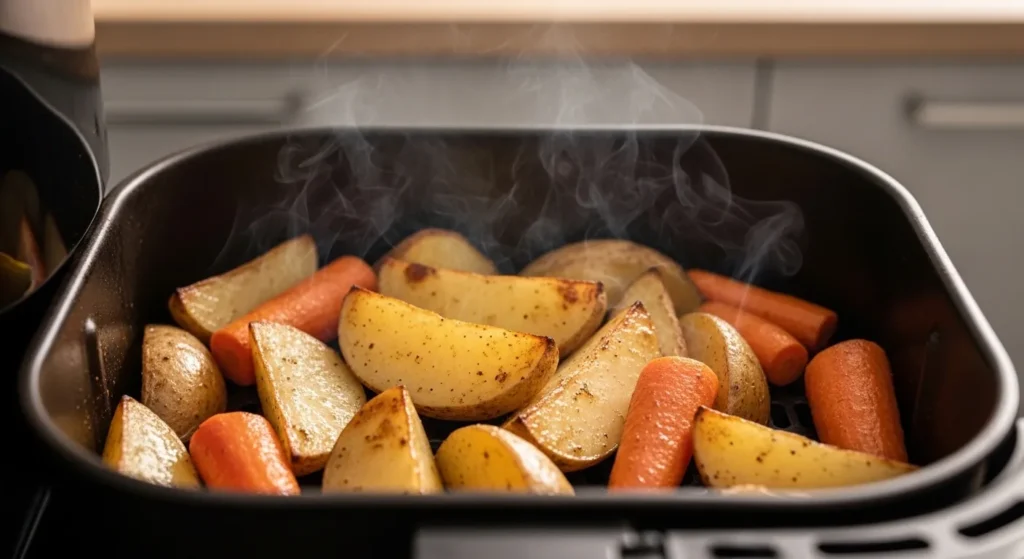
- Potatoes: ¾-inch cubes or wedges
- Carrots: halved lengthwise, then cut into chunks
- Brussels sprouts: halved, not shredded
- Squash: thick slices, not thin chips
Cutting for structure matters more in winter because vegetables don’t release moisture as quickly.
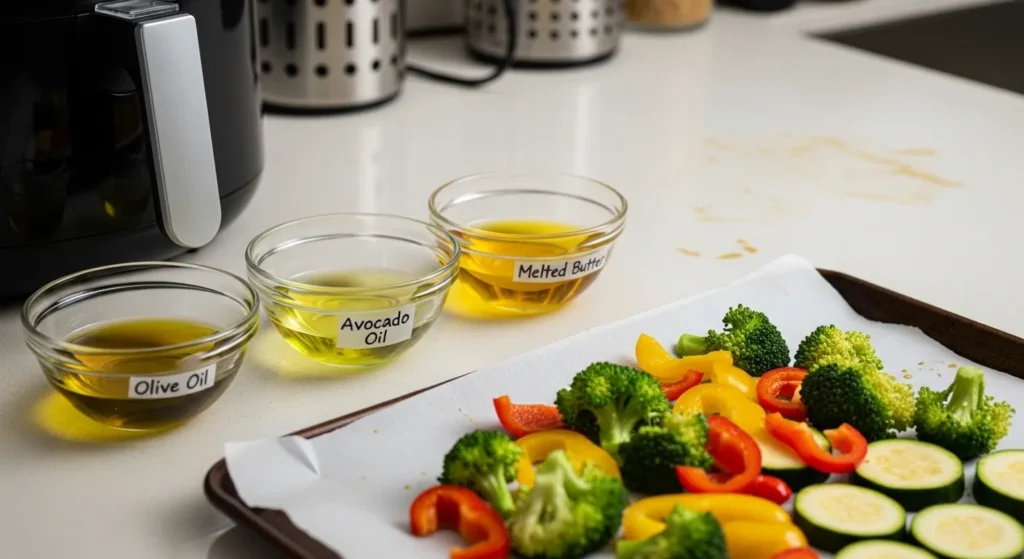
Oil Choices That Work Best for Winter Air Fryer Sides
Oil isn’t just about flavor in winter. It’s about protection.
Best oils for winter vegetables:
- Olive oil for most veggies
- Avocado oil for higher heat
- Butter or butter-oil blends for potatoes
What doesn’t work well:
- Very light sprays only
- No-fat cooking for dense vegetables
A light but complete coating keeps surfaces from drying before the inside cooks through.
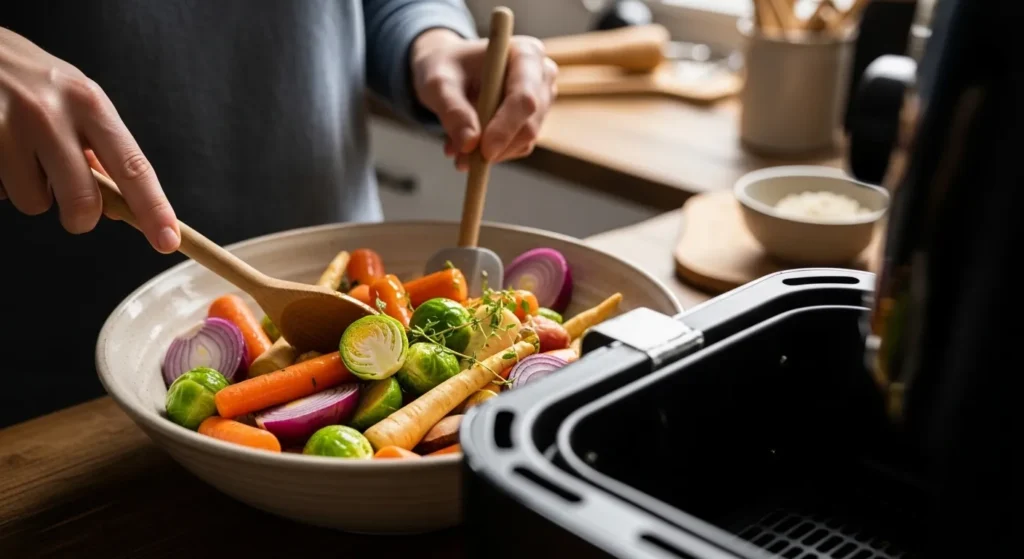
Seasoning Winter Vegetables Without Overpowering Them
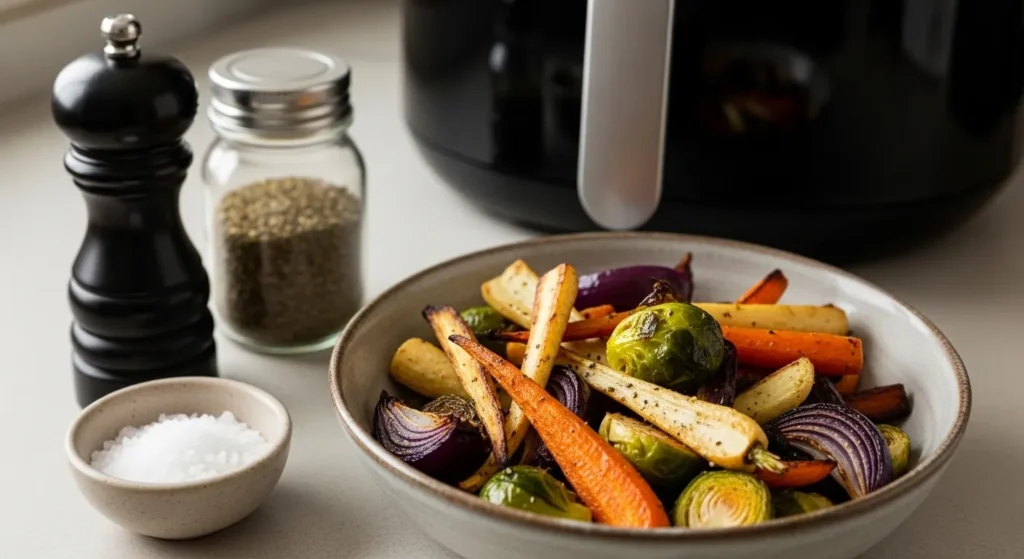
Winter vegetables already have deep, earthy flavor. Too much seasoning can fight that.
What works best:
- Salt before cooking
- Pepper after cooking
- Garlic, onion powder, or herbs in small amounts
What usually fails:
- Heavy sugar-based seasonings
- Wet marinades
- Thick sauces before air frying
If you want sauce, add it after cooking or during the final 2–3 minutes.
How Air Fryer Size Changes Winter Vegetable Results
This is something competitors almost never mention.
Small basket air fryers:
- Overcrowd easily
- Need smaller batches
- Benefit from shaking more often
Larger or oven-style air fryers:
- Handle root vegetables better
- Allow flatter layers
- Create more even browning
If winter vegetables feel inconsistent, capacity is often the hidden issue.
Winter Vegetables That Look Good but Don’t Air Fry Well
Not everything improves in the air fryer.
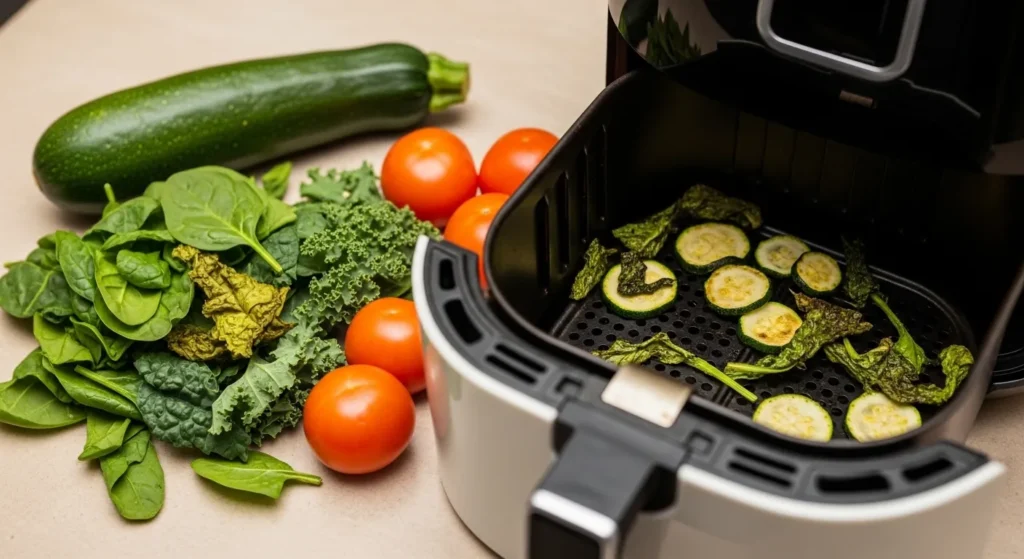
Vegetables that struggle in winter:
- Spinach and soft greens
- Tomatoes
- Very thin zucchini slices
These release moisture too fast and never crisp properly. Save them for soups or stovetop cooking instead.
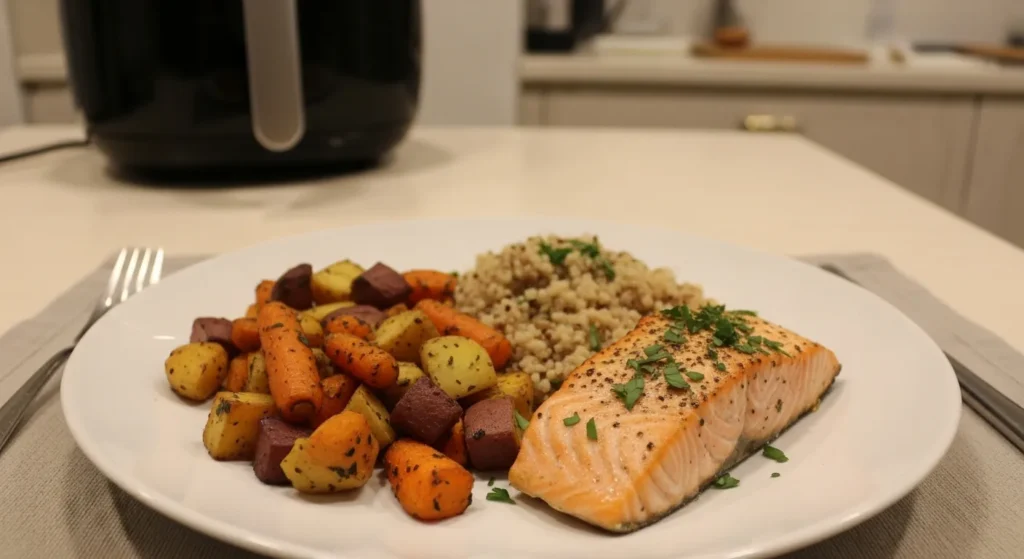
How to Turn Air Fryer Veggies Into a Full Winter Plate
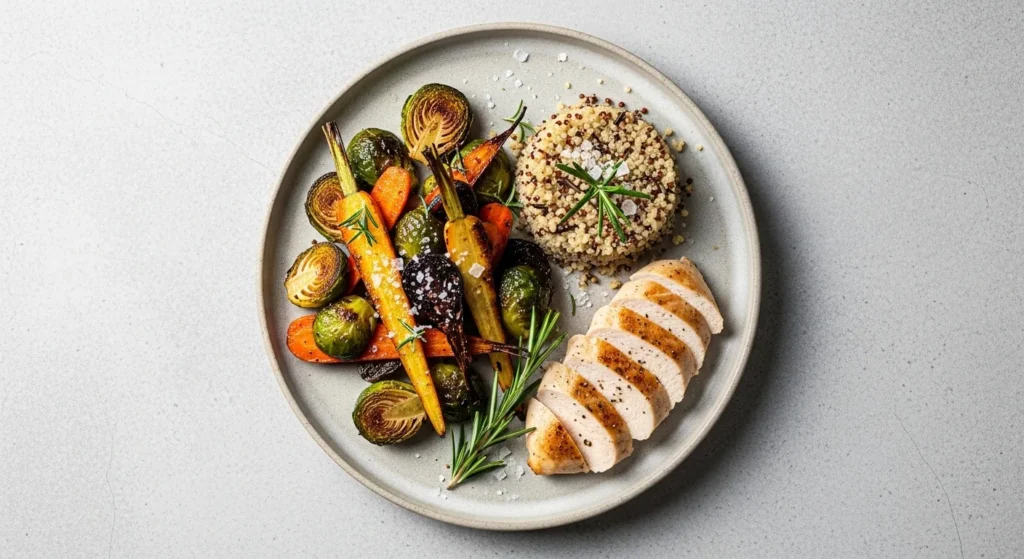
If vegetables don’t feel “enough,” it’s usually a balance issue.
Ways to make them satisfying:
- Pair with grains like rice or quinoa
- Add a protein on the side
- Use potatoes or squash as the base
This turns sides into intentional meals instead of filler.
When to Skip the Air Fryer in Winter
The air fryer is great, but it’s not magic.
Skip it when:
- You’re cooking soups or stews
- Vegetables need long braising
- You need deep moisture retention
Knowing when not to use it builds trust and authority.
Best Winter Vegetables to Cook in an Air Fryer
Potatoes and Sweet Potatoes
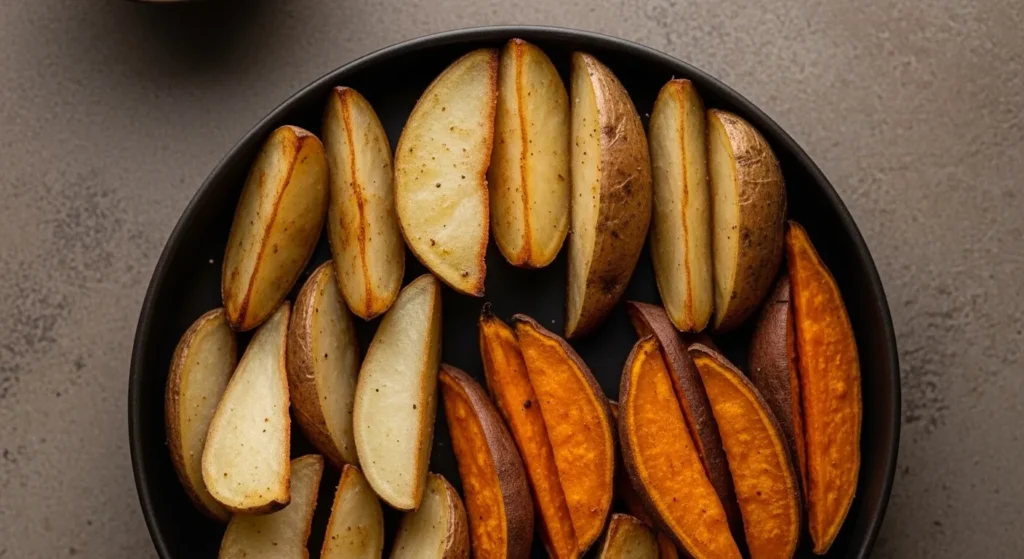
Potatoes are the most reliable winter side.
They:
- Crisp beautifully
- Reheat extremely well
- Feel more filling in cold weather
That’s why they dominate easy potato recipes in the air fryer year-round.
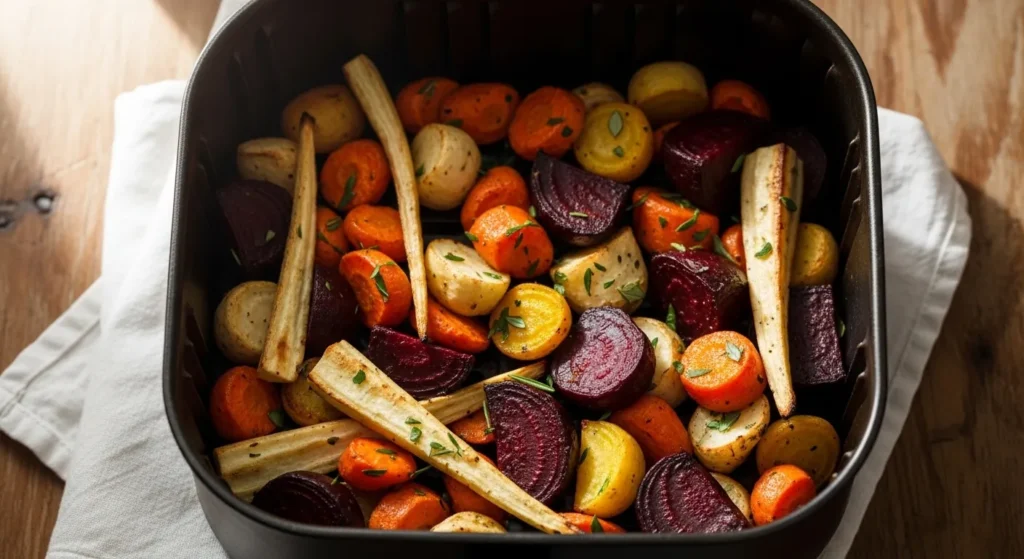
Root Vegetables
Carrots, parsnips, turnips, and beets all thrive in the air fryer.
Why they work:
- Dense texture holds moisture
- Natural sugars caramelize
- Flavor deepens instead of drying out
These pair especially well with hearty mains and grain bowls.
Bread and Comfort Sides
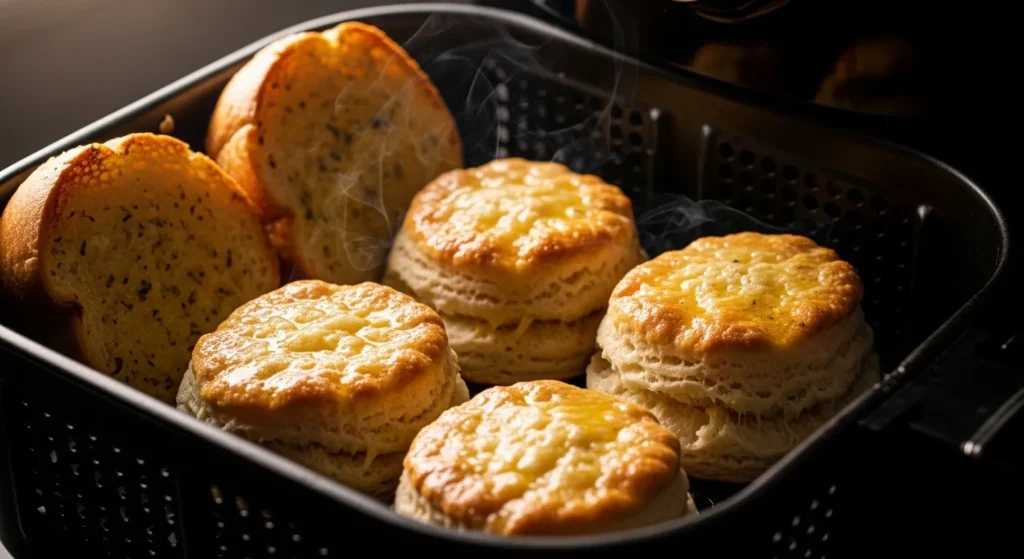
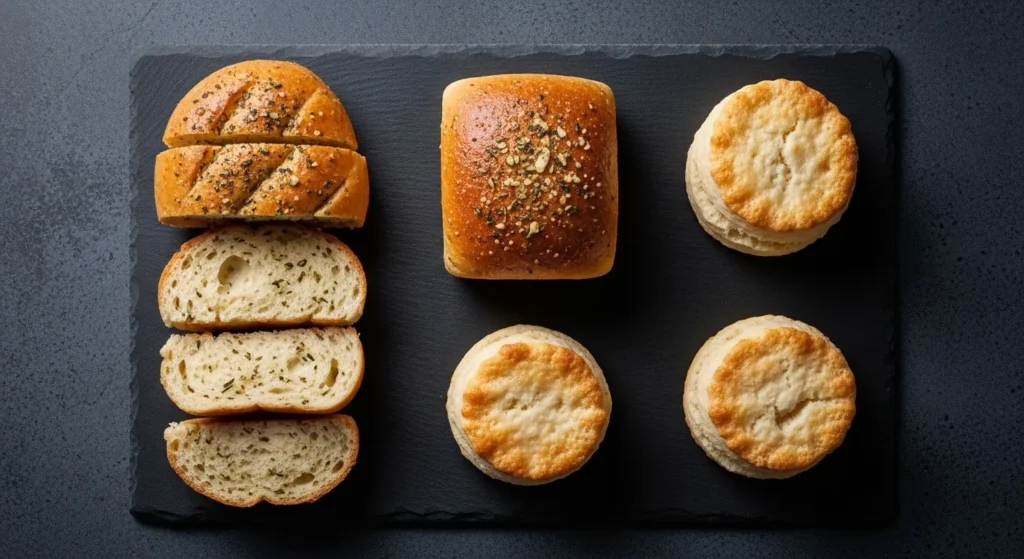
Air fryers handle winter comfort sides surprisingly well.
Great options:
- Garlic bread
- Rolls and biscuits
- Toasted flatbreads
They reheat far better than oven versions, similar to what you’ll find in garlic bread, rolls, and biscuits in the air fryer.
FAQs
What vegetables are best to cook in an air fryer during winter?
Potatoes, sweet potatoes, carrots, Brussels sprouts, broccoli, cauliflower, and other root vegetables work best because they’re dense and hold moisture.
Do winter vegetables need more oil in the air fryer?
Yes, a light but even coating of oil helps prevent drying and improves browning on thicker winter vegetables.
Can air fryer vegetable sides be reheated?
Most winter vegetables reheat very well in an air fryer and regain crisp edges better than in a microwave.
What temperature is best for air frying winter vegetables?
Most winter vegetables cook best between 350°F and 380°F to avoid burnt outsides and undercooked centers.
Are air fryer vegetable sides healthy?
Yes, they usually require less oil than roasting or frying while still delivering roasted flavor and texture.
Related Air Fryer Recipe
For another vegetable side with crisp edges and a roasted finish, try our Air Fryer Brussels Sprouts.